
Pregnancy Complications Treatment Pearland TX | Aether Health SilverLake ER
Pregnancy brings physical changes that can sometimes be accompanied by unexpected symptoms or medical complications. While some discomforts are part of a normal pregnancy, symptoms such as vaginal bleeding, severe abdominal pain, or difficulty breathing may signal a condition requiring immediate medical attention.
SilverLake ER provides 24/7 emergency evaluation for patients experiencing symptoms who need pregnancy complications treatment Pearland TX.
Experiencing severe pain, heavy bleeding, or another concerning pregnancy symptom? Seek emergency medical attention promptly.
When Should You Seek Emergency Care During Pregnancy?
Certain pregnancy symptoms should never be ignored. Some complications can develop suddenly and require immediate evaluation to protect the health of the pregnant patient.
Seek emergency care at SilverLake ER, if you experience:
- Heavy vaginal bleeding or bleeding accompanied by severe pain.
- Severe or persistent abdominal or pelvic pain.
- Severe headache, vision changes, or sudden swelling.
- Chest pain or difficulty breathing.
- Fainting, seizures, or sudden confusion.
- Fever accompanied by significant illness.
- Severe or persistent vomiting with signs of dehydration.
- Fluid leakage or contractions before the expected delivery date.
For pregnancy-specific concerns, including reduced fetal movement, contractions, or possible labor, contact your obstetrician or labor and delivery unit promptly. An emergency room can assess urgent maternal symptoms and help determine the appropriate next steps.

Common Pregnancy Complications That May Require Emergency Evaluation
Pregnancy complications can occur at different stages, from early pregnancy through the third trimester. Recognizing warning signs can help patients seek care before symptoms become more serious.
Ectopic Pregnancy
An ectopic pregnancy occurs when a fertilized egg implants outside the uterus, most commonly in a fallopian tube. Symptoms may include one-sided pelvic pain, vaginal bleeding, shoulder pain, dizziness, or fainting. A ruptured ectopic pregnancy can cause life-threatening internal bleeding and requires immediate emergency treatment.
Preeclampsia
Preeclampsia is a pregnancy-related condition involving high blood pressure and signs of possible organ involvement. It typically develops after 20 weeks of pregnancy but can also occur after delivery. Warning signs may include severe headaches, vision changes, upper abdominal pain, sudden swelling, and shortness of breath.
Vaginal Bleeding During Pregnancy
Bleeding during pregnancy can have several causes, some of which require urgent assessment. Heavy bleeding, severe abdominal pain, dizziness, or fainting may indicate a serious complication.
Severe Vomiting and Dehydration
Persistent vomiting can make it difficult to maintain adequate fluid intake. In some cases, severe pregnancy-related nausea and vomiting can lead to dehydration, electrolyte imbalances, and weakness that require medical evaluation.
Pregnancy-Related Infections
Urinary tract infections and other infections can occur during pregnancy. Fever, chills, back pain, painful urination, or feeling seriously unwell may indicate an infection that needs prompt assessment and appropriate treatment.
Blood Clots and Breathing Complications
Pregnancy increases the risk of developing blood clots. Sudden shortness of breath, chest pain, coughing up blood, or one-sided leg swelling and pain can indicate a serious complication, such as a pulmonary embolism. These symptoms require emergency evaluation.
Warning Signs to Monitor Throughout Pregnancy

Pregnancy symptoms can change as the body adapts to each stage. However, certain changes may indicate a medical problem rather than an expected pregnancy discomfort.
Watch for:
- Persistent or severe abdominal pain.
- Unusual vaginal bleeding or fluid leakage.
- Severe headaches that do not improve.
- Blurred vision or flashing lights.
- Sudden swelling of the face or hands.
- Persistent fever or chills.
- Painful urination or blood in the urine.
- Severe dizziness or fainting.
- Sudden chest discomfort or breathing difficulties.
How Are Pregnancy Complications Evaluated in the Emergency Room?
At SilverLake ER, the board-certified emergency physicians can evaluate urgent symptoms and assess the patient’s immediate medical needs. The assessment depends on the stage of pregnancy, symptoms, and clinical findings.
An emergency evaluation may include:
- Medical history: Reviewing the stage of pregnancy, symptoms, previous complications, and relevant medical conditions.
- Vital signs: Checking blood pressure, heart rate, temperature, and oxygen saturation when indicated.
- Physical examination: Assessing abdominal pain, bleeding, signs of dehydration, or other concerning symptoms.
- Laboratory testing: Considering blood and urine tests to investigate possible infection, anemia, dehydration, or other complications.
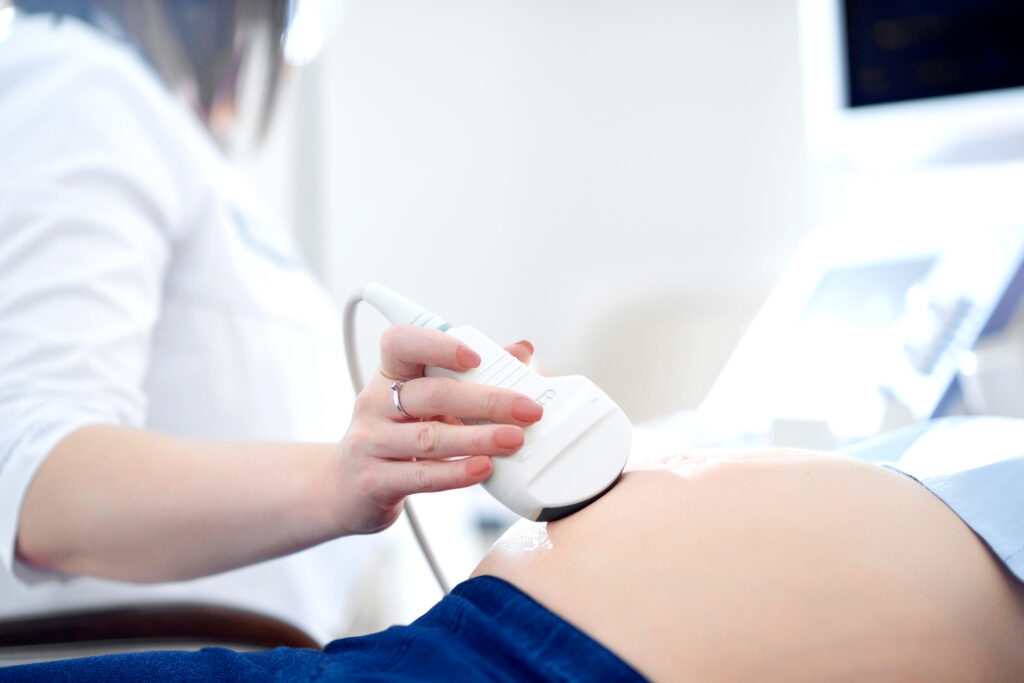
- Diagnostic imaging: Ultrasound or other imaging may be considered when clinically appropriate and available to investigate certain pregnancy-related concerns.
Not every pregnancy complication can be fully evaluated or treated in a general emergency room. Obstetric assessment, fetal monitoring, or specialized maternity care may be necessary. When a higher level of care is required, transfer to an appropriate facility may be arranged.
Pregnancy Complications Treatment Options
Treatment depends on the underlying condition, pregnancy stage, and severity of symptoms. Emergency care focuses on stabilizing the patient, identifying potentially serious complications, and coordinating appropriate follow-up or specialized care.
Treatment for Pregnancy-Related Pain and Bleeding
Abdominal pain and vaginal bleeding require assessment to identify their cause. Depending on the findings, evaluation may involve laboratory tests, imaging, medication, and referral for obstetric care.
Management of Dehydration
Persistent vomiting can cause fluid and electrolyte loss. Depending on the patient's condition, treatment may include intravenous fluids and medication to help control nausea and vomiting.
Evaluation of High Blood Pressure Symptoms
Severe headaches, vision changes, upper abdominal pain, and sudden swelling during pregnancy may indicate preeclampsia. Blood pressure assessment and additional testing can help identify potential complications and determine whether specialized obstetric care is needed.
Treatment for Infections
Infections during pregnancy require careful evaluation because some can affect both maternal and fetal health. Treatment may involve appropriate medication based on the suspected or confirmed infection and the patient's clinical condition.
Emergency Stabilization and Transfer
Certain complications, including ectopic pregnancy, severe preeclampsia, and suspected blood clots, may require specialized hospital treatment. Emergency clinicians can assess immediate risks, provide stabilization when needed, and coordinate transfer for further care.
Why Choose Aether Health SilverLake ER?
Aether Health SilverLake ER provides emergency medical care 24 hours a day, seven days a week. Patients can walk in without an appointment when experiencing severe or concerning symptoms during pregnancy.
The board-certified emergency physicians evaluate urgent maternal symptoms, determine whether immediate treatment is needed, and identify when specialized obstetric care may be required. When a condition requires services beyond the facility’s capabilities, transfer to an appropriate hospital can be arranged.
Get Emergency Pregnancy Complications Treatment in Pearland, TX
Pregnancy-related warning signs deserve prompt attention, particularly when symptoms involve severe pain, bleeding, breathing difficulties, or sudden changes in overall health. Early emergency evaluation can help identify serious conditions and guide the next steps in care.
Aether Health SilverLake ER is available 24/7 for emergency evaluation. If you need pregnancy complications treatment in Pearland, TX, visit the emergency room for urgent maternal symptoms.

Frequently Asked Questions
When should I go to the ER for pregnancy complications?
Seek emergency care for heavy vaginal bleeding, severe abdominal pain, chest pain, difficulty breathing, seizures, fainting, or severe headaches accompanied by vision changes. These symptoms may indicate serious complications.
Can an emergency room evaluate abdominal pain during pregnancy?
Yes. An emergency room can assess severe or concerning abdominal pain, review symptoms, perform appropriate examinations and tests, and determine whether specialized obstetric care is needed.
Is vaginal bleeding during pregnancy always an emergency?
Not all bleeding has the same cause, but any unexpected bleeding during pregnancy should be discussed promptly with an obstetrician. Heavy bleeding, severe pain, dizziness, or fainting requires emergency evaluation.
What are the warning signs of preeclampsia?
Warning signs can include severe headaches, vision changes, upper abdominal pain, sudden swelling of the face or hands, and shortness of breath. These symptoms require prompt medical assessment, particularly after 20 weeks of pregnancy or following delivery.
Is Aether Health SilverLake ER open 24/7 for pregnancy emergencies?
Yes. Aether Health SilverLake ER provides emergency care 24 hours a day, seven days a week. Patients can walk in without an appointment for urgent medical evaluation. Some pregnancy complications require specialized obstetric or labor and delivery services, so transfer may be necessary.