
Ringworm Infection Treatment Pearland TX | Aether Health SilverLake ER
Ringworm is a common fungal skin infection that can cause itchy, red, scaly patches with a distinctive ring-shaped appearance. Although most cases can be treated with antifungal medication, certain skin symptoms may require medical evaluation, particularly when the infection spreads, becomes painful, or shows signs of complications.
Aether Health SilverLake ER provides 24/7 emergency care for patients experiencing severe or concerning symptoms who need ringworm infection treatment in Pearland, TX.
Experiencing painful skin changes, significant swelling, or signs of a spreading infection? Seek medical evaluation promptly.
When Should You Seek Emergency Care for a Skin Infection?
Most ringworm infections are not medical emergencies. However, severe skin symptoms or signs of a secondary infection should not be ignored.
Seek prompt medical attention at SilverLake ER if you experience:
- Rapidly spreading redness or swelling around an affected area.
- Increasing pain, warmth, or tenderness.
- Pus or drainage from the affected skin.
- Fever or chills alongside worsening skin symptoms.
- Significant swelling or a painful, inflamed rash.
- A scalp infection accompanied by swelling, tenderness, or hair loss.
If you develop a rapidly worsening skin infection with fever, severe weakness, or other serious symptoms, emergency evaluation may be necessary.
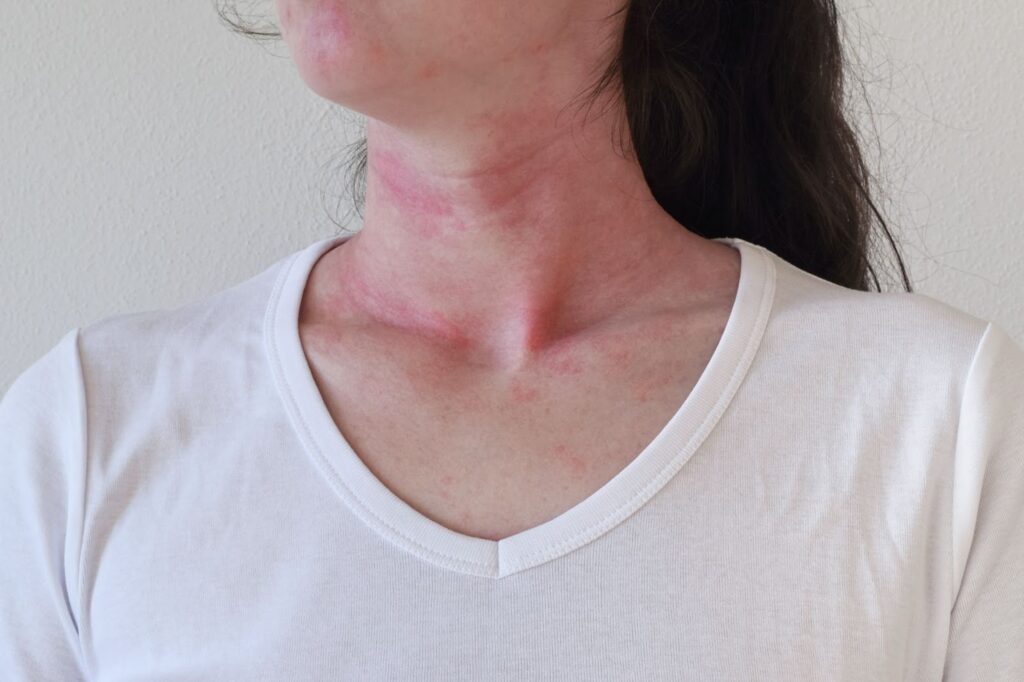
Common Symptoms of Ringworm Infection

Ringworm symptoms vary depending on where the fungus develops. Common signs include:
- Circular or ring-shaped skin patches.
- Red, itchy, or scaly areas.
- Raised or defined rash borders.
- Dry or cracked skin.
- Patches that gradually expand.
- Hair loss or scaly areas on the scalp.
- Itching, peeling, or discomfort between the toes.
- Thickened or discolored nails when the infection affects the nails.
Not every circular rash is a ringworm. Other skin conditions can look similar, so an accurate diagnosis is important before starting treatment.
Types of Ringworm Infections
Ringworm can affect different parts of the body. The location of the infection helps determine the appropriate treatment.
Ringworm of the Body (Tinea Corporis)
This type affects areas such as the arms, legs, and torso. It commonly appears as circular, itchy patches with scaly edges that may gradually spread.
Scalp Ringworm (Tinea Capitis)
Scalp ringworm can cause scaly patches, itching, broken hair, and areas of hair loss. It is more common in children and generally requires prescription oral antifungal treatment.
Athlete's Foot (Tinea Pedis)
This fungal infection affects the feet, particularly between the toes. Symptoms may include itching, peeling, cracking, and burning sensations.
Jock Itch (Tinea Cruris)
Jock itch affects the groin and inner thighs. It can cause an itchy, red, and scaly rash that may become more uncomfortable with sweating and friction.
Nail Ringworm (Tinea Unguium)
A fungal nail infection can cause nails to become thick, brittle, discolored, or misshapen. Nail infections often require a longer course of treatment than infections affecting the skin.
How Is Ringworm Diagnosed?
At SilverLake ER, the board-certified emergency physicians can evaluate concerning skin symptoms and determine whether further testing or treatment is necessary.
An evaluation may include:
- Skin examination: Assessing the appearance, location, and spread of the affected area.
- Symptom review: Discussing when the rash started, whether it itches or hurts, and whether it has changed over time.
- Medical history: Reviewing previous fungal infections, existing skin conditions, and medications.
- Fungal testing: A skin scraping may be examined under a microscope or sent for laboratory testing when the diagnosis is uncertain and testing is appropriate.
- Assessment for complications: Checking for signs of secondary bacterial infection or significant inflammation.
The appearance of a rash alone may not be enough to confirm ringworm. Additional testing depends on the clinical assessment.

Ringworm Infection Treatment Options
Treatment depends on the affected area, the extent of the infection, and whether complications are present.
Topical Antifungal Medication
Many infections affecting the skin can be treated with topical antifungal creams, lotions, or other preparations. Common medications include terbinafine, clotrimazole, and miconazole. Treatment should follow the recommended instructions and duration.
Oral Antifungal Treatment
More extensive infections, scalp ringworm, and certain nail infections may require prescription oral antifungal medication. A healthcare professional determines whether this treatment is appropriate based on the infection and the patient's medical history.
Treatment for Secondary Skin Infections
Scratching affected areas can damage the skin and increase the risk of a secondary bacterial infection. If redness, swelling, warmth, pain, or drainage develops, medical evaluation can help determine whether additional treatment is needed.
Preventing Further Spread
Good hygiene can help reduce the risk of spreading ringworm to other people or body areas. Helpful steps include: Avoid using steroid creams alone on a suspected fungal infection, as they can mask symptoms and allow the infection to worsen.
Why Choose Aether Health SilverLake ER?
Aether Health SilverLake ER provides emergency medical care 24 hours a day, seven days a week. Patients can walk in without an appointment when skin symptoms become severe or concerning.
Our board-certified emergency physicians evaluate affected areas, assess possible complications, and determine the appropriate next steps based on clinical findings. While uncomplicated ringworm is generally managed through routine medical care, severe inflammation, rapidly worsening symptoms, or signs of a secondary infection may require prompt evaluation.
Get Ringworm Infection Treatment in Pearland, TX
Ringworm is treatable, but identifying the infection correctly is important to prevent unnecessary medication and further spread. If a skin condition becomes painful, spreads rapidly, or develops signs of a secondary infection, seek medical evaluation.
Aether Health SilverLake ER is available 24/7 for emergency care. Visit the facility for ringworm infection treatment in Pearland, TX when symptoms are severe or require emergency assessment.
Frequently Asked Questions
Is ringworm a serious skin infection?
Most ringworm infections are treatable and do not cause serious complications. However, extensive infections, scalp involvement, or secondary bacterial infections may require additional medical attention.
How long does a ringworm take to go away?
Many skin infections improve after two to four weeks of appropriate antifungal treatment. Scalp and nail infections may take longer and often require prescription oral medication.
Can ringworm spread from one person to another?
Yes. Ringworm can spread through direct skin contact, infected animals, contaminated surfaces, and shared personal items such as towels, clothing, and hairbrushes.
Does ringworm require oral antifungal medication?
Not always. Many infections affecting the skin respond to topical antifungal medication. Scalp infections, extensive cases, and some nail infections may require oral treatment prescribed by a healthcare professional.
When should I visit an emergency room for ringworm?
Seek medical attention if the affected area becomes increasingly painful, swollen, warm, or starts producing pus. Fever, rapidly spreading redness, or other signs of a serious skin infection also warrant prompt evaluation. Uncomplicated ringworm can generally be assessed through routine medical care.