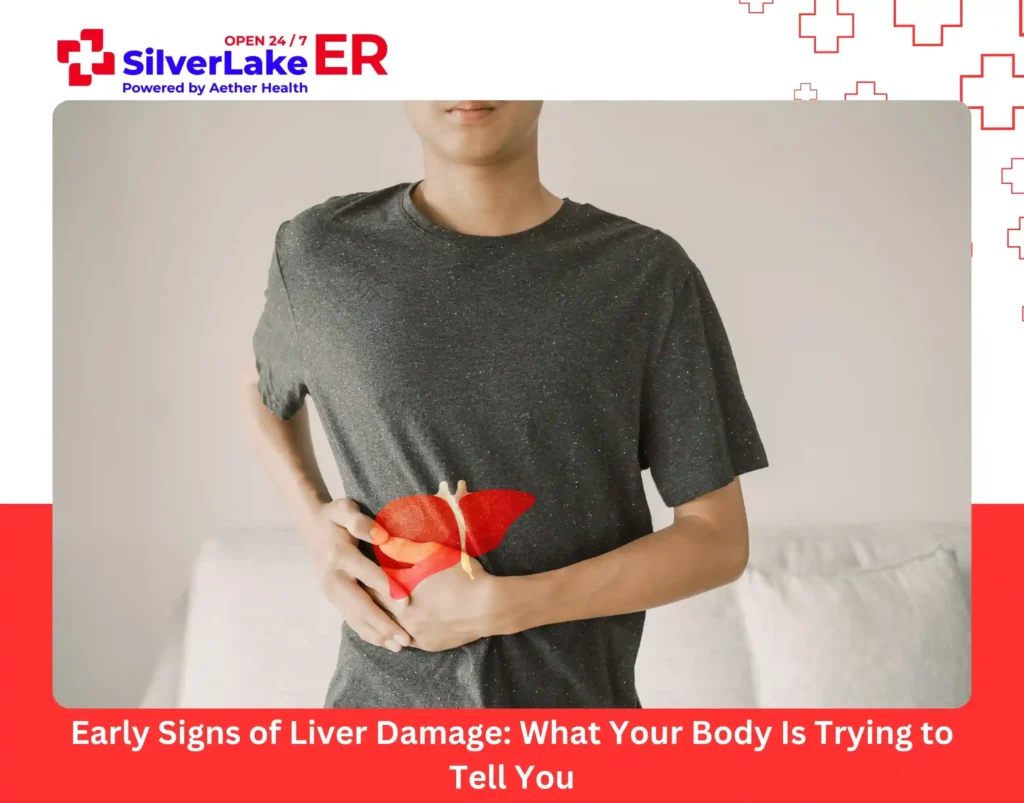
Your liver works quietly behind the scenes, filtering toxins, aiding digestion, and keeping your body in balance. But when something starts to go wrong, the early signs of liver damage are often subtle and easy to overlook. Many people don’t realize there’s a problem until symptoms become serious.
Recognizing these warning signs early can make a critical difference. In this guide, we’ll break down the most common early symptoms of liver damage, what they may feel like, and when it’s important to seek medical care.
Why Early Detection Matters
Liver is known for its impressive capacity of regeneration and compensation. That means you may not see symptoms until a lot of liver function has already been lost. The truth is that early signs are your body’s way of telling you that something isn’t quite right.
But by taking note of these early warning signs, you can take action. whether through lifestyle changes, seeking medical evaluation or taking medications.
Early Signs of Liver Damage that Everyone Should Know

Fatigue and Weakness
If you’ve started feeling more fatigued, weak, or low energy, your liver may be starting to falter. A damaged liver may not be able to metabolize nutrients effectively, causing low energy and continuous fatigue.
Lack of Appetite and Weight Reduction
A sudden loss of appetite, particularly when followed by unintended weight loss can seem like a small, unrelated thing, but it may be your liver processing nutrients differently. This is a symptom that typically shows up prior to more noticeable ones.
Nausea and Digestive Upset
If your liver is damaged from toxins, early symptoms will likely include digestion problems like nausea, vomiting, stomach pain after eating and feeling overly full even after small meals. The symptoms can be of varying frequency but should not be left untreated.
Jaundice or Yellowing of the Skin and Eyes
Perhaps the most famous harbinger of liver trouble is jaundice, a yellowish appearance in the skin and whites of the eyes. That happens when the body has too much bilirubin (a waste product), and it can no longer process it properly. Jaundice with high fever signals a more advanced stage of the disease.
Dark Urine and Pale Stools
If your urine or stool changes color, this could be a sign that something is wrong with the liver. Dark urine can be a sign of too much bilirubin in your bloodstream, while pale or clay-colored stools can mean that bile flow is blocked, both are early signs of liver damage.
Itchy Skin and Rashes
Liver damage can result in ongoing itchiness and skin irritation, not associated with more frequent problems such as allergies or dryness. This itching may be all over your body and quite plaguesome if bile salts collect in the skin.
Swelling (Edema) and Abdominal Bloating
Patients with early liver disease can develop fluid on the legs or abdomen (ascites) before they become severe. You may even experience bloating or pressure in your lower belly, as well a swelling in your ankles or feet.
Easy Bruising and Bleeding
Since the liver manufactures proteins that are necessary for blood coagulation, injury can result in reduced amounts of clotting elements. This can lead to easy bruising, bleeding gums or longer-lasting bleeding from cuts and minor wounds, symptoms that should trigger medical evaluation.
Mental Nebulousness (Hepatic Encephalopathy)
In more advanced liver damage, toxins that your liver would normally purify can accumulate in the bloodstream and brain. It can cause memory changes or confusion, or difficulty concentrating, a condition called hepatic encephalopathy.
More Subtle Early Signs of Liver Damage To Monitor
For some people, these other symptoms may appear first and may not immediately suggest anything is wrong with the liver.
- Chronic foul breath or an unpleasant metallic taste in your mouth.
- Chronic body odor changes.
- Sleep disturbances or insomnia.
Although these are less common, along with other warning signs they may indicate underlying liver strain.
Who Is at Higher Risk?
There are several risk factors that could cause liver damage, even before symptoms of harm show up:
- Heavy alcohol consumption.
- Hepatitis B or C infection of more than six months’ duration.
- Fatty liver disease (NAFLD), associated with obesity or diabetes.
- Some drugs or poisons.
- Genetic liver disorders.
If you’re in one of these groups, you might have liver function tests more often or at an earlier age.
How Liver Damage Is Diagnosed
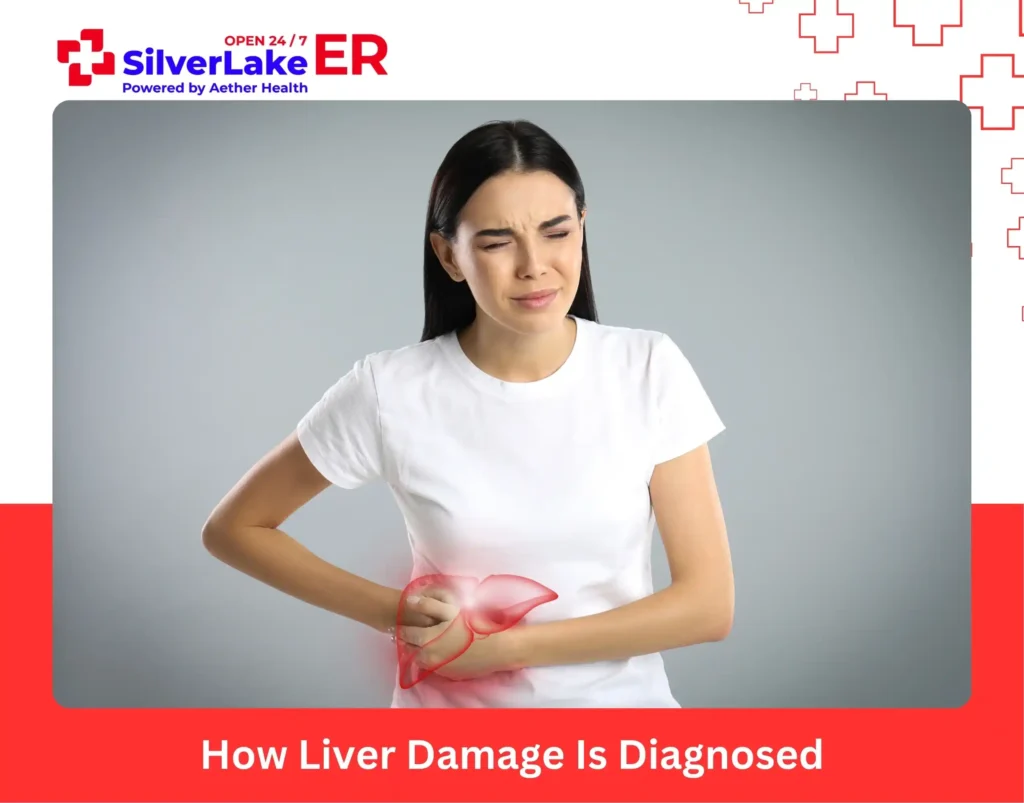
Your health or urgent care provider will use a combination of the following to assess liver function:
- Blood work: Screening liver enzymes, bilirubin and protein levels.
- Imaging tests: Ultrasound, computerized tomography (CT) scan or magnetic resonance imaging (MRI).
- A check-up, including looking for jaundice or an enlarged abdomen.
Tips To Support Liver Health
Eat a Liver-Friendly Diet
Consume lots of fresh vegetables, lean proteins, while grains, and health fats. Stay away from processed foods, too much sugar and high fat meals that can overload the liver.
Limit Alcohol Intake
The liver is ravaged by alcohol. It can also damage the liver with even small amounts over time. If you have risk factors for symptoms, consider decreasing or eliminating alcohol.
Keep Moving and Not Overweight
Engaging in routine exercise and eating a well-rounded diet will help to reduce the risk of fatty liver disease and support our metabolic health.
Get Routine Health Screenings
This is especially true if you have risk factors like diabetes or a family history of liver disease, as routine blood tests can detect changes early.
When to Seek Medical Care
If you develop symptoms that promote liver damage, particularly fatigue, jaundice, fluid in your abdomen or dark urine, make a healthcare appointment.
And if you do develop serious symptoms, including confusion, severe abdominal pain, bleeding or sudden swelling of the legs or abdomen, seek immediate evaluation, including a visit to a 24/7 emergency room.
Emergency providers may obtain urgent blood testing and imaging, as well as provide supportive care for the evaluation of severe liver disease.
Take Away
The early signs of liver damage can be easy to miss, but paying attention to symptoms like fatigue, nausea, abdominal discomfort, or yellowing of the skin can help prevent serious complications. When in doubt, early medical evaluation can make a life-saving difference.
Frequently Asked Questions (FAQs)
1) What are the earliest signs of liver damage?
Early symptoms include fatigue, loss of appetite, nausea, abdominal discomfort, and changes in urine or stool color.
2) Can I go to SilverLake ER 24/7 if I’m experiencing severe symptoms of liver trouble?
Yes, SilverLake ER in Pearland, TX is open 24 hours a day, 7 days a week and can evaluate sudden, severe symptoms such as jaundice, abdominal pain, swelling, or confusion to rule out serious liver complications and provide urgent care.
3) Does liver damage always cause pain?
Not always. Some people have significant liver issues with little to no pain early on, which is why awareness of other symptoms is important.
4) Is jaundice an early sign?
Jaundice is often a more advanced symptom, but noticing yellowing of skin or eyes warrants an urgent medical evaluation.
5) What lifestyle changes help protect the liver?
Eating a balanced diet, staying physically active, avoiding excessive alcohol, and regular check-ups can support liver health.