
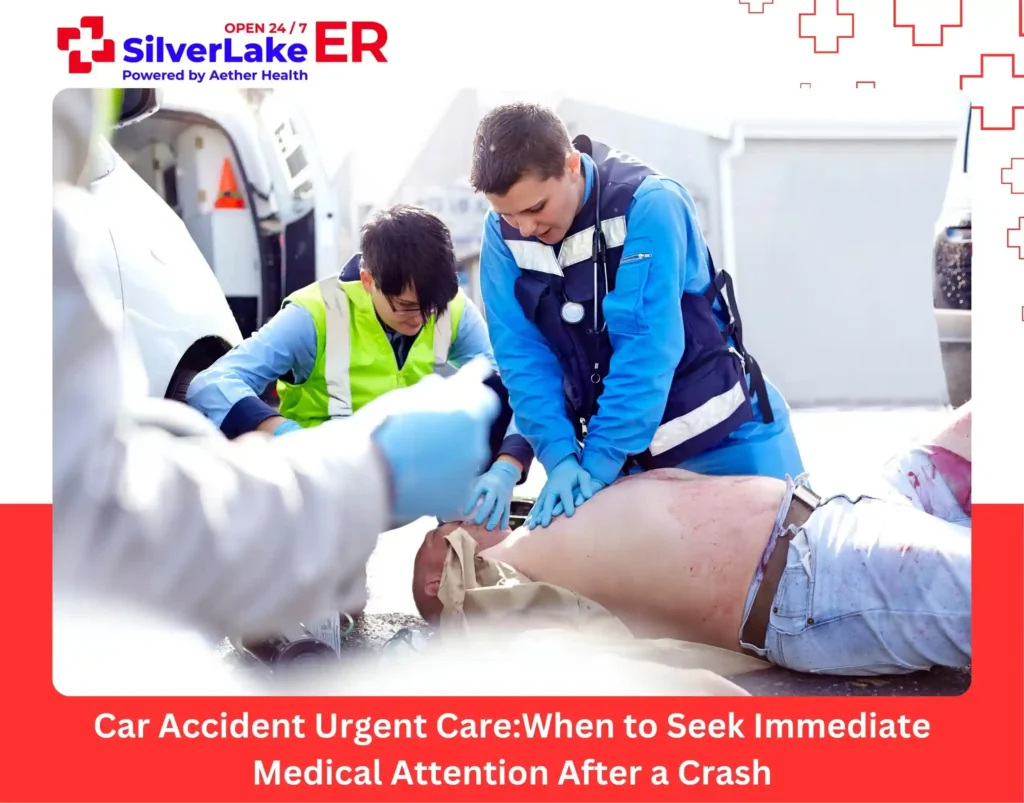
Car accidents can happen unexpectedly, leaving drivers and passengers unsure about what type of medical care they need. While severe injuries require hospital treatment, many people experience minor or moderate injuries that still require prompt evaluation. In these cases, visiting urgent care after a car accident can be a practical and effective option.
Understanding when to choose urgent care, what injuries can be treated, and why prompt medical evaluation matters can help protect both your health and your recovery.
Why You Should Seek Medical Care After a Car Accident
Even if a car accident seems minor, it’s important to get checked by a medical professional as soon as possible. The body often releases adrenaline during a crash, which can temporarily mask pain and other symptoms. As a result, injuries may not become noticeable until hours or even days later.
Timely medical assessment uncovers the unseen, facilitates early treatment and prevents unnecessary complications. It also generates official medical records that can be crucial for insurance claims, or legal matters after an accident.
What Is Urgent Care for a Car Accident?

Car accident urgent care centers treat injuries that are not life-threatening, but need attention in the same day. These clinics have medical staff who can assess injuries, offer treatment and order diagnostic tests such as X-rays.
Urgent care centers usually provide:
- Shorter wait times.
- Lower treatment costs.
- Extended evening and weekend hours.
- Convenient locations.
Many urgent care clinics are equipped to treat common injuries resulting from accidents and can refer patients to specialists if further treatment is necessary.
Most Frequent Injuries Treated at Urgent Care After a Motor Vehicle Accident
Urgent care facilities, such as SilverLake ER are well suited to diagnose and treat many minor injuries sustained in a vehicle collision.
Whiplash and Neck Strain
One of the most common injuries from a car accident, particularly in rear-end collisions, is whiplash. “Whiplash” happens when the neck is jolted suddenly back and forth, straining muscle and ligament. Urgent care providers can assess symptoms and prescribe treatment, including medication, rest or physical therapy.
Sprains and Muscle Strains
Car accidents can lead to sprains and strains in the neck, back, shoulders or limbs. These injuries can lead to swelling, stiffness and pain that progresses over time.
Cuts, Scrapes, and Minor Lacerations
Minor wounds can usually be managed at urgent care with cleaning, bandaging or stitches if needed.
Bruises and Contusions
Bruising and soreness can come from seatbelt pressure, airbags or hitting parts of the vehicle. An evaluation physical system helps rule out deep injuries
Mild Concussion Symptoms
Dizziness, headaches or confusion after a minor blow to the head could represent a mild concussion. Urgent care providers can assess patients neurologically initially and advise a higher level of evaluation as needed.
Minor Fractures
Most car accident urgent care facilities have X-ray equipment that can identify minor fractures or joint injuries.
Benefits of Going to Urgent Care Following a Car Accident
Urgent care provides a number of important benefits for the many accident victims suffering from non-severe injuries.
Faster Medical Attention
Most healthcare facilities prioritize people with life-threatening issues, so those with minor injuries might wait hours to get seen. Urgent care clinics generally allow for quicker access to medical evaluation.
Lower Medical Costs
Urgent care visits cost significantly less than hospital visits in most cases. Where hospital visits can cost thousands of dollars, typically treatment at an urgent care center will be the same as a regular office co-pay, depending on your insurance coverage.
Convenient Locations and Hours
Several urgent care centers are open at night, on weekends and during holidays, providing an accessible resource for the victims of accidents seeking care outside normal office hours.
Medical Documentation for Insurance Claims
Evidence of the accident-related injuries is best documented through timely medical evaluation. Accurate medical records can help insurance claims or legal actions stemming from the crash.
When to Go to Urgent Care After a Car Accident

Urgent care is typically appropriate for non-life-threatening injuries that still need medical attention.
You should determine whether urgent care is appropriate if you experience:
- Mild neck or back pain.
- Whiplash symptoms.
- Minor cuts or lacerations.
- Sprains or strains.
- Bruising or soreness.
- Headache without loss of consciousness.
- Delayed pain or stiffness that can develop hours after the accident.
Urgent care providers are able to assess these symptoms and decide if further imaging, treatment or referrals to specialists are needed.
What Happens During An Urgent Care Visit After A Car Accident
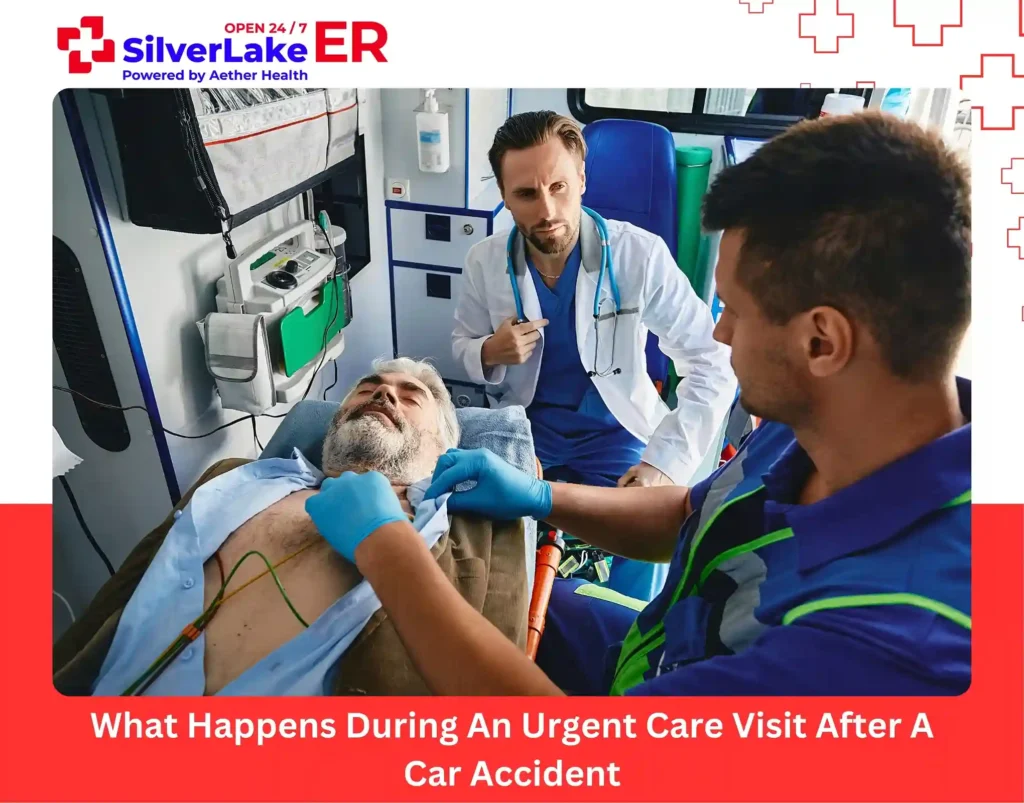
During your visit, medical providers will typically take several steps to assess your condition.
These may include:
- Medical history and accident details.
- Assessing for injury via physical examination.
- If necessary, diagnostic imaging including X-rays
- Pain management and treatment
- Referring you to specialists if needed/
This assessment assists in early injury diagnosis and a treatment plan promoting the return to play.
Take Away
Car accidents can lead to a wide range of injuries, from minor soreness to serious trauma. While hospitals are necessary for life-threatening conditions, urgent care centers provide a convenient and effective option for evaluating minor car accident injuries.
Prompt medical attention can help identify hidden injuries, start treatment early, and create important medical documentation for insurance purposes. If you experience pain, discomfort, or unusual symptoms after a crash, visiting urgent care may be the right step toward a safe and healthy recovery.
Frequently Asked Questions (FAQs)
1) Can you go to urgent care after a car accident?
Yes, urgent care centers can treat many minor injuries after a car accident, including sprains, whiplash, bruises, cuts, and mild concussion symptoms.
2) How soon should you see a doctor after a car accident?
It is recommended to seek medical evaluation as soon as possible, ideally within 24–72 hours, even if symptoms appear minor.
3) What injuries can urgent care treat after a car accident?
Urgent care can treat minor injuries such as muscle strains, whiplash, minor fractures, cuts, bruises, and mild head injuries.
4) Should you go to urgent care or the hospital after a car accident?
Urgent care is suitable for non-life-threatening injuries, while the hospital is necessary for severe symptoms such as loss of consciousness, severe bleeding, chest pain, or major fractures.
5) Can car accident symptoms appear later?
Yes, due to adrenaline and shock, symptoms like neck pain, headaches, and muscle stiffness may appear hours or days after the accident.