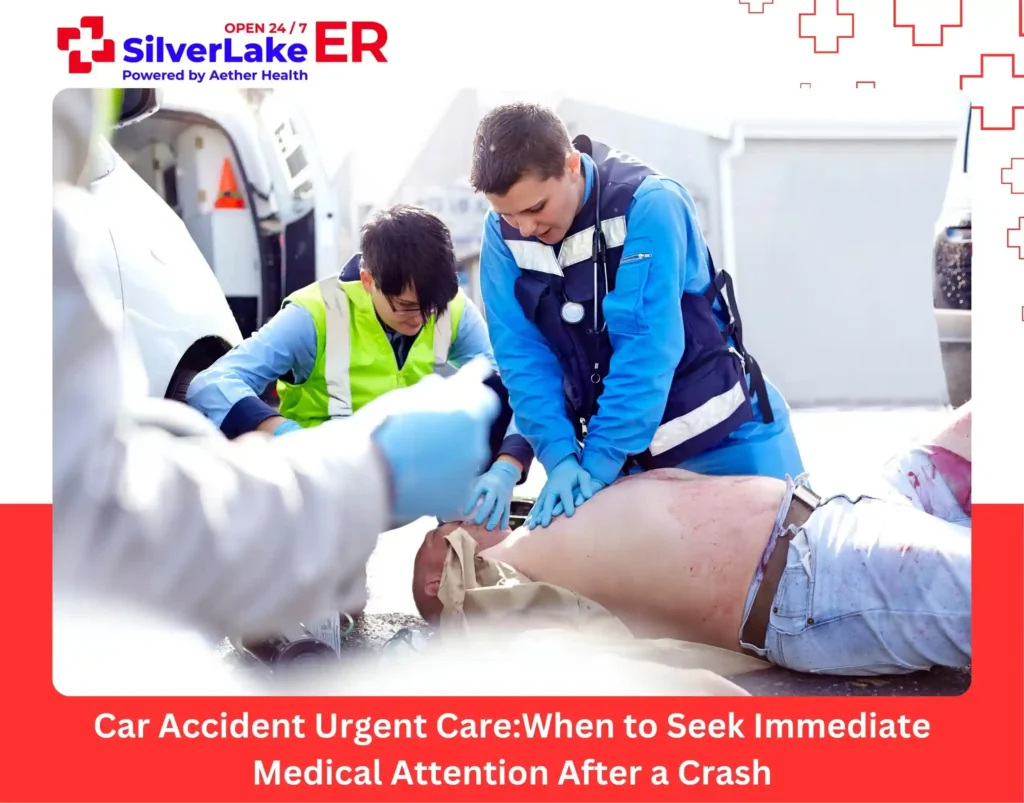
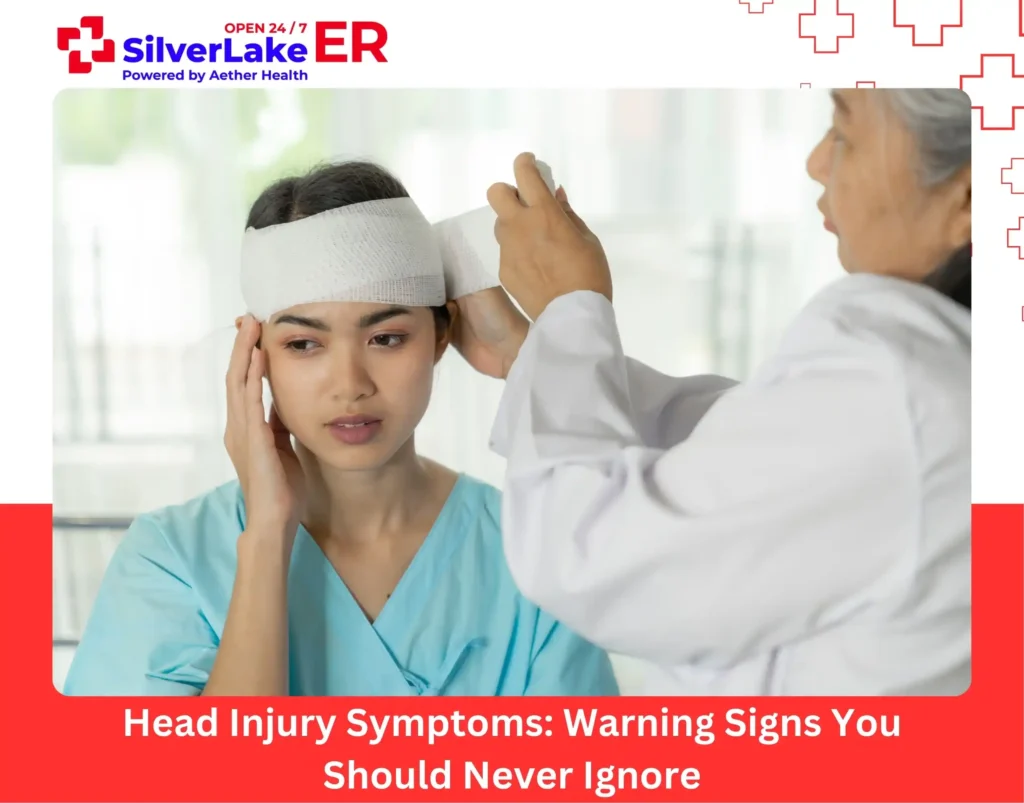
Head injuries are common and can occur during falls, sports accidents, car crashes, or any situation where the head receives a strong impact. While some injuries may only cause mild discomfort, others can lead to traumatic brain injury (TBI), a serious condition that affects brain function.
This comprehensive guide explains the common symptoms of head injuries, how symptoms vary by severity, warning signs that require emergency care, and when to seek medical attention.
What Is A Head Injury?
A head injury refers to any trauma affecting the scalp, skull, or brain. It may range from a minor bump or bruise to more serious conditions like concussions or traumatic brain injuries.
Head injuries often occur when the brain moves suddenly inside the skull after a blow or jolt. This movement can cause bruising, swelling, bleeding, or tearing of brain tissue.
Because the brain controls essential functions such as movement, speech, and thinking, even a mild injury can sometimes cause noticeable symptoms.
Common Head Injury Symptoms
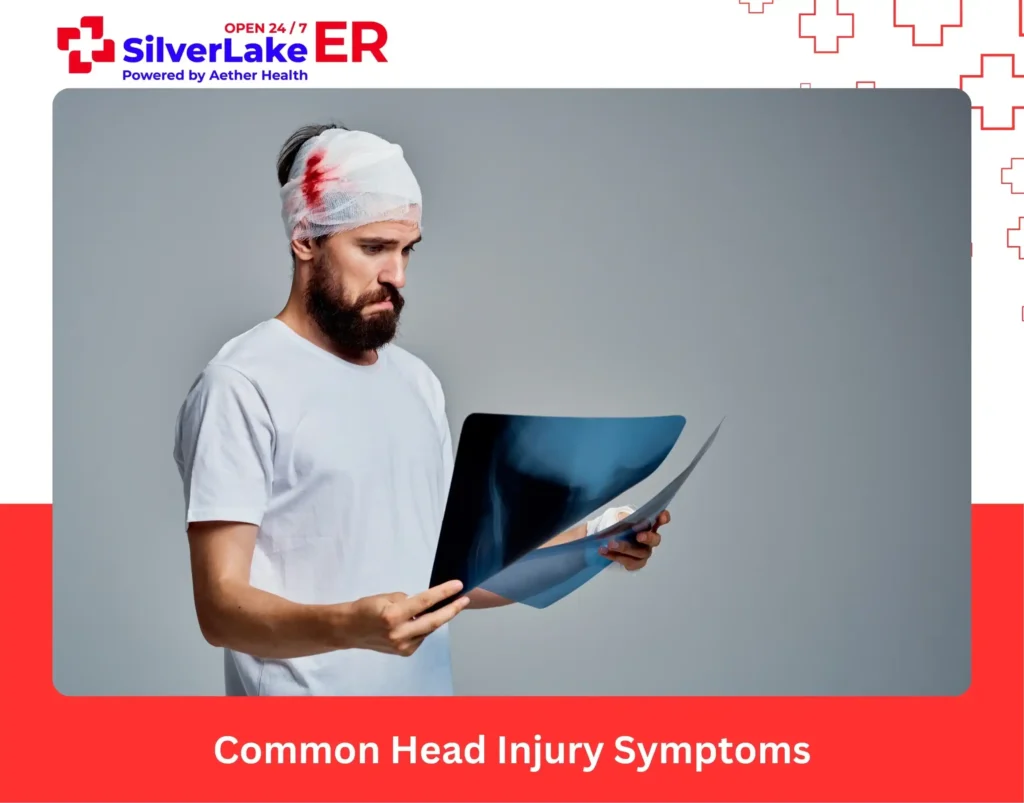
Symptoms can vary depending on the severity of the injury. Some appear immediately after the incident, while others may develop hours or even days later.
Common head injury symptoms include:
- Headache.
- Dizziness or balance problems.
- Nausea or vomiting.
- Confusion or disorientation.
- Sensitivity to light or noise.
- Blurred vision.
- Difficulty concentrating.
- Fatigue or drowsiness.
- Memory problems.
- Irritability or mood changes.
These symptoms may occur after a minor injury or concussion.
Symptoms of Mild Head Injury
A mild head injury, often referred to as a concussion, may cause temporary brain dysfunction. Symptoms may include:
Physical Symptoms
- Headache.
- Nausea.
- Fatigue or drowsiness.
- Dizziness or lightheadedness.
- Blurry vision.
- Ringing in the ears.
- Cognitive Symptoms.
- Confusion or feeling “foggy.”
- Difficulty remembering the event.
- Trouble concentrating.
Emotional and Behavioral Symptoms
- Mood swings.
- Anxiety or depression.
- Sleep-Related Symptoms.
- Trouble falling asleep.
- Sleeping more or less than usual.
These symptoms are usually temporary but should still be monitored carefully.
Symptoms of Moderate to Severe Head Injury
More serious head injuries may cause life-threatening symptoms that require immediate medical attention or a visit to the nearest urgent care facility.
Warning signs include:
- Loss of consciousness lasting several minutes or longer.
- Persistent or worsening headache.
- Repeated vomiting.
- Slurred speech.
- Weakness or numbness in arms or legs.
- Seizures or convulsions.
- Difficulty walking or maintaining balance.
- Unequal pupil size.
- Blood or clear fluid draining from the ears or nose.
- Severe confusion or agitation.
These symptoms may indicate brain bleeding, swelling, or severe trauma, which requires urgent emergency care.
Symptoms That May Appear Later
Some head injury symptoms do not appear immediately after the accident. In certain cases, they develop hours or days later.
Delayed symptoms may include:
- Persistent headaches.
- Difficulty concentrating.
- Memory problems.
- Personality changes.
- Sensitivity to light or sound.
- Sleep disturbances.
- Emotional changes such as anxiety or depression.
Because delayed symptoms can indicate brain injury, medical evaluation is recommended after any significant blow to the head.
Head Injury Symptoms in Children
Head injuries can be difficult to recognize in young children because they may not be able to explain how they feel.
Signs in infants and children may include:
- Persistent crying.
- Loss of balance or coordination.
- Vomiting.
- Unusual irritability.
- Changes in eating or sleeping habits.
- Lack of interest in favorite activities.
Parents should closely monitor children after a fall or head impact and seek medical care if symptoms appear.
Common Causes of Head Injuries
Head injuries can occur in many situations. Some of the most common causes include:
- Falls from heights or stairs.
- Motor vehicle accidents.
- Sports or personal injuries.
- Physical assaults.
- Workplace accidents.
- Bicycle or pedestrian accidents.
Falls are the leading cause of traumatic brain injury, particularly among children and older adults.
When to Seek Emergency Care
A head injury should always be taken seriously. Seek immediate medical attention if any of the following symptoms occur:
- Loss of consciousness.
- Severe or worsening headache.
- Repeated vomiting.
- Slurred speech.
- Weakness in limbs.
- Difficulty speaking or understanding speech.
- Unequal pupils.
- Fluid leaking from the nose or ears.
These signs may indicate serious brain injury or internal bleeding, which requires urgent medical treatment.
Complications of Head Injuries
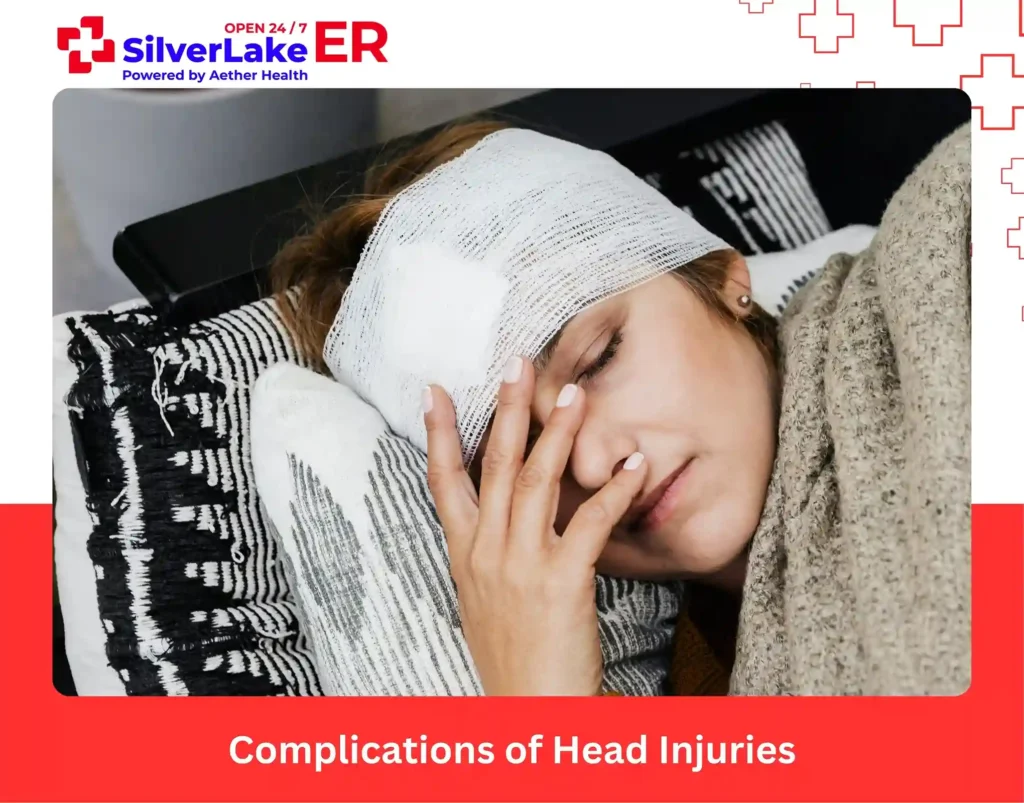
If not properly treated, head injuries may lead to complications such as:
- Chronic headaches.
- Persistent dizziness.
- Memory or concentration problems.
- Mood and behavioral changes.
- Post-concussion syndrome.
- Long-term brain damage.
Prompt diagnosis and treatment can reduce the risk of these complications.
How Head Injuries Are Diagnosed
Doctors evaluate head injuries through several steps:
- Medical history and symptom review.
- Neurological examination.
- Imaging tests such as CT scans or MRI.
How To Prevent Head Injuries

Although accidents cannot always be prevented, several measures can reduce the risk of head injury:
- Wearing helmets during sports or cycling.
- Using seat belts in vehicles.
- Installing safety rails on stairs.
- Using protective gear during physical activities.
- Keeping floors clear to prevent falls.
Final Thoughts
Head injuries can range from minor bumps to serious traumatic brain injuries that affect brain function. Recognizing head injury symptoms such as headache, confusion, dizziness, vomiting, or loss of consciousness is crucial for seeking timely medical care.
If you or someone else experiences symptoms after a blow to the head, it is important to monitor the situation closely and seek medical attention if symptoms worsen or persist. Early evaluation and treatment can make a significant difference in recovery and long-term health.
FAQs
1) What are the first symptoms of a head injury?
Early symptoms may include headache, dizziness, confusion, nausea, and sensitivity to light or noise.
2) Can head injury symptoms appear later?
Yes. Some symptoms such as memory problems, headaches, and mood changes may appear hours or days after the injury.
3) What is the most common type of head injury?
Concussion is the most common type of mild traumatic brain injury caused by a blow or jolt to the head.
4) When should you go to the emergency room after a head injury?
You should seek emergency care if there is loss of consciousness, repeated vomiting, seizures, slurred speech, or severe headache.
5) Can a mild head injury heal on its own?
Many mild head injuries improve with rest, but medical evaluation is recommended to rule out serious complications.