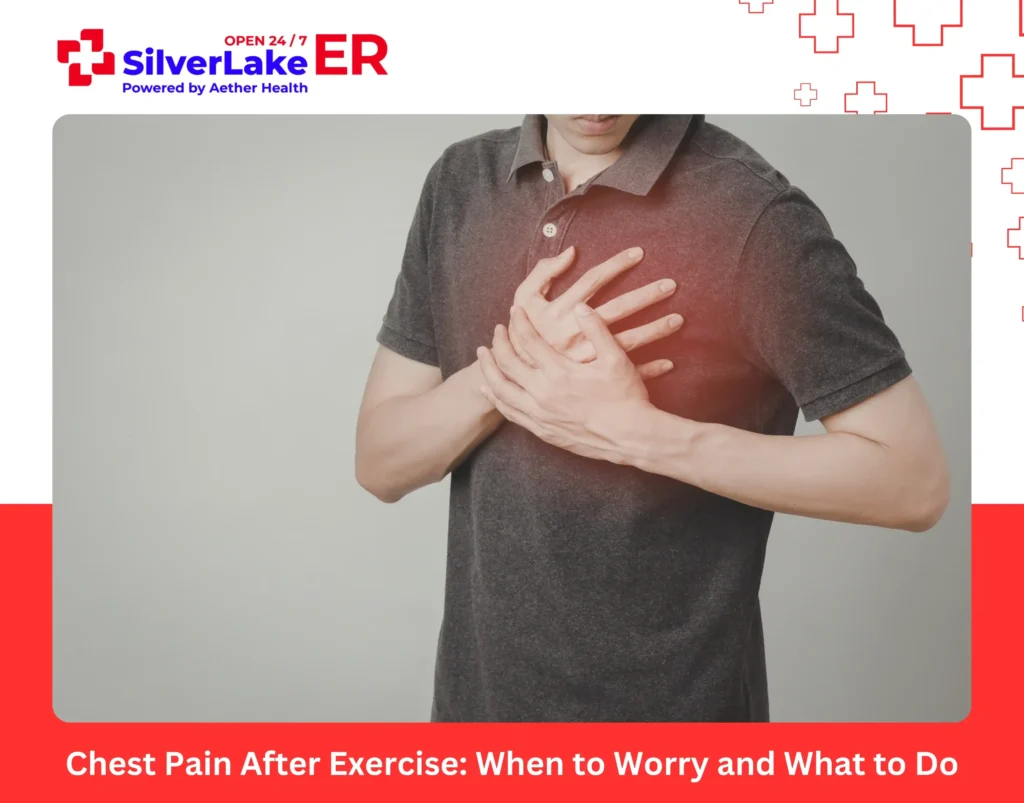
Chest pain after exercise can be the first sign of a serious cardiac issue. And it often happens in younger people who tend to overlook early symptoms. Most post-exercise chest discomfort is harmless and caused by muscle strain or dehydration.
But chest pain that lasts more than a few minutes, spreads to your arm or jaw, comes with shortness of breath or nausea may indicate the early stages of a heart attack.
This guide breaks down the key differences between routine post-exercise soreness and warning signs of cardiac-related chest pain. By the end, you’ll know what’s normal, what’s not, and the steps you can take to protect your heart while staying active.
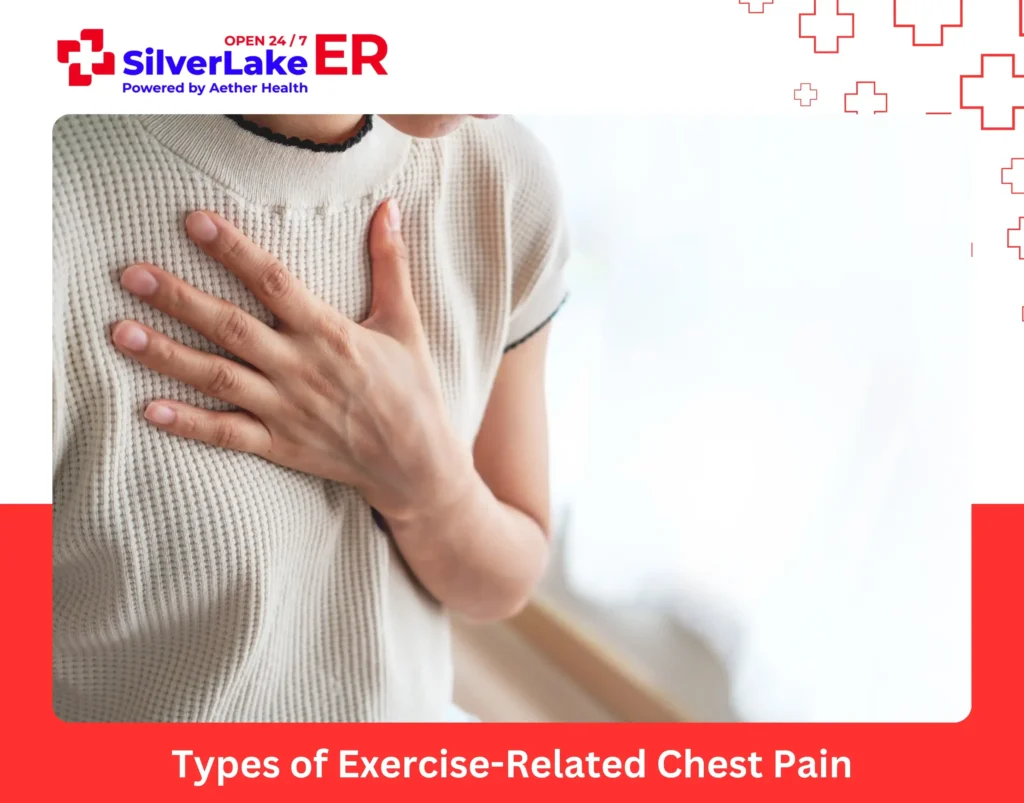
Types of Exercise-Related Chest Pain
Musculoskeletal Pain
Musculoskeletal pain typically feels like a dull ache or soreness that worsens when you press on the area or move in certain ways. This type of discomfort is common after upper-body exercises, such as push-ups, bench presses, or intense core workouts that engage the chest muscles.
Cardiac-Related Pain
Cardiac-related chest pain often presents as pressure, tightness, or a squeezing sensation in the center of your chest. This type of pain may radiate to your arms, jaw, neck, or back, and it’s frequently accompanied by other symptoms like shortness of breath, nausea, dizziness, or cold sweats.
5 Common Causes of Chest Pain After Exercise
Chest pain isn’t always related to the heart. Several harmless or moderate causes may trigger pain after physical activity.
1. Muscle Strain and Soreness (Most Common)
The chest contains various muscles, including the pectorals, intercostals, and muscles surrounding the ribcage, all of which can become fatigued or strained during physical activity.
The most common reason for a chest sore after workout is simple muscle strain. When you exercise, especially if you’re trying new movements or increasing intensity, you create microscopic tears in muscle fibers. This process, while normal and necessary for building strength, causes delayed onset muscle soreness (DOMS) that typically peaks 24 to 48 hours after your workout session.
Common activities causing chest muscle soreness:
- Weightlifting exercises
- Swimming and rowing movements
- Push-up variations and planks
- Intense coughing during cardio sessions
This type of pain is generally manageable and resolves within a few days with proper rest and recovery.
2. Dehydration and Electrolyte Imbalance
During intense activity, low fluids or low electrolytes (especially potassium or magnesium) can cause muscle tightness, cramping in the chest area, and irregular heartbeats. The symptoms improve with fluid intake.
3. Gastroesophageal Reflux Disease (GERD)
Gastroesophageal reflux disease can cause burning chest sore after workout, particularly with activities that involve bending, bouncing, or lying down. The physical movement and increased abdominal pressure during exercise can force stomach acid upward, creating a burning sensation that mimics cardiac pain.
This type of chest pain after exercise is often accompanied by:
- Sour taste in the mouth
- Burning sensation in the throat
- Difficulty swallowing
- Regurgitation of food or liquid
4. Poor Breathing Technique
Shallow or rapid breathing, especially during cardio, can cause temporary chest discomfort due to hyperventilation or mild spasm of breathing muscles. This usually resolves once breathing returns to normal.
5. Anxiety or Panic
Sometimes chest pain is connected to stress or panic during or after exercise. It may come with a racing heart, tingling hands, or lightheadedness.
When Chest Pain After Exercise Is a Warning Sign
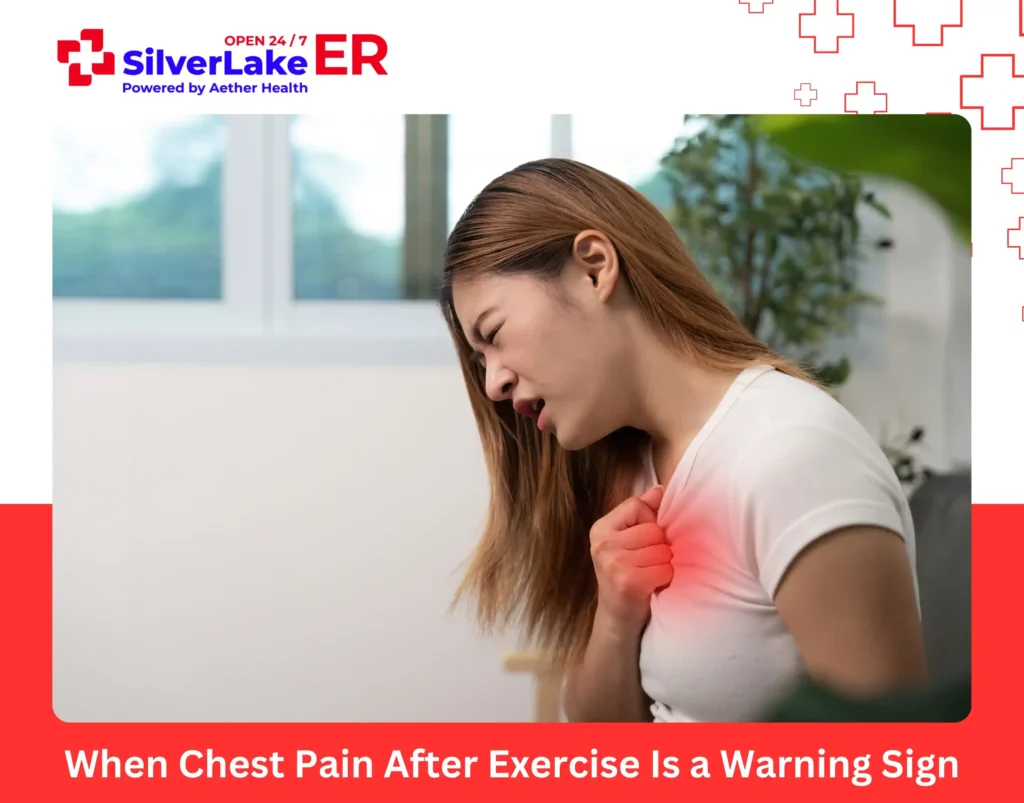
Chest pain when running or during other cardiovascular activities could signal several different conditions, ranging from benign muscle strain to serious heart problems. Here are some serious scenarios:
1. Angina (Reduced Blood Flow to the Heart)
Angina occurs when your heart muscle doesn’t receive enough oxygen-rich blood, typically due to narrowed coronary arteries (coronary artery disease). Exercise increases your heart’s oxygen demand, which can trigger angina if blood flow is restricted.
Key characteristics of angina:
- Chest pressure or tightness during exertion
- Pain that improves with rest
- Discomfort lasting 5-15 minutes
- May radiate to the arms, jaw, or back
2. Heart Attack (Myocardial Infarction)
A heart attack can occur during or after working out if a blood vessel suddenly becomes blocked. More serious cardiac events, including heart attacks, can occur during or after strenuous exercise if a blood vessel suddenly becomes blocked. Individuals with underlying heart disease or the following issues are at the highest risk:
- High blood pressure
- High cholesterol levels
- Diabetes
- Smoking history
- Family history of heart disease
- Obesity
- Sedentary lifestyle
3. Exercise-Induced Asthma (Bronchoconstriction)
Many people experience chest pain when running due to exercise-induced bronchoconstriction, formerly known as exercise-induced asthma. This condition causes the airways to narrow during or after physical activity, leading to:
- Chest tightness and pressure
- Wheezing or whistling sounds when breathing.
- Persistent coughing
- Difficulty catching your breath
Cold, dry air exacerbates this condition, which is why symptoms often worsen during outdoor winter workouts.
Learn: WHEN TO GO TO THE EMERGENCY ROOM FOR ASTHMA
4. Costochondritis (Rib Cartilage Inflammation)
Costochondritis is inflammation of the cartilage connecting your ribs to your breastbone (sternum). This condition can develop from:
- Repetitive upper body movements
- Heavy lifting with poor form
- Intense coughing during exercise
- Direct trauma to the chest area
The resulting chest pain after exercise can be sharp and localized, often worsening with deep breaths, coughing, or certain movements. The pain typically occurs along the left side of the breastbone.
5. Hypertrophic Cardiomyopathy (HCM)
An inherited heart muscle condition that can cause:
- Chest pain with exercise
- Dizziness
- Fainting
- Difficulty breathing
This condition is one of the leading causes of sudden cardiac arrest in young athletes.
Warning Signs: When to Seek Emergency Care
While chest pain after exercise doesn’t always indicate an emergency, certain symptoms warrant immediate evaluation at an emergency facility like Silverlake ER.
Call 911 or Visit the ER Immediately If You Experience:
- Severe chest pressure
- Radiating pain spreads to your jaw, left arm, shoulder, or back
- Breathing difficulty
- Dizziness, lightheadedness, or fainting spells
- Nausea or vomiting accompanying chest discomfort
- Cold sweats or clammy, pale skin
- Rapid or irregular heartbeat (palpitations)
- Confusion or difficulty speaking
These symptoms could indicate a heart attack or other serious cardiac events. Don’t wait to see if symptoms improve; time is critical when dealing with potential heart problems.
Learn: WHEN TO GO TO ER FOR CHEST PAIN
How to Tell If Your Chest Pain Is Muscular
Certain characteristics suggest your chest sore after a workout is muscular rather than cardiac in nature:
- Pain worsens with pressure when you press on your chest or move your arms
- Movement-dependent discomfort that increases with specific positions
- A gradual onset that developed during or after your workout
- Recent training changes, like starting a new exercise routine or increasing intensity
- Localized tenderness in a specific area you can point to
- Improvement with rest and over-the-counter pain relievers like ibuprofen
If your symptoms fit this profile and you have no cardiac risk factors. However, if you’re uncertain or the pain is severe, it’s always better to get urgent care for chest pain.
Effective Treatment Options for Post-Exercise Chest Pain
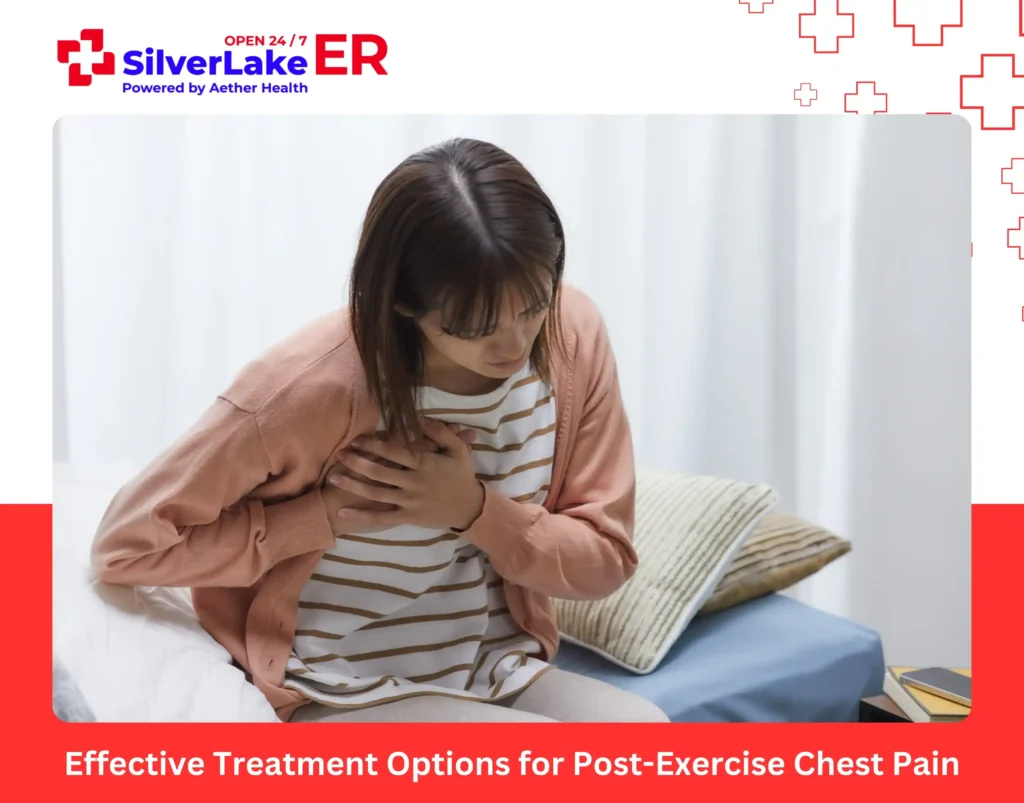
Different causes of post-exercise chest pain require different treatments. Here’s how to manage the most common ones:
For Muscular Chest Pain (RICE Method)
If your chest is sore after a workout due to muscle strain, focus on rest and recovery:
Rest: Stop activities that worsen pain for 3–5 days.
Ice: Apply ice for 15–20 minutes a few times daily for the first 48 hours.
Compression: Use light compression and maintain good posture.
Elevation: Sleep slightly elevated to reduce swelling.
Additional help: NSAIDs, gentle stretching once pain eases, gradual activity return, and physical therapy if symptoms linger. Recovery usually takes 3–7 days.
For Exercise-Induced Asthma
Doctors may prescribe a short-acting inhaler before exercise, long-acting medications for frequent symptoms, and breathing technique training to reduce flare-ups.
For GERD-Related Chest Pain
To manage GERD-related pain after exercise, avoid large meals before workouts, use OTC antacids, take H2 blockers or PPIs if needed, avoid trigger foods, and elevate your head while sleeping.
For Costochondritis
Costochondritis often improves with rest, anti-inflammatory medication, heat or ice, stretching, and posture correction.
Key Takeaway
Your heart won’t always give a second warning, so the safest approach is simple: never ignore chest pain after exercise. If you have cardiac risk factors or if the pain is severe, persistent, or accompanied by other warning symptoms let our medical team evaluate your condition.
ER Silverlake is equipped with 24/7 emergency care, advanced cardiac testing, and experienced physicians who can quickly assess your symptoms and provide immediate treatment. Your health is your most valuable asset, and at ER Silverlake, we’re committed to protecting it with expert emergency care.
FAQs
1. Is it normal for my chest to feel sore after working out?
Yes, mild soreness from muscle strain is common after chest exercises or new routines. Pain that feels sharp, heavy, or lingers longer than expected should be checked.
2. How long should chest pain after exercise last?
Typical muscle soreness lasts about 24–72 hours. If the discomfort continues past 4–5 days or steadily worsens, a medical evaluation is recommended.
3. Can anxiety cause chest pain during exercise?
Yes, anxiety can create tightness, rapid breathing, and chest discomfort during workouts. Because these symptoms can overlap with cardiac issues, it’s best to rule out other causes.
4. Should I stop exercising if I have chest pain?
If you have chest pain, shortness of breath, palpitations, or dizziness during exercise, stop right away. Get medical help promptly to rule out a serious cause.
5. Can exercise trigger heart failure?
Exercise doesn’t cause heart failure in healthy individuals. However, if someone already has undiagnosed heart disease, intense exertion can reveal or worsen symptoms. If exercise brings chest pain, breathlessness, or unusual fatigue, get evaluated.