
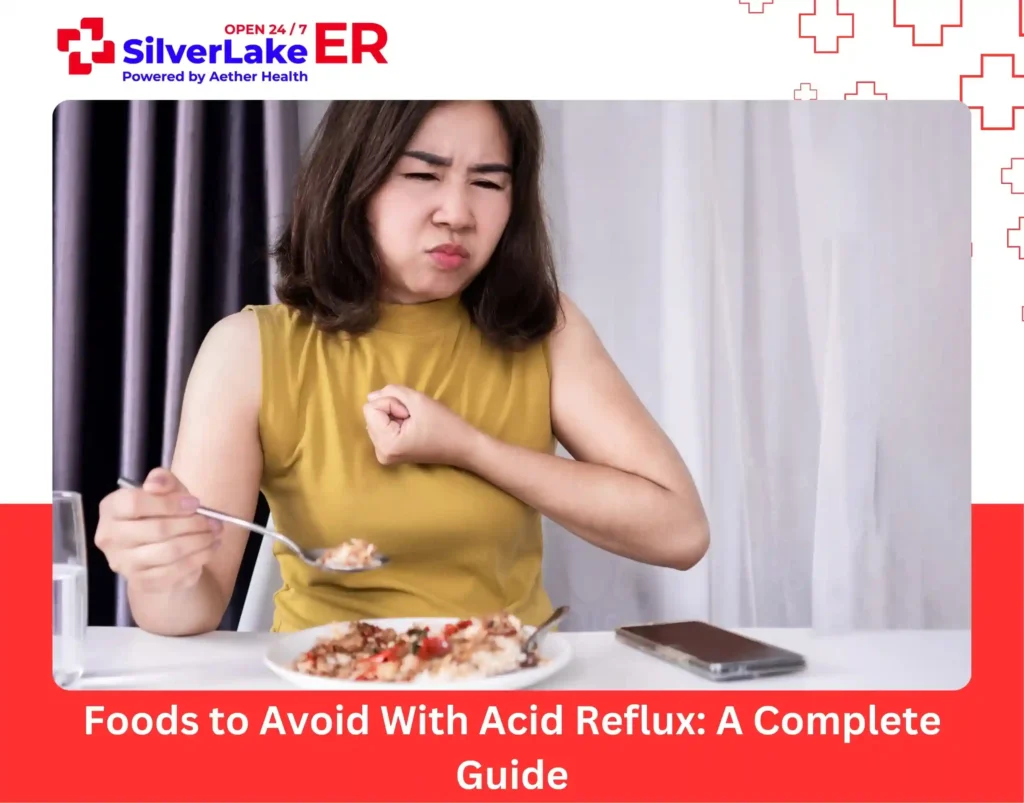
Acid reflux also called heartburn or GERD (gastroesophageal reflux disease) occurs when stomach acid backs up into your esophagus, causing that burning sensation in the chest or throat. Diet plays a major role in triggering acid reflux symptoms.
Certain foods can worsen or even provoke heartburn, while others may help reduce symptoms. Understanding which foods to avoid can make a big difference in managing discomfort and preventing flare-ups.
Why Food Choices Matter for Acid Reflux
When you eat foods that irritate the esophagus or relax the lower esophageal sphincter (LES), the valve that normally keeps stomach contents where they belong, acid reflux becomes more likely. Some foods are slow to digest which increase stomach pressure, or boost stomach acid production, all of which can push acid upwards into the esophagus.
Triggers are not the same for everyone and they are something you can identify well by keeping a food diary. Some people may also feel the gastric pain together with acid reflux which can result in a minor chest pain.
Foods To Avoid If You Have Acid Reflux

High-Fat & Fried Foods
Some of the most frequent triggers for reflux are greasy and fatty foods. They can Relax the LES and slow down digestion, which can cause food to push up against the esophageal valve. Examples include:
- French fries and fried snacks.
- potato chips and other deep-fried food.
- Fatty pieces of meat (such as bacon, sausage, marbled steak).
- Butter, cream and whole milk (previously used in high-fat dairy).
- Creamy sauces and dressings.
Acidic Fruits & Products
Fruits and juices may irritate the esophagus and cause heartburn: .
- Citrus fruits, including oranges, lemons, grapefruit and lime.
- Tomato (including sauce, salsa, ketchup).
Caffeine & Coffee
Both regular and decaf coffee, as well as some teas have been linked to acid reflux because they lead to increased acid in your stomach, which can relax the LES and facilitate reflux.
Chocolate
Chocolate has substances (such as methylxanthine) which can relax the LES and encourage reflux.
Alcohol & Carbonated Drinks
Alcohol relaxes the LES and increases acid production, while carbonation can raise stomach pressure and potentially make heartburn worse.
Spicy Foods
Chili powder, cayenne, hot sauce and other peppery seasonings can aggravate your esophagus and potentially cause heartburn.
Mint & Peppermint Flavorings
While mint can act as a digestive aide for some, in others it might relax the LES and cause reflux.
Onions & Garlic
While these tasty alliums may be harmless for most people, for some, they are known acid reflux triggers and can aggravate the lining of the lower esophagus.
Typical Drinks that Can Cause Reflux
Certain beverages are more likely to exacerbate symptoms of acid reflux:
- Coffee (caffeinated or decaf).
- Carbonated sodas and sparkling water.
- Alcoholic drinks (beer, wine, spirits).
- Citrus juices (orange, grapefruit, lemon).
- Tomato and vegetable juices.
Steer clear of these (or at least limit them) if you can identify a pattern with your symptoms.
Other Foods to Avoid With Acid Reflux
In addition to specific foods and drinks, there are other eating patterns and even ingredients that can exacerbate reflux.
- The more you eat, the fuller your stomach is likely to be, increasing stomach pressure and the risk of reflux.
- Eating too close to bedtime.
- Chips, cookies and greasy chocolate brownies .
A Diet Example to Stay Away From

Here is a general outline of common triggers of reflux:
- Fats & Fried Foods.
- Fries, onion rings.
- Fried chicken.
- Bacon, sausage.
- Cream sauces.
- Acidic Foods.
- Citrus fruits (grapefruit, oranges).
- Tomatoes & tomato sauce.
- Salsas & ketchup.
- Coffee & caffeinated tea.
- Soda & fizzy drinks.
Everyone’s body is different, so you may have your own triggers not represented here. A food diary will help you monitor which things are consistently proving problematic.
How to Stop Acid Reflux Naturally

Certainly the foods listed above can be common triggers, here are some ways to minimize symptoms beyond just steering clear of certain items:
Have Smaller Meals More Frequently
High volume meals place stress on both the LES and stomach, increasing the likelihood of reflux.
Don’t Eat 2–3 Hours Before Bed
Stomach contents are more likely to have had time to digest before you lay down, making the acid backup less likely.
Stay Upright After Eating
Gravity makes it easier to keep stomach acid in the stomach.
Choose Gentler Foods
Lean proteins, whole grains and non-citrus fruits can mitigate the acid but not so with acidic and fatty products.
A little heartburn from time to time is common, and can be easily gone for most people, especially after taking a few Tums or slugging some baking soda mixed with water.
But you should visit a doctor, especially if your symptoms are frequent and don’t improve with lifestyle changes, because chronic acid reflux can indicate that you have GERD.
In urgent situations where reflux is accompanied by severe chest pain, difficulty swallowing, coughing up blood, or unintentional weight loss, a visit to a 24/7 emergency room like SilverLake ER can provide immediate evaluation and care for serious symptoms.
Take Away
Avoiding certain foods and drinks can significantly reduce acid reflux and GERD symptoms. While triggers vary between individuals, common culprits include fatty foods, spicy dishes, acidic fruits and juices, caffeine, chocolate, alcohol, and carbonated beverages.
Eating smaller meals, avoiding late-night snacks, and choosing gentler foods can help manage symptoms and improve quality of life.
Frequently Asked Questions (FAQ)
1) What foods are most likely to worsen acid reflux?
Common offenders include fatty, fried, spicy, acidic foods, chocolate, caffeine, carbonated drinks, and alcohol.
2) Can citrus fruits trigger acid reflux?
Yes, citrus like oranges, lemons, and grapefruit are highly acidic and can worsen symptoms in many people.
3) Can I go to SilverLake ER 24/7 for severe reflux symptoms?
Yes, SilverLake ER in Pearland, TX is open 24 hours a day, 7 days a week and can evaluate severe or concerning acid reflux symptoms, including chest pain, vomiting, or difficulty swallowing.
4) Is coffee bad for acid reflux?
Coffee and other caffeinated drinks may trigger reflux for many people by relaxing the LES and increasing stomach acid.
5) Why does alcohol make acid reflux worse?
Alcohol relaxes the LES and increases stomach acid, both of which can contribute to acid reflux symptoms.