
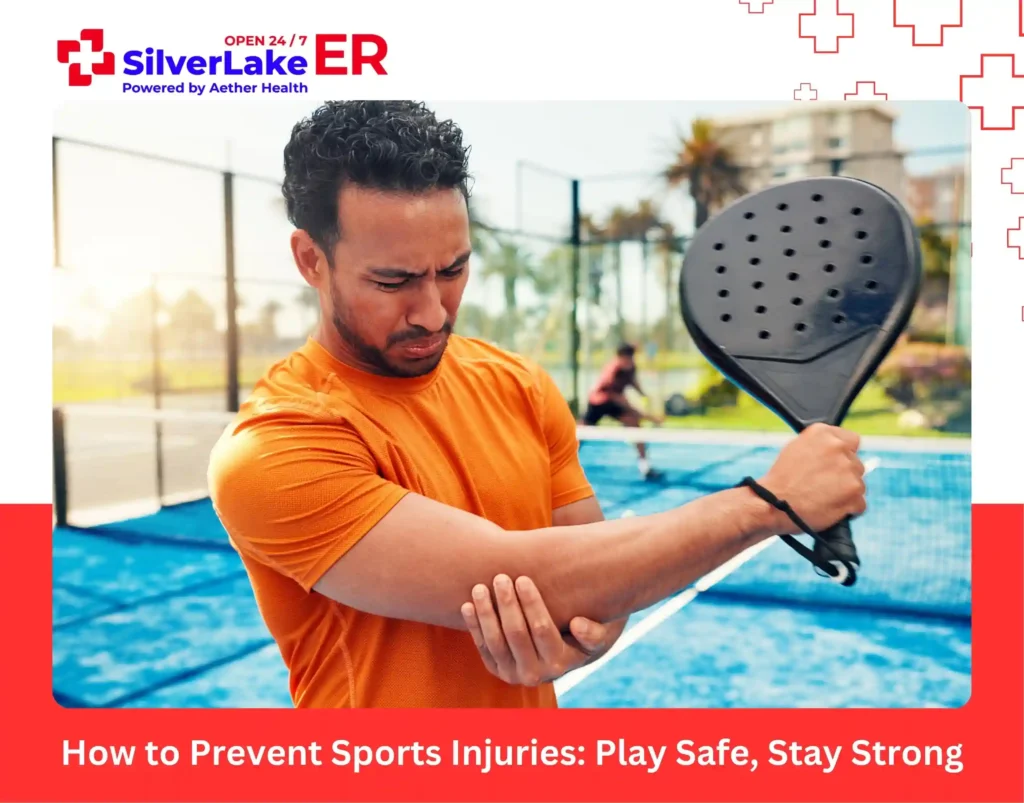
Whether you’re a weekend warrior, competitive athlete, or just enjoy keeping active, sports injuries can sideline your progress and impact your well-being. The good news? Most injuries are preventable with the right strategies.
Understanding how and why these injuries occur, and taking steps to reduce risk helps you stay active, improve performance, and enjoy your sport safely.
Why Prevention Matters
Sports injuries aren’t just painful, they can lead to time away from training, costly medical care, and long-term problems like chronic pain or weakness. Many common sports injuries, like sprains, strains, and overuse injuries stem from predictable causes such as poor technique, lack of conditioning, or sudden increases in activity.
Effective prevention protects your joints, muscles, and connective tissues and enhances athletic performance, endurance, and recovery.
How To Prevent Sports Injuries: The Most Effective Ways

1) Warm Up and Cool Down Properly
Warm Up
Warm-up also helps increase blood flow, raises muscle temperature, and prepares your nervous system for recruitment. Consider 5–10 minutes of light aerobic exercise, such as power walking, gentle jogging or cycling.
Then do dynamic stretching, sport-specific movements such as leg swings, arm circles or lunging to thoroughly prepare your muscles and joints.
Cool Down
Cooling down can help lower your heart rate and breathing back to baseline, and may also help loosen up any muscle stiffness. End workouts by cooling down with some light activity and static stretching in the muscles you used a lot.
Skipping warm up and cool down Not stretching (I’m really into dynamic stretching) is one of the biggest culprits in strains, pulls, or back injuries these days.
2) Gradually Increase Intensity
One of the biggest risk factors for injury is too much, too soon. Do not increase your intensity, duration or frequency of training more than 10% per week.
You also want to avoid the type of sudden increase in volume or intensity that causes your body to become shocked.
Fast increases overwork muscles, tendons and joints, increasing the risk of injury dramatically.
3) Focus on Strength and Conditioning
Stronger muscles provide more support to the joints and help to better absorb impact, lowering your chances of injury.
Key components:
Strengthen your core and improve your balance and posture. Also, your bard upper body for shielding your shoulders and back.
Adding resistance training 2–3 times a week can help promote balanced muscle growth and decrease your risk of muscle imbalances which cause injury.
4) Use Proper Technique and Form
Poor form is a frequent cause of preventable injuries. So learn correct form under the guidance of a coach or trainer, alongside practicing sport-specific skills regularly. You must also receive input on how you stand, sit, move, and use posture patterns.
Correct mechanics reduce strain on muscles and joints and enhance efficiency, stamina and safety.
5) Wear Appropriate Gear and Footwear
Using the right equipment matters, so ensure to wear:
- Appropriate equipment for the activity you are playing.
- Protective equipment/helmets, pads, mouth guards or braces.
- Well-fitted clothing that gives you full range of motion.
Proper footwear can correct imbalances and takes added stress off the ankles, knees, and hips. By wearing protective equipment, the chance of injury due to an impact is greatly reduced.
6) Listen to Your Body
Pain is not just a bother, it’s a signal, so don’t ignore nagging aches and sharp pain during activity.
- Take rest days when needed.
- Ease back on activity if pain persists beyond a day or two.
- If you have substantial pain or physical limitations, get evaluated sooner.
Forcing yourself through pain can make a small issue worse and end up as a chronic injury.
7) Stay Flexible With Stretching

The ideal fit also helps maintain joint flexibility and allows you to relax tight muscles.
Try:
- Static stretching after activity.
- Yoga or mobility classes.
- Foam rolling for muscle release.
Balanced flexibility training helps to keep muscles long and supple, decreasing our risk of strain or spasm.
8) Cross-Train to Avoid Overuse Injuries
Practicing only one sport or move can lead to overuse injuries, such as tendonitis, stress fractures and bursitis.
Cross-training ideas:
- Swimming for impact-free conditioning.
- Cycling for aerobic endurance.
- Classes for full body strength to keep the muscles balanced.
Cross-training also jostles muscle groups that you generally work less intensely, while giving the primary movers a break from repetitive stress.
9) Proper Hydration and Fueling of Your Body
By inducing muscle fatigue more rapidly and sapping recovery, dehydration and poor nutrition only add to one’s injury risk.
Hydration tips:
- Contact between high-alcoholic wipes and your skin; these are not drinkable and should only be used prior to, during, or after activity.
- Add electrolytes on hot days/long workout.
Nutrition tips:
- Lean proteins for muscle repair.
- Complex carbs for sustained energy.
- Fruits and vegetables for micronutrients.
10) Rest and Recovery Are Essential
Rest is not rest but part of the training.
- Make sure to have at least one day of rest time a week.
- Try to get 7-9 hours of sleep per night.
- Incorporate recovery aids such as compression gear or massage to help decrease inflammation.
- With no rest, fatigue accumulates and injury risk rises.
- If prevention doesn’t work: Get evaluated in the nearest urgent care
Even the best precautions can fall short, so injuries do occur. Consult with a doctor if you have:
- Severe pain or swelling.
- Limited range of motion.
- Pain that won’t go away after a few days.
- Joint instability or locking.
- Numbness or tingling.
Summary: How to Prevent Sports Injuries
- Warm up & cool down properly
- Increase intensity gradually
- Strengthen muscles & condition body
- Learn and practice proper technique
- Wear sport-appropriate gear
- Listen to your body
- Maintain flexibility
- Cross-train to reduce repetitive stress
- Hydrate and fuel your body
- Prioritize rest and recovery
Incorporating these habits into your training routine reduces your risk of injury and helps you perform at your best.
Frequently Asked Questions (FAQ)
1) What’s the most common way athletes get injured?
Sprains and strains from sudden movements or overuse are among the most common sports injuries.
2) Is stretching before exercise necessary?
Yes. Dynamic stretching during warm-ups prepares muscles for activity and helps reduce the risk of injury.
3) How often should I rest?
Include at least one rest day per week and pay attention to signs of fatigue, rest is crucial to recovery and injury prevention.
4) Should protective gear be worn for all sports?
Yes. Sport-specific protective gear like helmets, pads, or mouthguards reduces the severity and risk of injuries in high-impact activities.
5) Can dehydration increase injury risk?
Yes, dehydration affects muscle performance and coordination, making injuries more likely during activity.