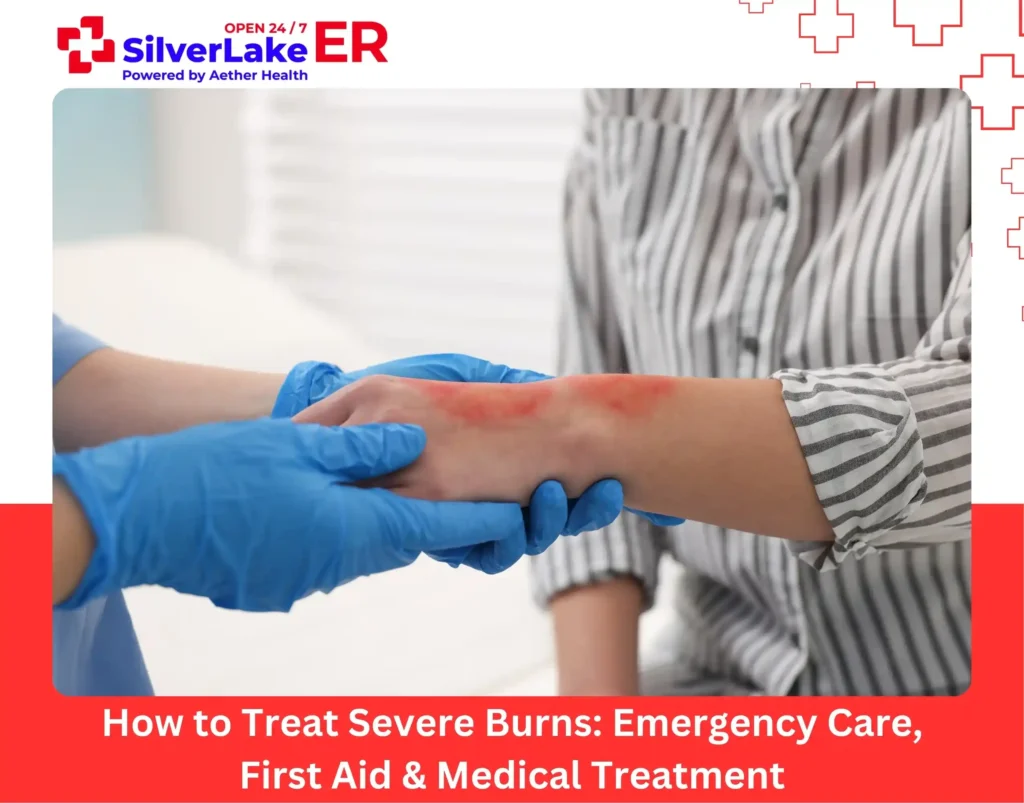
Severe burns are medical emergencies that can cause deep tissue damage, fluid loss, infection, and even organ failure if not treated quickly. Knowing how to respond immediately and what happens during medical treatment can save lives and reduce long-term complications.
This detailed guide explains how to treat severe burns step by step, from first aid to emergency room and hospital care.
What Is a Severe Burn?
A severe burn also known as a major burn is an injury that causes deep and extensive damage to the skin and underlying tissues. Unlike minor burns that affect only the outer layer of skin, severe burns can penetrate deeper layers, including the dermis, muscles, nerves, and even bones in extreme cases.
This level of damage disrupts the skin’s ability to protect the body, regulate temperature, and prevent infection.
Severe burns are generally classified as third-degree (full-thickness) or fourth-degree burns, they include:
- Burns that go through deep layers of skin.
- Large-area burns of the body.
- Burns of sensitive areas such as the face, hands, feet, or genitals.
- Electrical or chemical burns.
These burns are especially serious because they can involve not only the skin but also muscles, nerves and internal organs. The body can often lose fluids quickly, raising the risk of shock and infection.
How To Treat Severe Burns Effectively
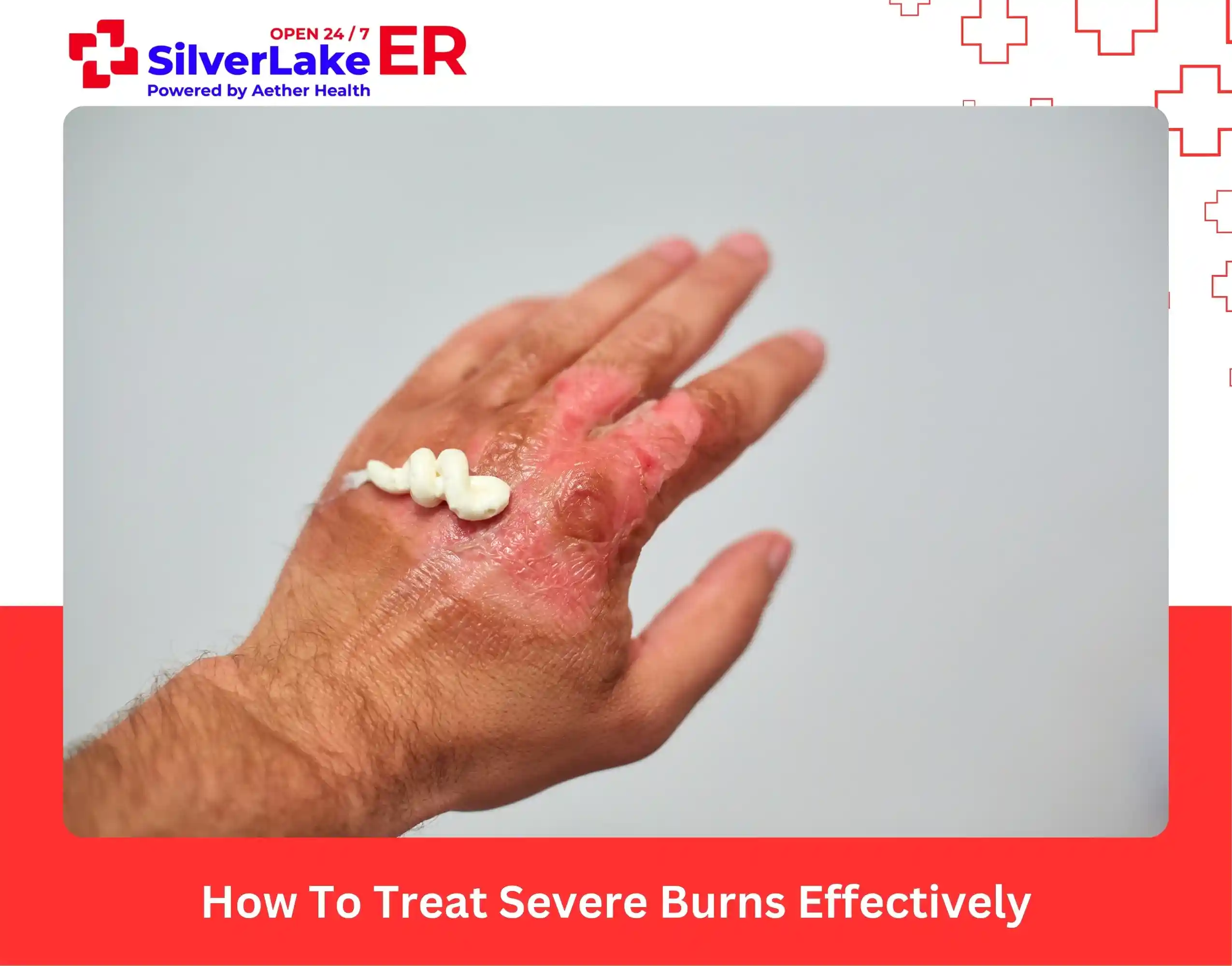
Step 1: Ensure Safety and Stop the Burning Process
The immediate priority is to move away from the cause of the burn and stop further damage.
- Remove the person from flames, heat or chemicals.
- Switch off electric sources before touching a victim.
- Do not put yourself in danger trying to rescue someone.
This step is important because the burn can continue damaging tissue long after contact, such as in cases of chemical or electrical burns.
Step 2: Assess Breathing and Responsiveness
If burns are severe enough, they can interfere with breathing, particularly if caused by fire or smoke inhalation.
- Assess whether the person is breathing normally or having breathing difficulty.
- Look for indicators such as the chest rising and falling or airflow.
- Start rescue breaths or CPR, if trained.
People with burn injuries may also have suffered airway injury, which can rapidly become life-threatening.
Step 3: Remove Tight Items Before Swelling Starts
Burned areas swell rapidly, which can restrict blood flow and worsen injury.
- Remove rings, belts, watches, or tight clothing.
- Do this quickly but gently.
- Do NOT remove clothing stuck to the burn.
That swelling can occur within minutes, so early removal prevents complications, such as circulation blockage.
Step 4: Cover the Burn Properly
Care of the burn is needed to prevent infection and pain relief.
- Cover with clean gauze or cloth.
- Keep it loose (not tight).
- Do not use creams, oils or ice.
Step 5: Elevate the Burned Area
If possible, raise the burned area above the level of the heart.
- Helps reduce swelling and fluid buildup.
- Improves blood circulation.
- Minimizes tissue damage.
This step is especially helpful for burns on arms or legs and should be done carefully without causing additional pain.
Step 6: Look for Signs of Shock
Severe burns can lead to shock, a life-threatening condition caused by loss of fluid and trauma.
Signs of Shock:
- Pale or clammy skin.
- Weak pulse.
- Rapid breathing.
- Dizziness or confusion.
If shock occurs:
- Lay the person flat.
- Raise legs slightly (if not injured).
- Keep them warm.
If left untreated, shock can be fatal, so monitoring is very important.
Step 7: Seek Emergency Medical Help Immediately
Severe burns always require professional care.
Call emergency services or the nearest 24/7 emergency room if the burn:
- Is deep or large.
- Covers major body areas.
- Is caused by electricity or chemicals.
- Shows signs of infection or breathing issues.
Hospital or Emergency Room Treatment for Severe Burns
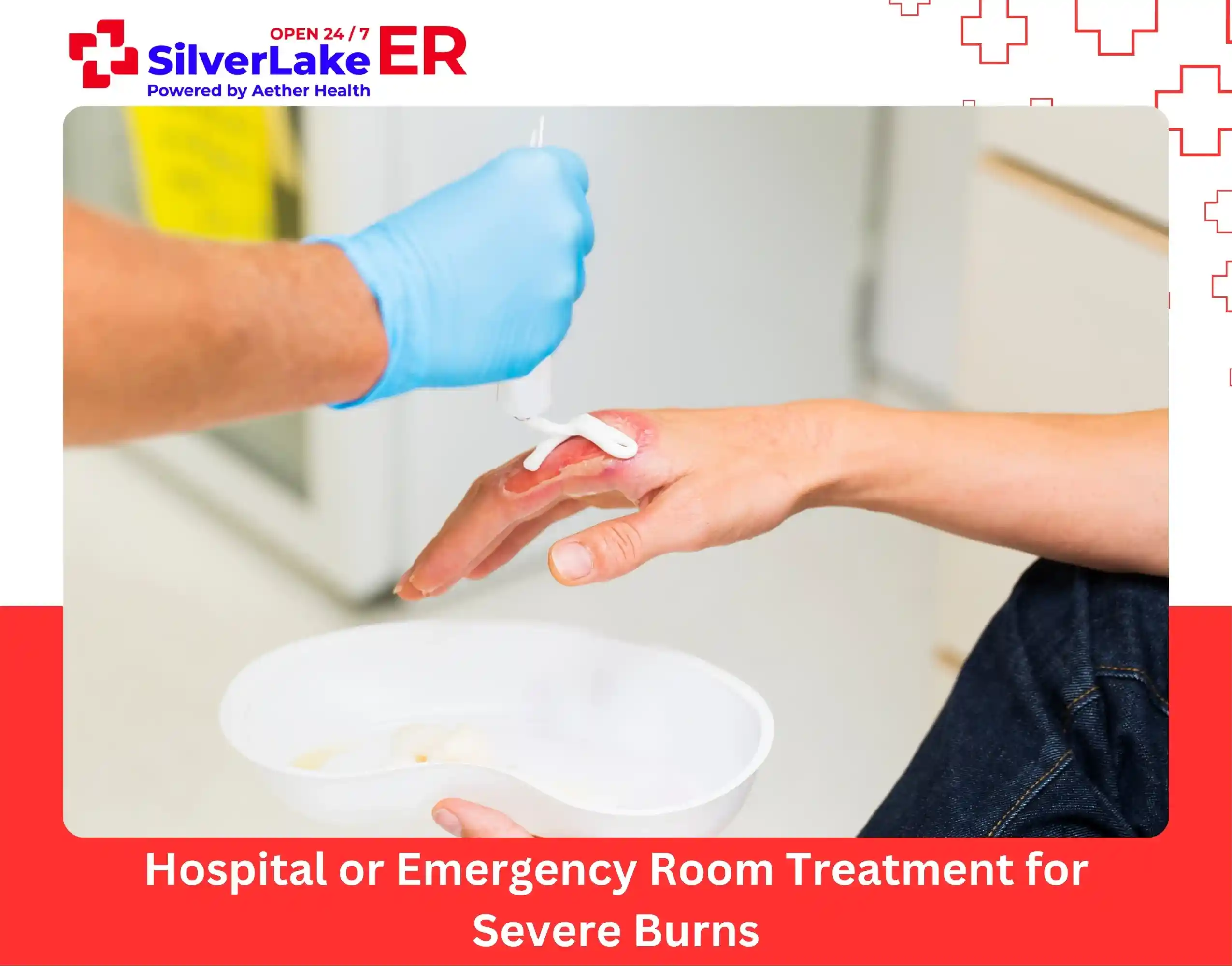
Once a burn victim with severe injuries arrives in the hospital or an emergency room for urgent care, doctors start high-level and specialized treatment, stabilizing the patient, preventing complications and encouraging healing. Treatment typically consists of multiple steps based on the burn’s severity and location, including:
Fluid Resuscitation
Severe burns cause the body to lose considerable fluids over damaged skin. If left untreated, this can rapidly escalate to dehydration, low blood pressure and even organ failure.
To address this, doctors immediately begin fluid replacement:
- Patients are given IV (intravenous) fluids directly into the bloodstream.
- This helps maintain stable blood pressure.
- It ensures vital organs like the brain and kidneys continue to function properly.
- It reduces the risk of shock caused by fluid loss.
Pain Management
Burn injuries are harmful and the pain can be intense, including in neighboring areas of nerves that remain active. Pain management is crucial, not only for comfort but also for healing.
Doctors may use:
- Powerful pain-killing drugs like morphine.
- Anxiolytics drugs that lessen anxiety and help the patient remain calm.
- Continued monitoring to titrate pain control as needed.
- Effective pain control enables patients to withstand treatment and promotes healing.
Wound Cleaning and Debridement
All burn wounds must be cleaned thoroughly to remove dirt, bacteria and dead tissue. If not treated, dead tissue can cause serious infections.
Treatment includes:
- Cleaning the burn to their best with sterile solutions.
- Use of specialized techniques, such as water-conscious cleansing or minor surgical acts.
- Salvaging the affected tissue through debridement, or removal of dead or damaged tissue.
This step helps to create a clean skin so that the healing can be properly done and lowers chances of complexities.
Infection Prevention
The skin is damaged so the body loses its natural barrier to bacteria. This renders burn patients extremely susceptible to infections.
To prevent this, doctors:
- Apply antibiotic creams or ointments to the wound.
- Use sterile dressings that are changed regularly.
- Prescribe IV antibiotics if there are signs of infection.
Infection prevention is one of the most critical components of burn care.
Specialized Dressings
The protective skin around a burn wound must be specially covered in ways that maintain the healing process and prevent further injury to that area.
Doctors use advanced dressings that:
- Keep the wound hydrated, which aids in faster skin healing.
- Shield the region against bacteria and external injury.
- Decrease pain by covering over exposed nerve endings.
- Help minimize scarring over time.
These dressings are categorized depending on the type and degree of burn.
Skin Grafting (For Severe Cases)
In deep burns, the skin is so damaged that it cannot heal itself. In these cases, a procedure called skin grafting is needed.
This involves:
- Transferring healthy skin from another area of the patient’s body or from a donor.
- Offering it as a blanket over the charred ground.
- Working to restore function and aesthetics.
For larger or deeper burns, skin grafting is sometimes required for proper healing.
Long-Term Rehabilitation
Recovery from severe burns doesn’t stop after the initial treatment. They often need long-term care before normal function and appearance can return.
Rehabilitation may include:
- Exercises to increase movement and flexibility.
- This is not an exhaustive list of treatments to reduce and manage scarring.
- Psychological and emotional support for trauma coping.
This stage is pivotal in reintegrating patients back to their daily routines and maintaining quality of life.
What NOT to Do for Deep Burns
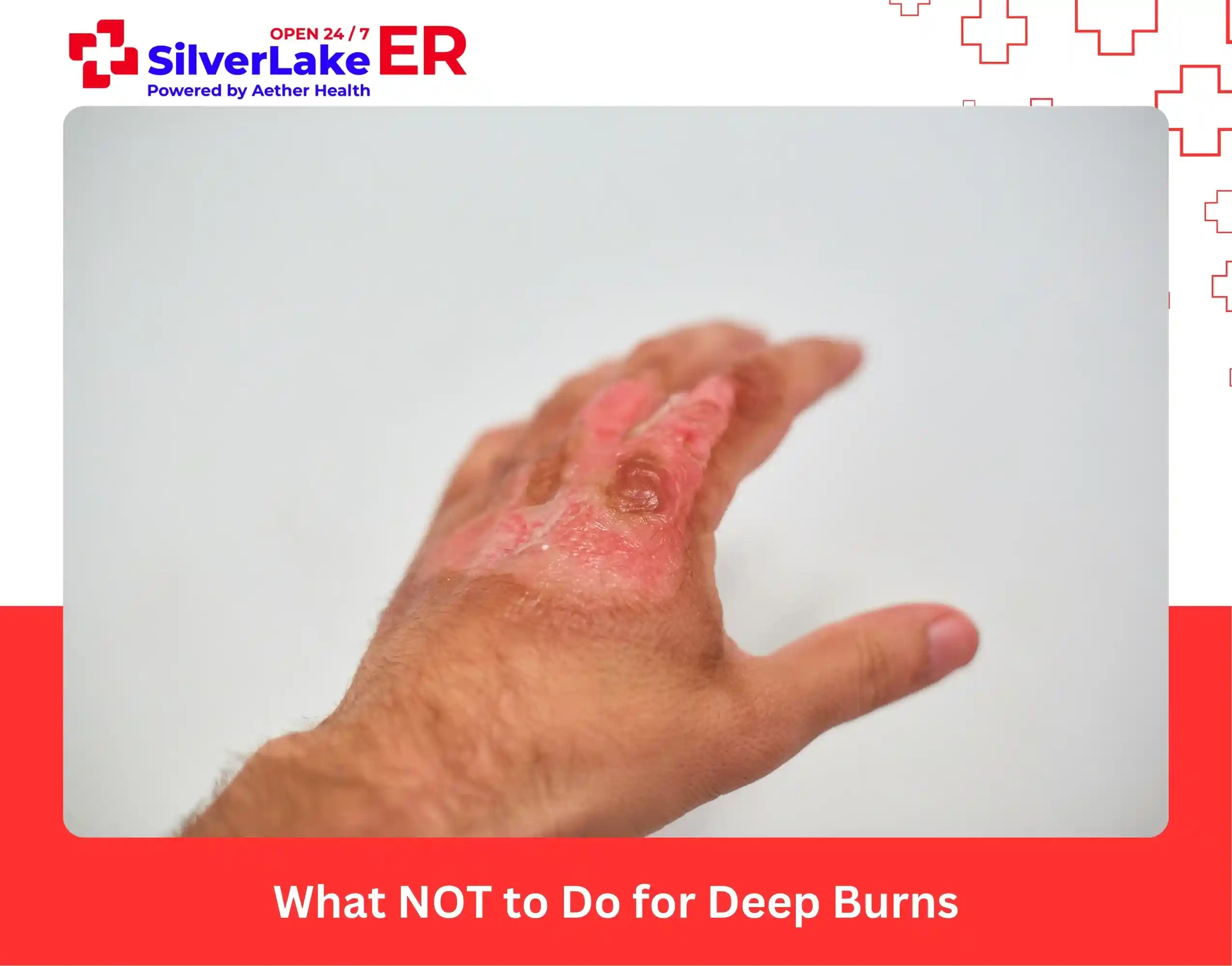
Some common mistakes can exacerbate burns or postpone appropriate care. It is important to avoid the following actions:
- Avoid putting ice directly, as it can further damage the skin.
- Do not pop blisters, as this increases the risk of infection.
- Do not remove clothing adhering to the burn, as this can cause further injury.
- Avoid home remedies such as butter or greasy substances as they may trap heat and exacerbate burns,
- Do not delay medical treatment, particularly for severe burns.
Final Thoughts
Severe burns are serious medical emergencies that require immediate action and professional care. The first few minutes after injury are critical. Proper first aid can reduce damage, prevent complications, and improve survival.
To avoid fatal injuries, you must protect, cover, monitor, and seek emergency help immediately. Indeed, understanding how to treat severe burns can make a life-saving difference when it matters most.
FAQs
1) What is the first step in treating severe burns?
The first step is to remove the source of the burn immediately and make sure the person is safe from further injury before providing any first aid.
2) Should you put water on a severe burn?
You should avoid soaking severe burns in water. Instead, gently cover the burn with a clean cloth or dressing and seek medical help as soon as possible.
3) Can severe burns heal on their own?
No, severe burns usually cannot heal on their own and often require professional medical treatment, including possible surgery or skin grafting.
4) What is the biggest risk with severe burns?
The most serious risks include infection, significant fluid loss, and shock, all of which can become life-threatening without proper treatment.
5) When should you go to the ER for a burn?
You should go to the ER immediately if the burn is deep, covers a large area, or affects sensitive parts of the body like the face, hands, or joints.