Recognizing breathing difficulties in a baby can feel frightening, especially because infants can deteriorate much faster than older children. As a pediatric emergency care expert, we’ve seen how early detection makes a critical difference. Babies can’t express what they feel, so their bodies communicate distress through very specific physical signs.
When parents know what to look for, they can act quickly and prevent a mild issue from becoming a life-threatening emergency. So, let’s walk you through the most important symptoms to watch for, so you can protect your child’s breathing health with confidence and clarity.
What Is Respiratory Distress in Babies?
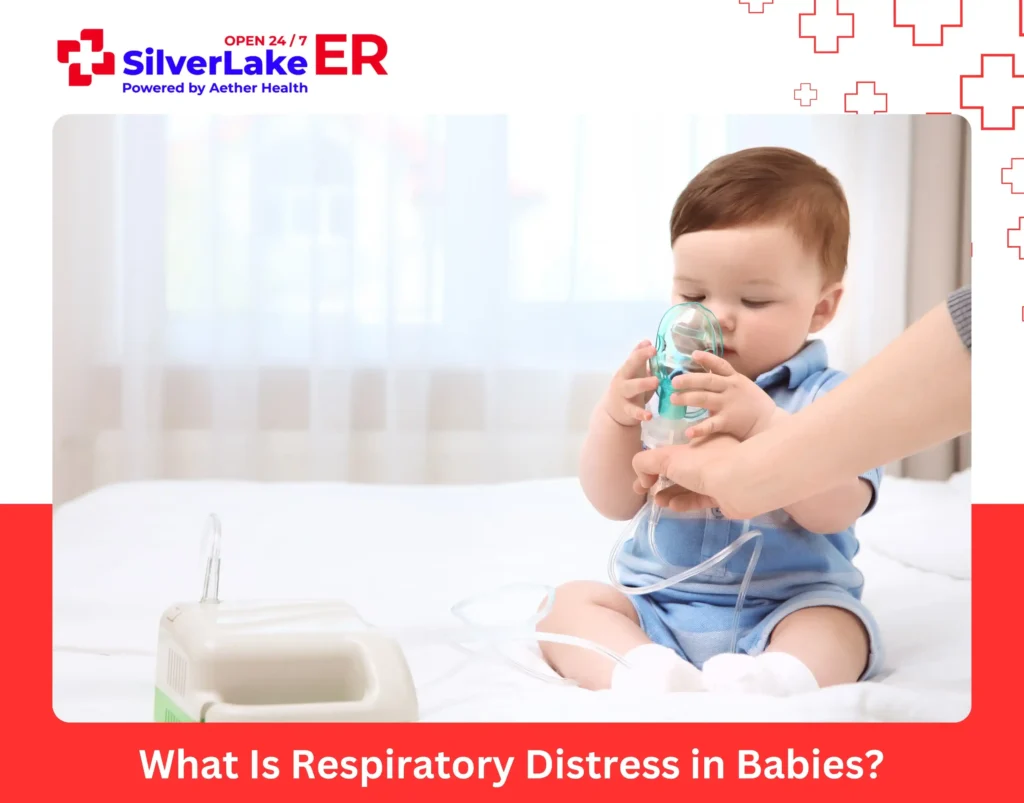
Respiratory distress means a baby cannot breathe comfortably or efficiently enough to meet their oxygen needs. In newborns and infants, immature lungs and airways increase vulnerability to breathing issues. When normal breathing is disrupted, the body displays visible signs, such as rapid breathing, retractions, or flaring nostrils.
From a clinical standpoint, respiratory distress is not a single condition but a critical symptom associated with multiple causes. These include viral infections such as RSV or influenza, pneumonia, asthma-like reactions, choking hazards, congenital lung issues, or severe allergic reactions.
Because babies cannot verbalize discomfort and their oxygen levels can drop quickly, healthcare professionals treat any suggestion of breathing difficulty as a high-priority concern.
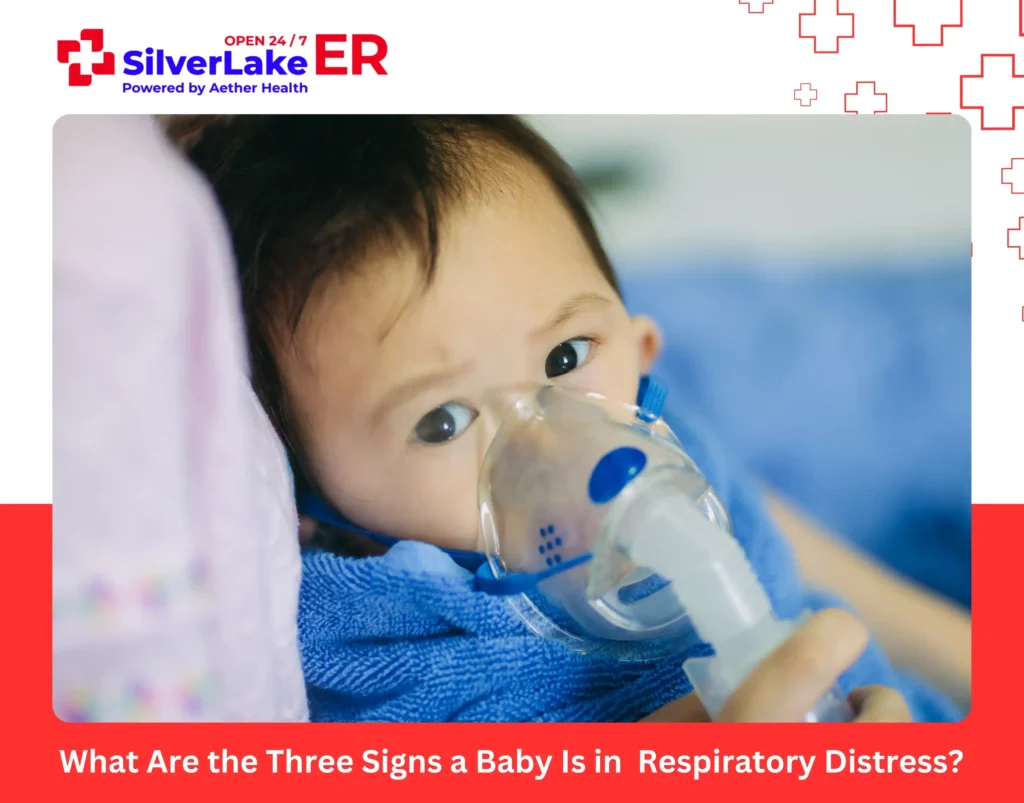
What Are the Three Key Baby Respiratory Distress Symptoms?
Major signs of respiratory distress in babies include labored breathing, changes in skin color, and chest retraction. These signs enable caregivers to distinguish between normal congestion and a true emergency. Let’s explore each in detail:
1. Rapid or Labored Breathing (Tachypnea)
A quicker breathing pace is often the first warning. The baby’s chest may rise and fall rapidly, or breathing may interrupt feeding. Persistent rapid breathing shows the lungs are working unusually hard.
2. Chest Retractions & Nasal Flaring
Retractions are when the skin pulls in around the ribs, collarbone, or under the breastbone as the baby breathes. This means extra effort is needed to expand the lungs. Visible retractions are a significant warning and require prompt evaluation.
Flaring nostrils show that a baby is trying to increase airflow with each breath. Grunting is another serious symptom, it’s the baby’s attempt to keep air in the lungs longer to improve oxygen exchange. Both signs often appear together in moderate to severe respiratory distress.
3. Color Changes (Pale or Bluish Skin, Lips or Nail Beds)
Low oxygen may cause the baby’s skin, lips, or nails to turn pale, gray, or blue, especially around the mouth and extremities. These changes mean urgent medical help is needed.
Additional Warning Signs to Watch For
Some symptoms may not appear as breathing changes at first, but still indicate rising distress. These warning signs often accompany serious respiratory illness and should prompt immediate evaluation.
- Poor Feeding: Babies with breathing trouble often struggle to eat, losing coordination between sucking, swallowing, and breathing. Refusal to feed or reduced intake may signal respiratory distress.
- Lethargy or Unusual Fussiness: A sudden drop in energy, excessive sleepiness, or irritability can reflect low oxygen levels or worsening illness. These behavioral changes often precede the development of severe symptoms.
- High Fever in Young Babies: A high fever in infants, especially those under three months old, could signal an infection affecting breathing. Any fever at this age requires prompt evaluation.
When to Take Baby to ER for Breathing Troubles
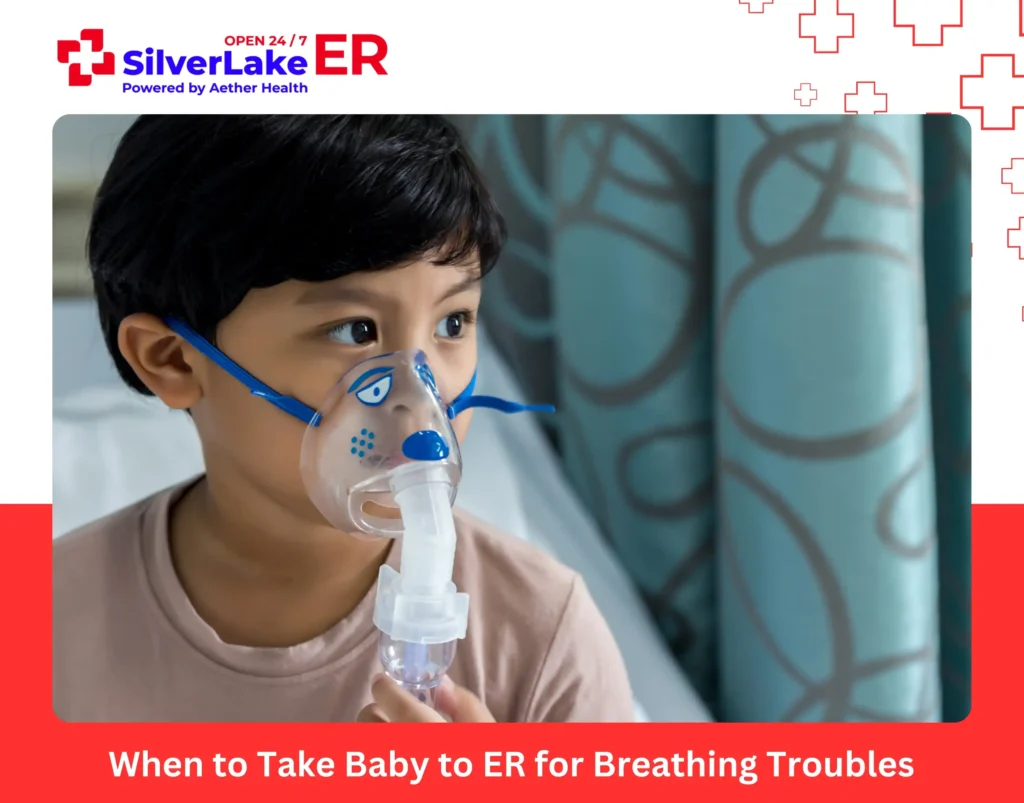
Parents should act quickly when certain symptoms indicate a dangerous drop in oxygen or a rapidly progressing respiratory illness. These signs require immediate emergency care and should never be monitored at home.
- Severe Retractions: If the skin pulls deeply between or under the ribs, or at the base of the neck, with each breath, the baby is working very hard to breathe. This urgent warning requires emergency attention.
- Bluish Skin or Lips: Blue or gray discoloration around the lips, tongue, or face indicates dangerously low oxygen levels. Treat this as an emergency and seek care immediately.
- Very Fast or Labored Breathing: Breathing much faster than usual, struggling to breathe, or an inability to cry or feed due to rapid breathing can signal respiratory failure. Immediate doctor evaluation is required.
Why Early Recognition Matters
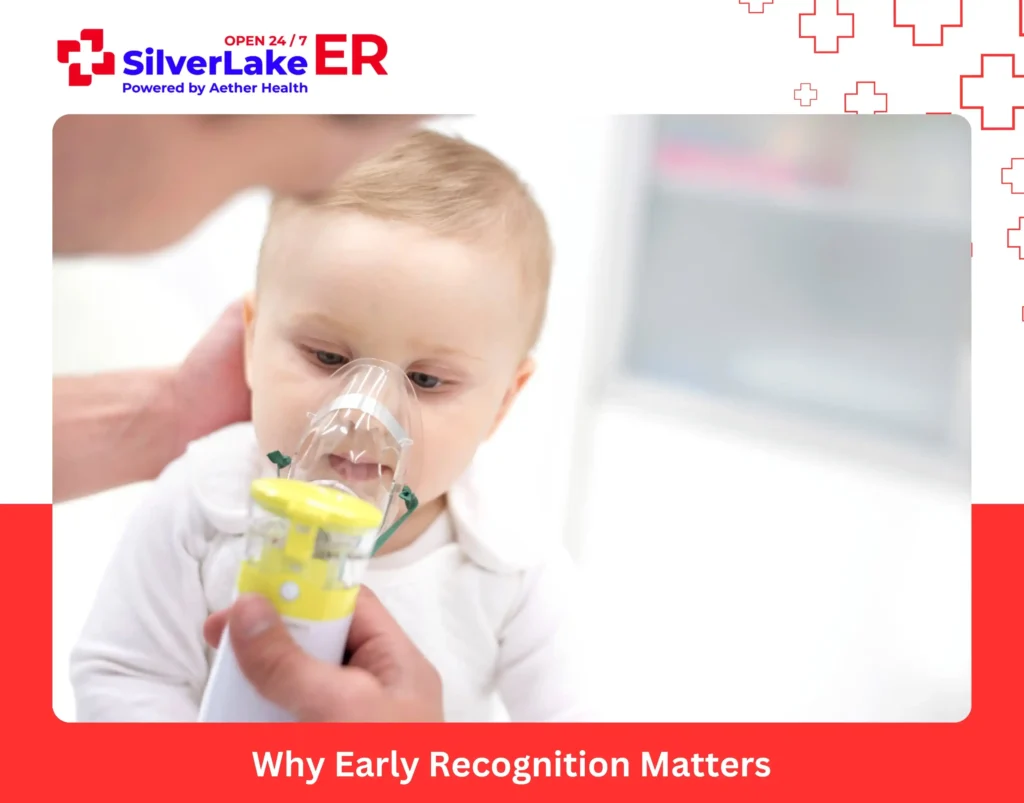
Early detection of respiratory distress enables prompt interventions like oxygen or airway support. A delayed response can lead to low blood oxygen levels and severe complications. Immediate recognition and treatment improve outcomes, especially in vulnerable newborns and preterm infants.
Conclusion
Spotting signs of respiratory distress can be life-saving. Unusual breathing, visible chest effort, or changes in skin color indicate the body is working hard to get oxygen. Since babies can deteriorate rapidly, trust your instincts and seek care promptly. If emergency signs such as blue coloring, severe retractions, or rapid breathing occur, visit our ER immediately for expert care.
Frequently Asked Questions
1. What is considered normal breathing for a newborn?
Newborns breathe about 30–60 times per minute at rest. Breaths should be regular, easy, and with minimal chest movement. A consistently higher rate, irregular breathing, or increased effort may indicate a problem.
2. How can I tell if my baby is struggling to breathe?
Signs of breathing difficulty include rapid breathing, chest retractions (skin pulling in around the ribs or collarbone), nasal flaring, grunting, or unusual pauses between breaths. These indicate that the baby is working harder to get enough oxygen.
3. When should I take my baby to the emergency room?
Go to the ER immediately if your baby shows severe retractions, bluish or gray skin or lips, very fast or labored breathing, or if they are unusually lethargic, refusing to feed, or inconsolable. These are red flags for serious respiratory distress.
4. Can minor colds or congestion cause respiratory distress?
Mild congestion usually does not cause distress, but in very young infants, even minor infections can affect breathing. Always monitor your baby closely and seek medical attention if you notice rapid breathing, retractions, or changes in color.
5. Are some babies more at risk for respiratory distress than others?
Yes, premature infants, babies with congenital lung or heart conditions, or those with a history of infections are at higher risk. Caregivers should be extra vigilant with these infants and seek early medical advice if any breathing changes occur.