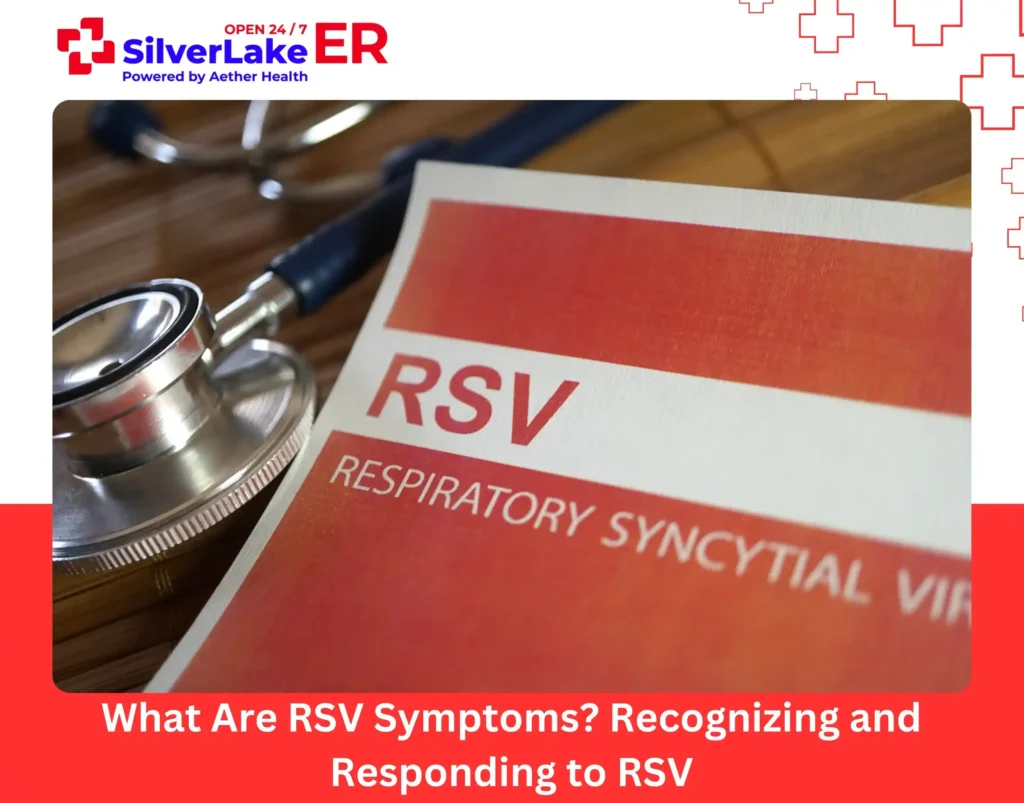
Respiratory Syncytial Virus (RSV) is a common respiratory infection that affects people of all ages, but particularly infants, young children, older adults, and people with certain health conditions. While many cases are mild, RSV can sometimes lead to serious illness.
Understanding its symptoms, warning signs, and how it behaves across age groups can help you respond promptly and appropriately.
What Is RSV?
RSV is a virus that infects the respiratory tract — the nose, throat, airways, and sometimes the lungs.
- Nearly all children will have had an RSV infection by the age of two.
- While many cases result in mild, cold-like illness, RSV is also a leading cause of hospitalization among infants and older adults in the U.S.
- Because the virus spreads easily, via droplets from coughs or sneezes, contaminated surfaces, or close contact, it tends to circulate widely during fall and winter months, when indoor crowding increases.
Given its prevalence and potential to cause severe disease, especially in vulnerable individuals, it’s important to recognize the symptoms and know when to seek care.
Typical RSV Symptoms: What Most People Experience
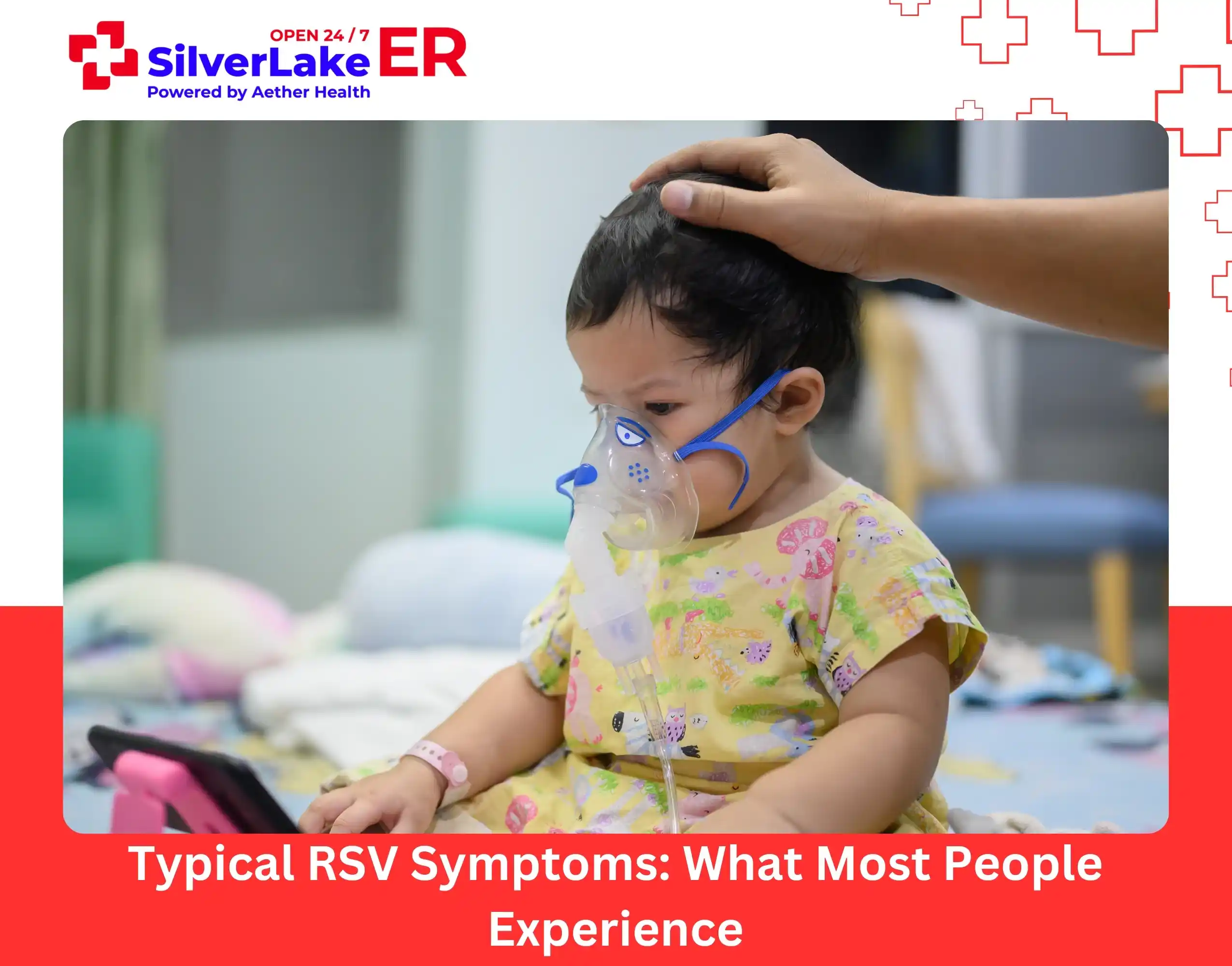
In many cases, RSV begins with symptoms similar to a common cold. The onset usually appears 4 to 6 days after exposure.
Common early-mild symptoms of RSV in older children and adults include:
- Runny or stuffy nose
- Sneezing
- Congestion
- Sore throat
- Dry or mild cough
- Low-grade fever
- Headache
- Mild fatigue or feeling unwell
Because these symptoms overlap heavily with other respiratory viruses like common cold, flu, and even COVID-19, RSV may be mistaken for them. This is why testing is often needed for accurate diagnosis.
For many healthy older children and adults, this mild form of RSV resolves within a week or two with rest, hydration, and over-the-counter symptom management.
RSV in Infants & Young Children: Watch Closely for Warning Signs
Infants, especially those under 6 months, and young children are at the highest risk of developing severe RSV illness. Because their airways are small and their immune systems still developing, the virus can more easily descend into the lower respiratory tract, causing more serious conditions.
Common RSV Symptoms in Babies/Young Children:
- Runny or stuffy nose
- Sneezing
- Mild cough
- Mild fever
- Decreased appetite or refusal to feed
- General fussiness or irritability
- Poor activity or lethargy
But RSV in infants often doesn’t follow the “common cold” pattern. Instead, things may worsen quickly as the virus spreads deeper in the lungs.
Warning Signs of Severe RSV (Seek Medical Care Immediately):
- Wheezing or noisy breathing
- Rapid or difficult breathing
- Breath-holding spells or pauses (apnea)
- Chest retractions — when the skin between ribs or under the ribs pulls in during breaths
- Nasal flaring (nostrils widening when breathing)
- Blue lips or skin — a sign of low oxygen (cyanosis)
- High fever or fever persisting >3–5 days
- Very poor feeding or dehydration (few wet diapers, very dry mouth)
- Extreme irritability, lethargy, or unresponsiveness
Because of these risks, RSV is the leading cause of bronchiolitis and pneumonia in children under 1, and often requires hospital care, especially in premature infants or those with other health issues.
RSV in Adults & Older Adults
While RSV is often thought of as a childhood illness, adults, especially older adults and those with underlying conditions, can also get RSV. In them, infection frequently resembles a mild cold or sinus infection. Common symptoms may include runny nose, cough, sore throat, and low-grade fever.
Still, about 10–20% of adult RSV cases can progress to lower respiratory tract disease, such as bronchitis or pneumonia, especially in seniors or those with chronic heart or lung disease.
Warning signs in adults that require medical evaluation include:
- Shortness of breath or difficulty breathing
- Wheezing or persistent, worsening cough
- Chest tightness or pain
- High or persistent fever
- Confusion, extreme fatigue, or lightheadedness
Because symptoms overlap with flu and COVID-19, RSV infections in adults are often underdiagnosed. That is why many hospitals now use multi-virus panels to test for RSV, flu, COVID, and other pathogens simultaneously.
Timeline — From Exposure to Illness to Recovery
Here’s a typical RSV timeline many people experience:
- Incubation period (exposure to symptoms): ~4–6 days
- Early symptoms (upper respiratory): runny nose, sneezing, congestion, mild cough
- After 2–3 days: cough may worsen; fever may develop; congestion may increase
- If RSV spreads to lower airways: wheezing, rapid breathing, difficulty breathing — more common in babies/ infants
- Duration: for mild cases, 7–14 days. Cough may persist longer. Severe cases (especially in infants/older adults) can last 2–3 weeks, or longer if complications such as pneumonia occur.
Because of reinfections (people can catch RSV multiple times in life), symptoms vary — a second or third infection is often milder in healthy adults, but may still be dangerous in vulnerable people.
When to Seek Medical Care or Emergency Help
Because most RSV cases resolve on their own, home care and monitoring are often enough. Still, some situations require immediate medical attention. You should seek care if:
- Difficulty breathing or rapid breathing
- Persistent high fever
- Wheezing or labored breathing
- Not drinking enough fluids / signs of dehydration
- Bluish skin, lips or nails (cyanosis)
- Infant with poor feeding, lethargy, or severe irritability
- Older adult or adult with chronic heart/lung disease showing worsening symptoms
- Confusion, severe weakness, or fainting
If any of these occur, especially in a baby, young child, or older adult, prompt evaluation in a clinic or hospital is important. Early treatment and monitoring may prevent severe complications like pneumonia or respiratory failure.
How RSV Is Diagnosed and Confirmed
Because RSV symptoms overlap with colds, flu, and other viruses, diagnosis often requires testing:
- Nasal or throat swab — rapid antigen or molecular (PCR) testing can confirm RSV.
- In severe or complicated cases (e.g., suspected pneumonia), doctors may order a chest X-ray or oxygen level monitoring.
Because reinfection is common and immunity not lifelong, many people may catch RSV multiple times.
How to Manage Mild RSV at Home (Supportive Care)
Most healthy children and adults with mild RSV recover at home in 7–14 days with supportive care. Recommended home care includes:
- Stay well hydrated — drink plenty of fluids
- Use saline nasal drops or spray and gentle suction for infants
- Use a humidifier to ease breathing and congestion
- Rest and avoid strenuous activity
- Use age-appropriate fever reducers (like acetaminophen or ibuprofen). Avoid giving aspirin to children
- Keep infants upright during sleep if congested, but monitor for breathing difficulties
- Avoid exposure of infants, older adults, or immunocompromised people to crowds or sick individuals
Watch carefully for worsening symptoms, especially breathing or feeding issues. If they appear, seek medical care promptly.
Prevention and Protection
Because RSV spreads easily from person to person via droplets and contaminated surfaces, prevention is key. Strategies include:
- Frequent hand washing, especially after contact with sick people or shared surfaces
- Avoid close contact with people showing symptoms of a cold or respiratory illness
- Clean and disinfect shared surfaces and toys
- Avoid sharing cups, utensils, or bottles, especially in daycare settings
- Keep babies, premature infants, and older adults away from crowded or high-risk environments during RSV season
Vaccination & Antibody Protection:
- RSV vaccines are now available for older adults and some high-risk adults. This helps reduce severe illness and hospitalization.
- For infants at high risk (premature birth, heart/lung conditions), doctors may recommend monoclonal antibodies (e.g., palivizumab or newer options) to prevent severe RSV disease.
Because RSV does not give long-lasting immunity — reinfections are common — these preventive tools are especially valuable for protecting high-risk individuals.
Frequently Asked Questions (FAQs)
How long after exposure do RSV symptoms start?
Most people begin to show symptoms 4 to 6 days after exposure.
Can a healthy adult get very sick from RSV?
It’s rare, but possible, especially if the adult is older or has underlying heart or lung disease. Some adults progress to bronchitis or pneumonia.
Is there a cure for RSV?
No, there is no specific antiviral drug for RSV for most patients. Treatment is supportive (hydration, rest, symptom relief).
How long does RSV illness last?
Mild RSV often resolves in 7–14 days. In infants or severe cases, cough or wheezing may linger for 2–3 weeks or longer.
How can I prevent RSV infection in my family?
Frequent handwashing, avoiding contact with sick people, cleaning surfaces, limiting exposure in crowded settings, plus vaccination (for older adults) or antibody protection for high-risk infants, provide the best defense.