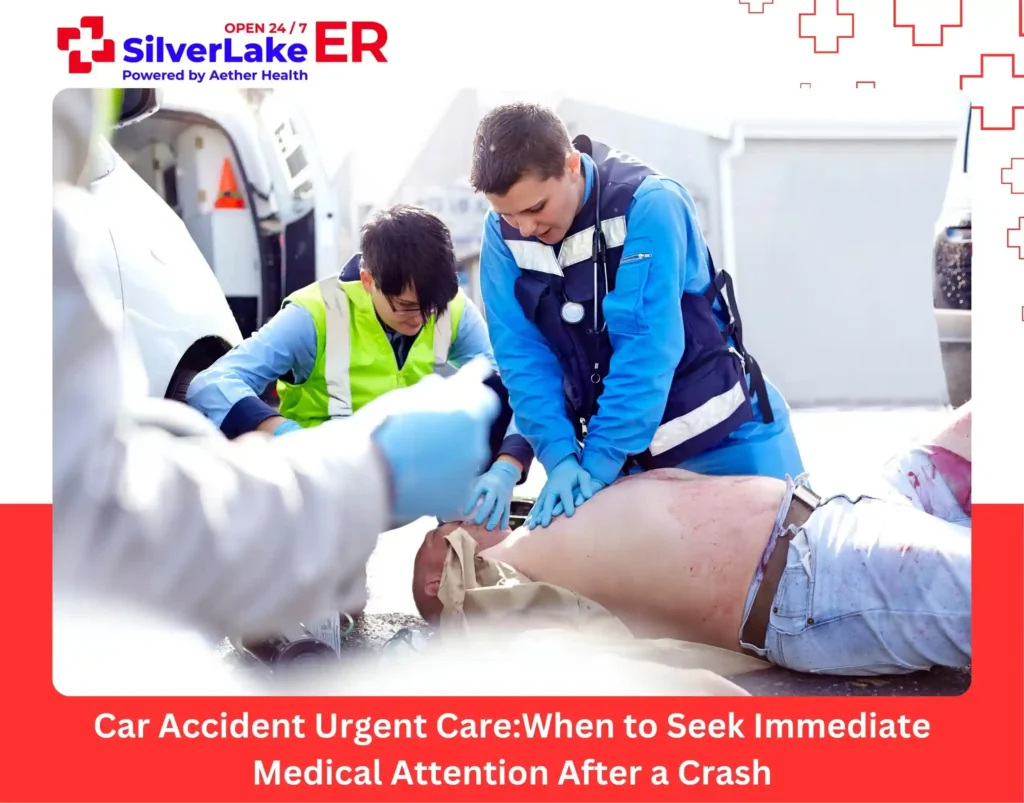
Trauma can affect nearly every aspect of a person’s life, including physical health, mental well-being, relationships, and behavior. Experiences such as abuse, violence, neglect, accidents, discrimination, or loss can leave lasting emotional and psychological impacts.
Because of this, healthcare professionals and social service organizations increasingly adopt trauma-informed care, an approach that recognizes the widespread impact of trauma and aims to create safe, supportive environments for healing.
This comprehensive guide explains what trauma-informed care is, why it matters, its core principles, and how it improves patient outcomes.
What Is Trauma-Informed Care?
Trauma informed care (TIC) is an approach to healthcare and social services that recognizes how trauma affects individuals and integrates that understanding into policies, procedures, and interactions with patients. Instead of asking “What’s wrong with you,? providers shift the focus to “What happened to you?” when assessing and treating patients.
This perspective recognizes that past experiences, including violence, childhood adversity or traumatic events like abuse or neglect, can affect a person’s health behaviors, emotional reactions and ability to trust healthcare providers.
Trauma informed care also acknowledges the importance of understanding the full context of a patient’s life, past and present, in order to provide more impactful and compassionate treatment.
Why Trauma-Informed Care Is Important
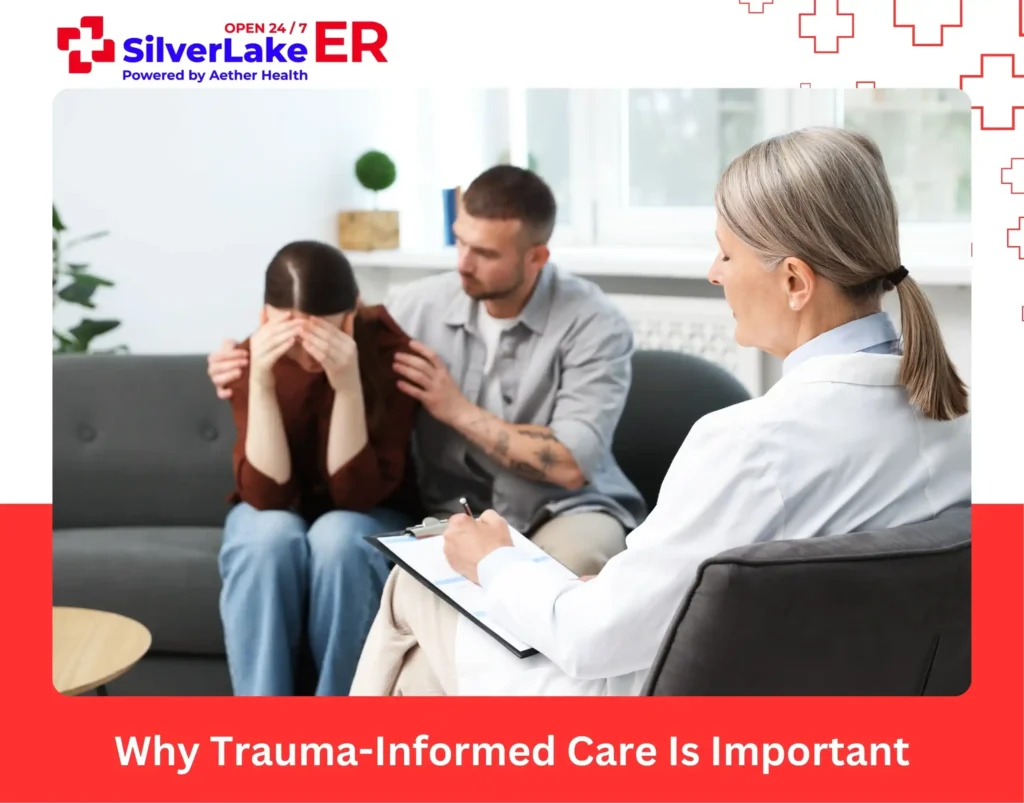
Trauma is more commonplace than many may realize. Most people will have experienced at least one traumatic event in their lifetime, with long-term implications for both physical and mental health.
When trauma is not acknowledged by healthcare systems, traditional approaches may inadvertently re-traumatize patients or make receiving care more difficult. Trauma-informed care helps to combat these challenges through creating safe, trustworthy, and respectful environments.
Benefits of trauma informed care include:
- Improved patient engagement in healthcare.
- Improved treatment adherence and health outcomes.
- Greater trust between patients and providers.
- Less stress and burnout of the healthcare workforce.
- Reduced healthcare costs through better care delivery.
The Core Principles of Trauma-Informed Care
Here are the guiding principles that make up trauma informed care.
Safety
The first pillar of Trauma-Informed Care is creating a safe environment. “When they receive care, patients need to feel safe physically and emotionally.” These can be consistent settings, kindness between the parties, and clear limits.
Safety extends to staff as well, ensuring that healthcare providers feel supported and secure in their work environment. For example, when a patient comes in with a headache, the clinic environment should be calm and welcoming, so neither the patient nor the staff feels stressed.
Trustworthiness and Transparency
Trust is important in trauma recovery. Healthcare providers have a responsibility to inform patients and their families openly and truthfully about treatments, procedures, and anticipated outcomes.
Making decisions in an open and transparent manner goes a long way to increase trust and alleviate fears, particularly for those who may have been failed by the systems in place or not experienced many calm waters throughout their lives.
Peer Support
Peer support is pairing people with others who have faced similar struggles or trauma. Sharing experiences can help create understanding, empathy and encouragement in the recovery process.
Support groups, community networks and peer mentors are a common way that organizations put this principle into action.
Collaboration and Mutuality
Such a trauma-informed approach relies on partnership between patients and their healthcare providers. Providers don’t impose decisions but partner with patients in designing treatment plans that fit their needs and preferences.
It minimizes power dynamics and encourages joint decision-making.
Empowerment, Voice, and Choice
Trauma tends to leave people feeling helpless. Trauma informed care can also restore a sense of control by providing patients with the tools they need to feel empowered in decision-making and treatment planning.
Health care providers affirm patients’ strengths and resilience, while helping them navigate decisions about their care.
Cultural, Historical, and Gender Awareness
Trauma is shaped by social, cultural and historical factors. Experiences like racism, discrimination, war or systemic injustice can shape how people understand and respond to trauma.
Trauma informed urgent care recognizes these factors and seeks to mitigate biases, stereotypes, and disparities across healthcare systems.
Core Elements of a Trauma-Informed Organization
Trauma-informed care is more than a clinical practice; this includes change at the organizational level.
Institutions who practice trauma-informed care generally have a mission to:
- Educating staff to spot signs of trauma.
- Creating safe and welcoming environments.
- Developing policies that avoid re-traumatization.
- Encouraging collaboration and patient involvement.
- Supporting staff well-being and resilience.
Taking this holistic approach means integrating trauma awareness at every point of service delivery. It goes beyond the immediate trauma emergency services provided by healthcare professionals.
How Trauma-Informed Care Works in Practice
In practice, it may mean making simple but impactful changes to the way services are provided.
Examples include:
- Clearly explaining medical procedures prior to performing them.
- Asking permission before physical contact.
- Enabling patients to decide how they are treated.
- Providing calm, supportive environments.
- Using respectful, non-judgmental communication.
These practices contribute to patients feeling seen and heard, which can enhance engagement with healthcare and lead to healing.
Where Trauma-Informed Care Is Used
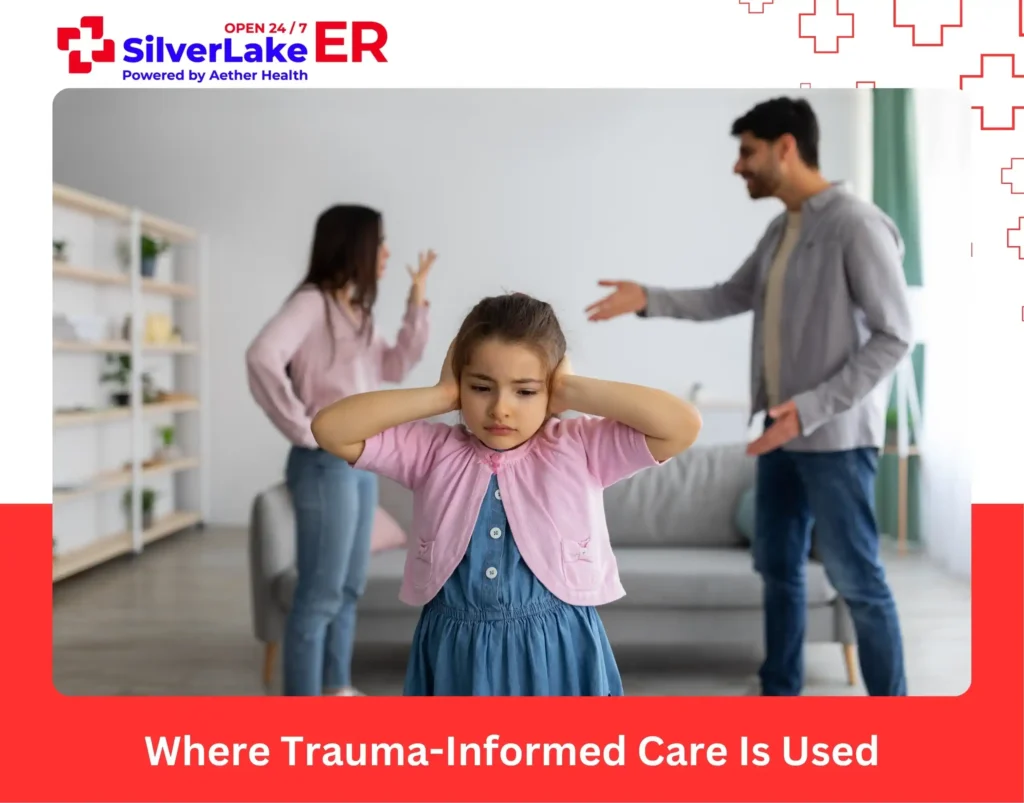
Trauma-informed care is applied in numerous fields outside of just healthcare, such as:
- Mental health services.
- Social work.
- Schools and education systems.
- Child welfare programs.
- Criminal justice systems.
- Community support organizations.
Since trauma can manifest in many different ways in individuals, this approach supports organizations as they strive to create safe environments wherever services are delivered.
Challenges in Implementing Trauma-Informed Care
Trauma informed care is multifaceted; however, putting it into practice can be arduous for hospital and 24/7 emergency rooms alike. Here are some of the common hurdles:
Organizational Challenges
Here are some challenges that organizations may face:
- Lack of training or awareness.
- Limited resources for staff education.
- Resistance to organizational change.
- High workloads for healthcare professionals.
To do so requires leadership commitment, staff training, and continuous evaluation of care practices.
The Future of Trauma-Informed Care
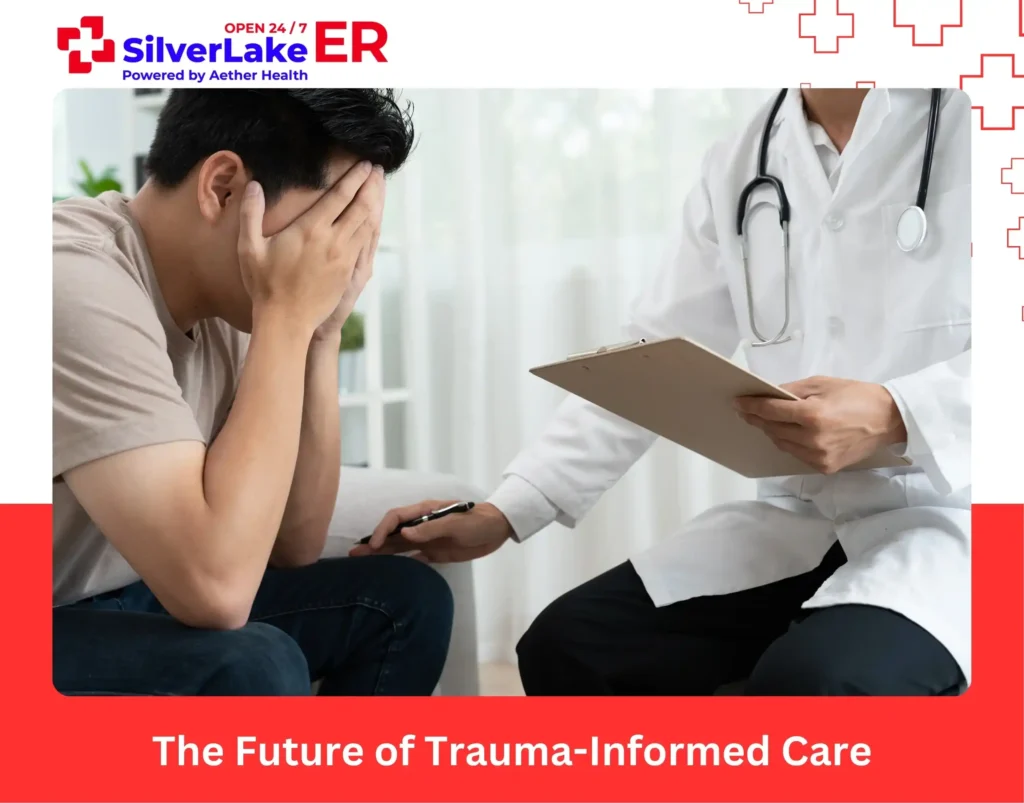
As contemporary research continues to underscore the long-lasting impact of trauma on both health and well-being, Trauma-Informed Care has emerged as a vital component of modern systems within healthcare.
More and more hospitals, clinics, schools and community programs are embracing this approach to better support those who have gone through trauma.
Trauma-informed care allows people to heal by putting compassion, understanding and safety first.
Final Thoughts
Trauma-informed care represents a shift in how healthcare and social service providers approach patient care. Instead of focusing only on symptoms or diagnoses, this model recognizes the deep impact that past experiences can have on health and behavior.
By emphasizing safety, trust, collaboration, empowerment, and cultural awareness, trauma-informed care creates supportive environments that promote healing and resilience. As awareness of trauma continues to grow, adopting trauma-informed practices will play a vital role in building more compassionate and effective healthcare systems.
Frequently Asked Questions (FAQs)
1) What is trauma-informed care?
Trauma-informed care is an approach that recognizes the impact of trauma on a person’s health and integrates that understanding into healthcare practices to promote safety, trust, and healing.
2) What are the principles of trauma-informed care?
The main principles include safety, trustworthiness, peer support, collaboration, empowerment, and cultural awareness.
3) Why is trauma-informed care important?
It helps healthcare providers understand patients’ past experiences, build trust, avoid re-traumatization, and improve treatment outcomes.
4) Where is trauma-informed care used?
It is commonly used in healthcare, mental health services, social work, education, and community programs.
5) How does trauma-informed care help patients?
It creates a supportive environment where patients feel safe, respected, and involved in their treatment, which improves engagement and recovery.