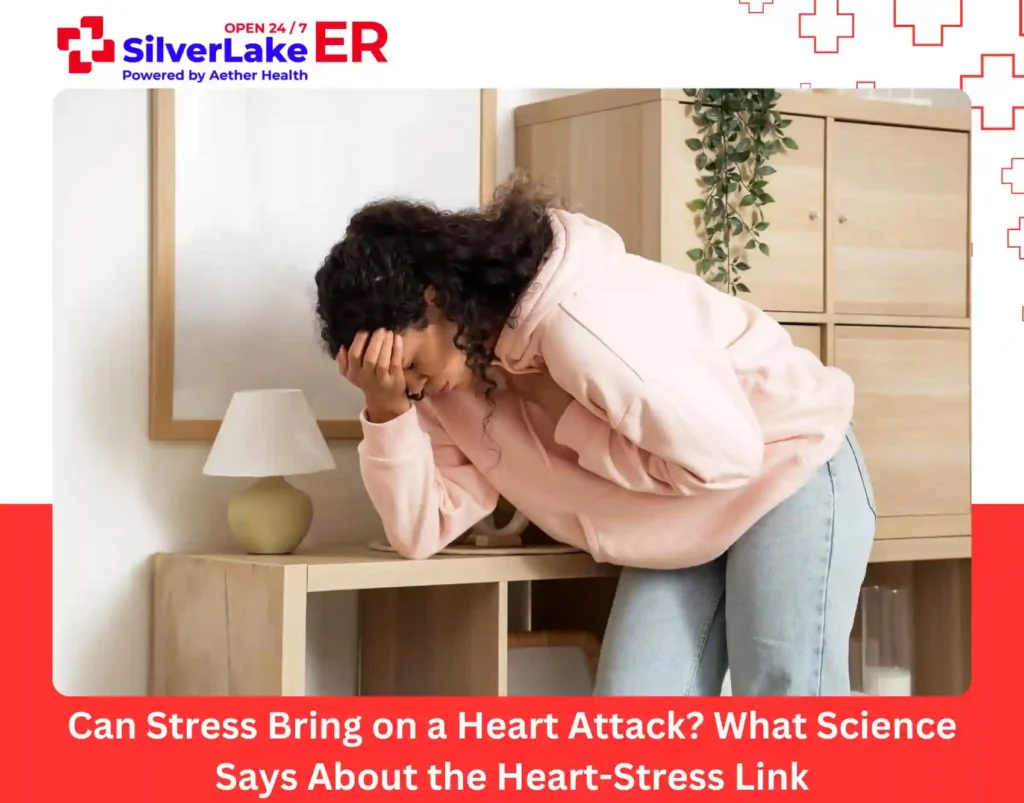
You lose someone close. You get fired from a job you held for years. You go through a divorce, or sit stuck in traffic while late for a critical meeting. And then your chest feels tight, your heart races, and you wonder for a terrifying second whether something is seriously wrong with your heart. For most people, that moment passes. For some, it does not, and the question becomes urgent: can stress bring on a heart attack?
The answer, backed by decades of cardiology research, is yes, though the way stress triggers a heart attack is more complex than most people realize. Short bursts of extreme emotion can set off cardiac events in people with underlying risk, and chronic stress over months and years can quietly damage the heart in ways that increase heart attack risk measurably. Understanding how this works helps you recognize warning signs early and know when stress symptoms are actually something more dangerous.
| Quick Answer
Yes, stress can bring on a heart attack. Acute emotional stress triggers a surge of adrenaline and cortisol that can cause blood vessels to constrict, blood pressure to spike, and existing plaque in the arteries to rupture, blocking blood flow to the heart. Chronic stress contributes over time by raising blood pressure, promoting inflammation, and encouraging unhealthy coping habits that damage the heart. People with existing heart disease, high blood pressure, or diabetes face the highest risk, but even otherwise healthy adults can experience stress-induced cardiac events. |
How Stress Physically Affects the Heart
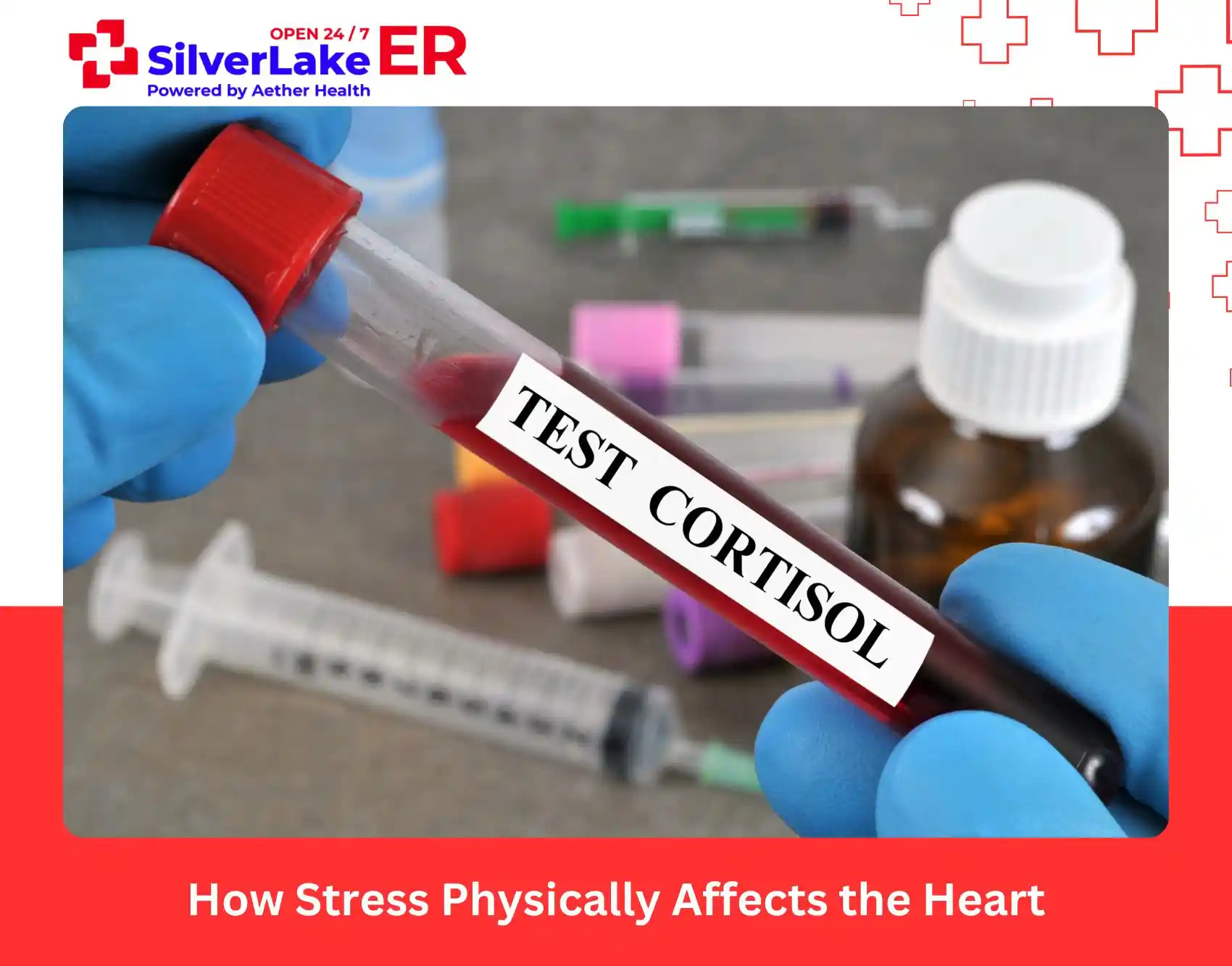
Stress is not just a feeling. It triggers measurable physical changes in the cardiovascular system that doctors can see on blood pressure monitors, blood tests, and imaging. The American Heart Association explains that stress affects the heart through three distinct biological pathways, each with its own impact on cardiac health.¹
1. The adrenaline surge
When you experience sudden stress, your adrenal glands flood the bloodstream with adrenaline (epinephrine). Your heart rate climbs, blood pressure spikes, and your blood vessels constrict. In healthy people this is harmless. In people with underlying heart disease, this surge can rupture plaque inside a coronary artery, triggering a classic heart attack.
2. Cortisol over time
Chronic stress keeps cortisol levels elevated for weeks, months, or years. Elevated cortisol raises blood sugar, promotes abdominal fat storage, and contributes to inflammation throughout the arteries. All three are major risk factors for heart disease and eventual heart attack.
3. Blood vessel constriction
Stress hormones cause coronary arteries to narrow temporarily. In someone with partial blockages, that narrowing can reduce blood flow to the heart muscle enough to trigger ischemia or a full heart attack, even without new plaque rupture.
Research links roughly 20 to 30 percent of heart attacks to an identifiable acute emotional or physical stressor in the hours before the event.
IN SHORT: Stress hits the heart through adrenaline spikes, long-term cortisol damage, and immediate blood vessel narrowing. Each pathway raises heart attack risk differently.
Acute vs. Chronic Stress: Two Different Cardiac Risks
Not all stress affects the heart the same way. Doctors generally talk about two categories of stress that drive different cardiac risks.
STEP 1 Acute stress. A sudden, intense emotional event: grief, anger, fear, a traumatic argument, or witnessing something frightening. Acute stress can trigger a heart attack within minutes to hours, especially in people with existing cardiovascular disease.
STEP 2 Chronic stress. Long-running stress from work, caregiving, financial strain, or ongoing relationship conflict. Chronic stress damages the heart gradually by raising blood pressure, driving inflammation, and encouraging smoking, overeating, poor sleep, or heavy alcohol use.
Severe acute stress can also progress to full cardiac arrest in rare cases. Our cardiac arrest emergency care team at Silverlake ER is equipped for the full range of stress-induced cardiac events when they occur.
Stress Types and Cardiac Risk at a Glance
This reference matches different stress patterns to their likely cardiovascular impact and risk level.
| Type of Stress | What Happens | Cardiac Risk Level |
| Sudden grief or shock | Adrenaline surge, blood vessel spasm | High for those with heart disease |
| Acute anger or fear | Rapid heart rate, blood pressure spike | Moderate to high short-term risk |
| Chronic work stress | Elevated cortisol, higher BP over time | Moderate long-term risk |
| Financial or caregiving strain | Sustained inflammation, poor habits | Moderate long-term risk |
| Traumatic event (loss of loved one) | Can trigger broken heart syndrome | High within hours or days |
| Daily mild stress | Transient changes, body adapts | Low with good coping habits |
Broken Heart Syndrome: A Real Stress-Induced Cardiac Event
Broken heart syndrome, known medically as takotsubo cardiomyopathy, is a real condition where severe emotional stress causes part of the heart muscle to temporarily weaken and stop pumping properly. The symptoms look nearly identical to a heart attack: chest pain, shortness of breath, and sometimes fainting.
The condition is most common in women over 50 and typically follows a severe emotional shock such as the death of a loved one, a divorce, a serious accident, or even an extremely positive event like a surprise wedding. Most people recover fully within weeks, but during the acute phase the risk of complications including arrhythmia and heart failure is significant.
Because broken heart syndrome is clinically indistinguishable from a true heart attack at first presentation, it requires the same emergency workup. Our guide on why cardiac arrest happens covers related cardiac emergencies that share overlapping mechanisms with stress-induced events.
IN SHORT: Severe emotional stress can cause broken heart syndrome, a temporary cardiac condition that looks exactly like a heart attack and needs the same emergency evaluation.
Warning Signs That Stress Is Affecting Your Heart
The National Heart, Lung, and Blood Institute emphasizes that stress symptoms can overlap with early signs of heart trouble, which is why ignoring them is risky. Watch for these signs that stress may be reaching your heart.²
- Chest tightness, pressure, or discomfort during or after stressful moments.
- Unusual shortness of breath with mild activity or stress exposure.
- Heart palpitations or a racing heart that lasts longer than it should.
- Persistent fatigue that does not improve with rest.
- Lightheadedness, dizziness, or near-fainting episodes under stress.
- Sleep disruption and night sweats combined with any of the above.
- New or worsening high blood pressure readings.
When Stress Symptoms Become a 911 Situation
Stress alone rarely requires an ER visit. However, when stress symptoms cross into territory that could be a heart attack or stress-induced cardiac event, every minute matters. Call 911 immediately for any of the following.
| Call 911 Immediately
These signs can indicate an active heart attack or broken heart syndrome. Do not drive yourself. Paramedics can begin cardiac monitoring and treatment on the way to the hospital. |
▶ Chest pain, pressure, squeezing, or heaviness lasting more than a few minutes.
▶ Pain radiating to the arm, jaw, neck, back, or upper abdomen.
▶ Sudden severe shortness of breath with or without chest discomfort.
▶ Cold sweat, nausea, or vomiting alongside chest symptoms.
▶ Fainting, near-fainting, or confusion following a stressful event.
▶ Any sense of impending doom combined with chest symptoms.
Frequently Asked Questions
Can stress bring on a heart attack in a healthy person?
Yes, though it is less common. Extreme acute stress can trigger coronary artery spasm or broken heart syndrome in people without known heart disease, especially during severe emotional events like loss of a loved one or sudden shock.
How long after a stressful event could a stress heart attack occur?
Most stress induced heart attacks happen within minutes to hours of the trigger. However, research shows elevated risk can persist for days or even weeks after major stressful events like bereavement, so symptoms during that window deserve prompt attention.
What is the difference between an anxiety attack and a stress heart attack?
Anxiety attacks typically cause chest tightness, racing heart, and shortness of breath that peak within 10 minutes and resolve on their own. Heart attacks produce persistent pressure, often radiating to the arm or jaw, with sweating or nausea that does not pass.
Can stress affect the heart over the long term?
Yes. Chronic stress contributes to high blood pressure, inflammation, abnormal cholesterol patterns, and unhealthy coping behaviors like smoking or overeating. Over years, this combination significantly raises the risk of coronary artery disease and future heart attacks.
What should I do if I think stress is affecting my heart?
Track your symptoms and blood pressure if possible. See a doctor for cardiac evaluation if you notice chest discomfort, palpitations, or unusual shortness of breath. For symptoms lasting more than a few minutes, treat it as a possible emergency and call 911.
Stress-Related Chest Symptoms in Pearland?
Fast evaluation is the only way to know whether stress symptoms are actually something more serious. Our chest pain emergency care team at Silverlake ER is on-site 24/7 at 2752 Sunrise Blvd, Pearland, TX 77584, with EKG, cardiac blood tests, and imaging available in one visit. See more about our freestanding ER or get in touch for questions. Call +1 (713) 528-8703 or walk in anytime.
Call 911 immediately for chest pain or pressure lasting more than a few minutes, especially following severe stress or emotional shock, pain radiating to the arm or jaw, sudden shortness of breath, cold sweat with nausea, or fainting. Stress can bring on a real cardiac event, and waiting is dangerous.