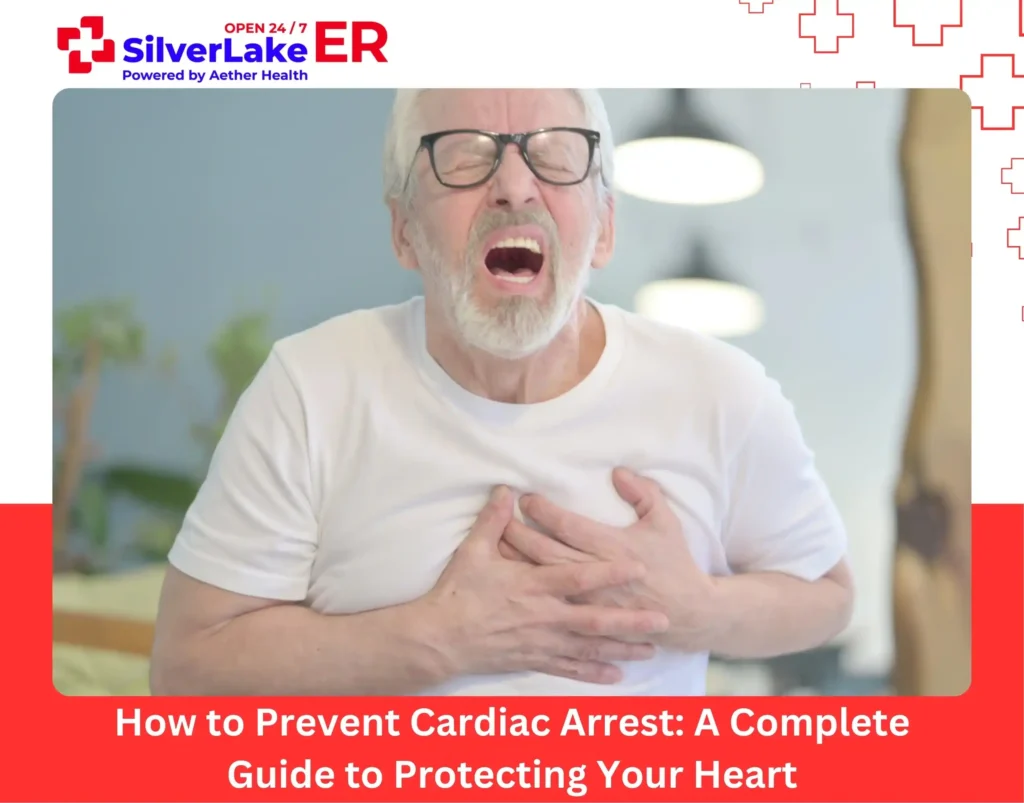
Cardiac arrest is a life-threatening condition where the heart suddenly stops beating, cutting off blood flow to the brain and body. It can happen without warning, but the good news is that many risk factors are preventable with the right lifestyle and medical care.
This comprehensive guide explains how to prevent cardiac arrest, reduce your risk, and protect your long-term heart health.
What Causes Cardiac Arrest?
Cardiac arrest is usually caused by a problem in the heart’s electrical system, leading to an irregular heartbeat (arrhythmia). When this happens, the heart can no longer pump blood effectively.
Several underlying conditions increase the risk, including:
- Coronary artery disease.
- Previous heart attack.
- High blood pressure.
- High cholesterol.
- Diabetes.
- Obesity and sedentary lifestyle.
In many cases, cardiac arrest is not truly “sudden,” it develops due to long-term damage to the heart.
Can Cardiac Arrest Be Prevented?
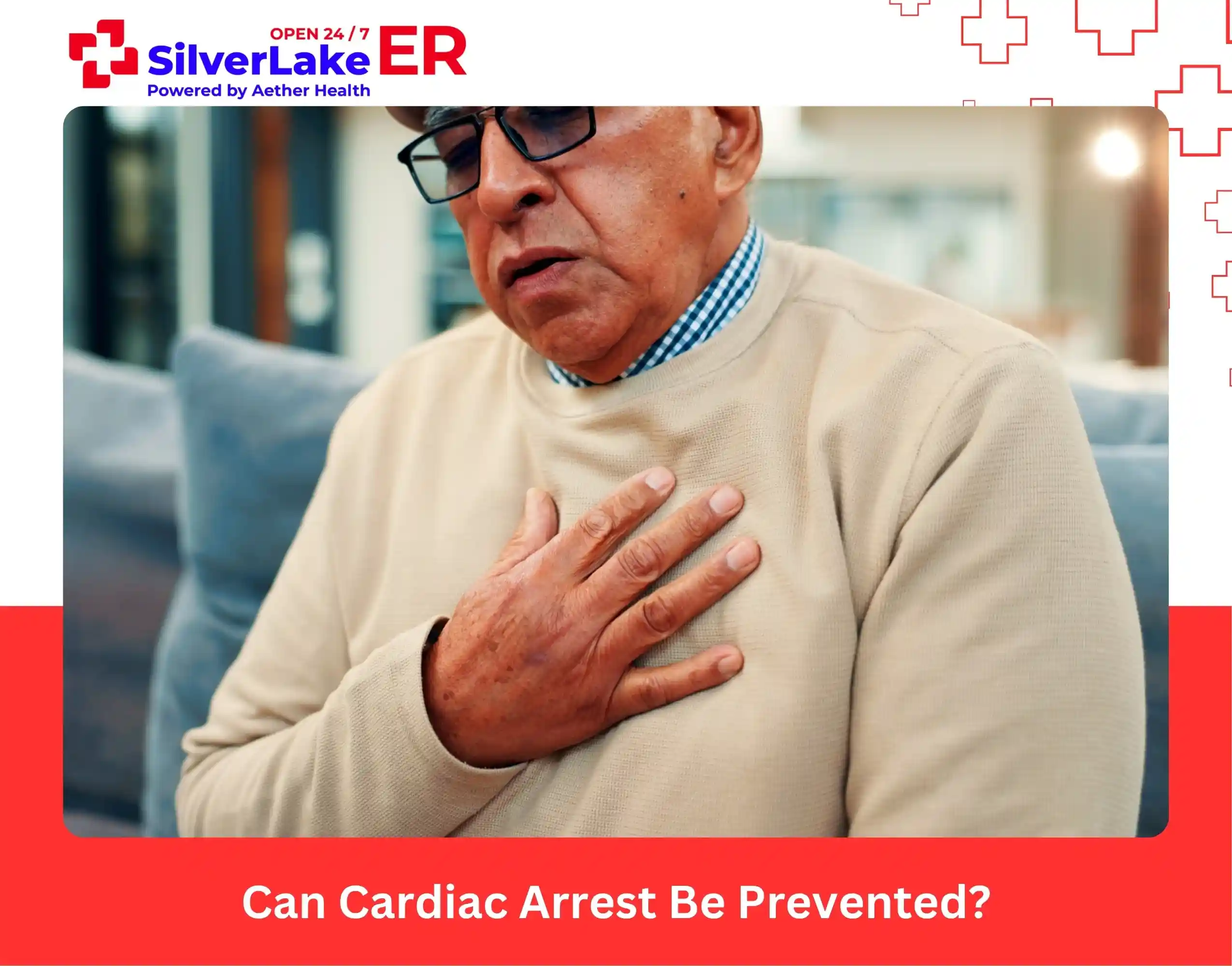
Yes, cardiac arrest is preventable in many cases or its risk can be reduced substantially. Prevention is about managing underlying health conditions and having a heart-healthy lifestyle.
Take control of the risk factors early, doctors say, and the odds of having a cardiac event plummet. This means keeping an eye on your health, modifying behaviors and seeing your doctor regularly. Here’s how to prevent cardiac arrest:
1) Manage High Blood Pressure, Cholesterol & Diabetes
Chronic conditions such as high blood pressure, high cholesterol and diabetes place constant demands on the heart and blood vessels. Gradually, this injury heightens the risk of heart rhythm problems and cardiac arrest.
Managing these conditions involves:
- Regular health checkups.
- Taking prescribed medications.
- Keeping a check on blood pressure and sugar levels.
- Maintaining a balanced diet.
Preventing these conditions from getting out of control is one of the best ways to prevent cardiac arrest.
Follow a Heart-Healthy Diet
Diet has a potent impact on heart health. Consumption of unhealthy food builds fatty plaque in arteries that can raise the risk of heart disease and sudden death from cardiac arrest.
Recommended Diet Habits:
- Orthography is a complex symptom.
- Opt for lean proteins (fish, poultry, legumes).
- Decrease saturated fats and processed foods.
- Limit salt and sugar intake.
Eating a heart-healthy diet can lower cholesterol, maintain weight, and improve overall function of the cardiovascular system. Thus, it is good for preventing both a heart attack and cardiac arrest.
Stay Physically Active
Regular exercise helps to strengthen the heart and improve circulation. It also helps to control weight, blood pressure and stress levels.
Experts recommend:
- 150 minutes of moderate exercise every week.
- Mount activities such as walking, cycling, swimming or jogging.
Even basic habits such as walking can offer substantial reductions in the odds of cardiac arrest.
Maintain a Healthy Weight
Excess weight (overweight and obesity) elevates the likelihood of:
- High blood pressure.
- Diabetes.
- Heart disease.
These conditions increase risk for cardiac arrest. Also, maintaining a healthy weight through diet and exercise puts less strain on the heart and improves overall health.
Avoid Smoking and Limit Alcohol
Smoking also harms blood vessels and reduces oxygen levels, increasing the risk of heart disease. It is a leading cause of cardiac arrest that can be prevented.
Key Tips:
- Quit smoking completely.
- Avoid secondhand smoke.
- Limit alcohol consumption.
Smoking cessation improves heart health and even has an effect in a short time.
Manage Stress and Sleep
Chronic stress and insufficient sleep can harm hearts when they raise blood pressure and inflammation.
Healthy Habits:
- Get yourself calm (meditation, deep breathing).
- Sleep well for 7–8 hours.
- Maintain a consistent sleep schedule.
Sleep disorders, for example, sleep apnea, should likewise be treated since they may compound cardiac risk.
Get Regular Health Screenings

Most heart disease usually creeps up on you quietly without symptoms. Routine checkups help catch issues early.
Important Tests:
- Blood pressure monitoring.
- Cholesterol tests.
- Blood sugar levels.
- Heart rhythm tests (ECG).
Identifying it early means we have time to treat and prevent serious complications.
Know Your Family History
Some people are more likely than others to suffer from heart disease or variations in rhythm, and this is possibly due to their genes. The odds of you being struck by disease may be higher if there is a family history. Thus, you must opt for:
- Genetic counseling.
- Screening tests.
- Preventive medication or monitoring (for people at high risk of developing the disease).
Treat Heart Disease Early
If you already have heart disease or abnormalities, early treatment is essential in order to prevent cardiac arrest.
Treatment may include:
- Medication (such as beta-blockers).
- Procedures (angioplasty, ablation).
- Implantable devices like defibrillators (ICDs).
These therapies can help stabilize heart rhythm and reduce risk.
Warning Signs of Cardiac You Must Take Seriously
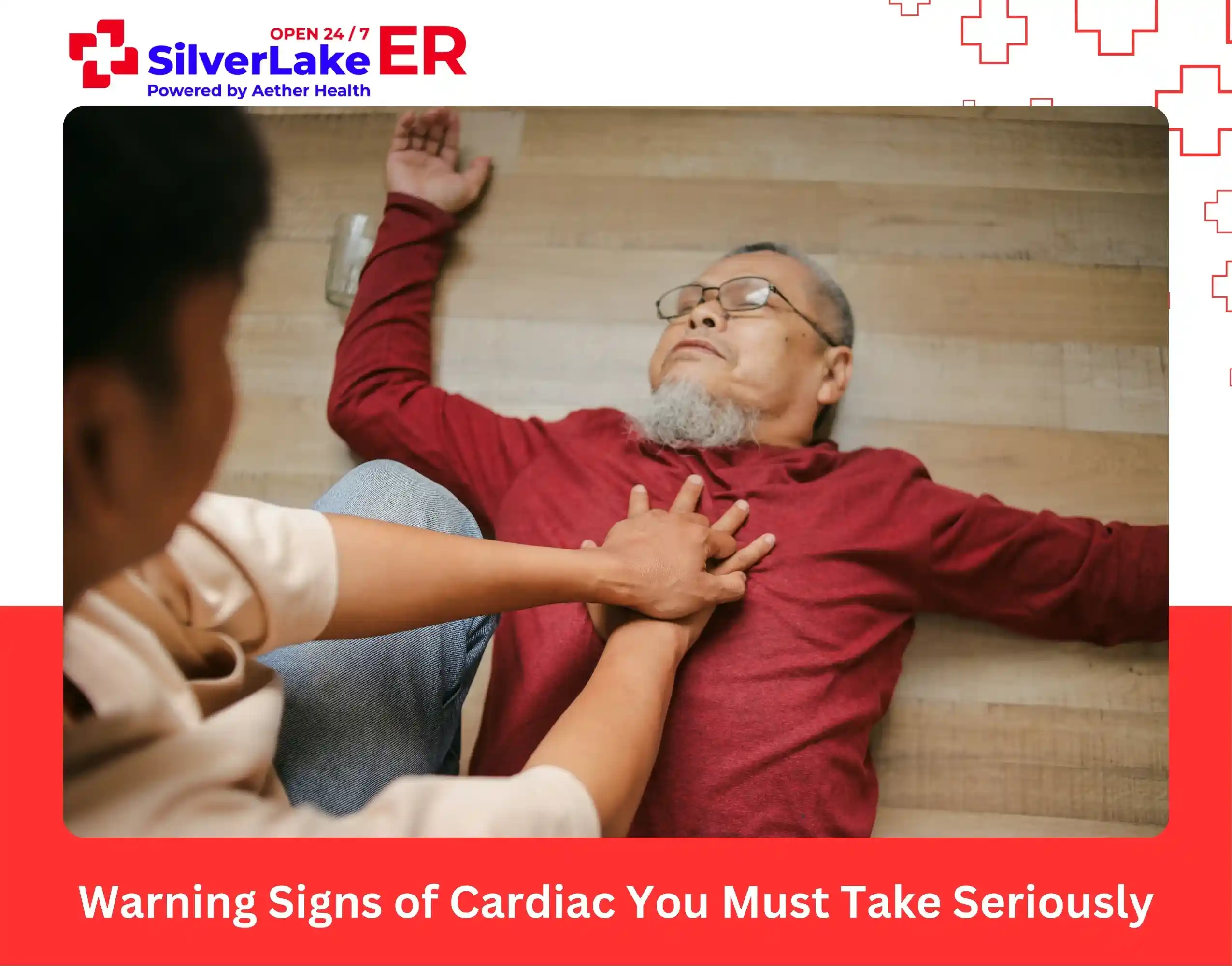
Cardiac arrest can strike suddenly, but some patients experience warning symptoms such as:
- Pain or discomfort in the chest.
- Breathing difficulty or abnormal breathing.
- Dizziness or fainting.
- Heartbeat not regulated or too rapid.
If any of these symptoms appear, go to the nearest 24/7 emergency room or the hospital for on-time evaluation and treatment.
Final Thoughts
Preventing cardiac arrest starts with consistent, everyday habits. From managing health conditions to staying active and eating well, small changes can have a powerful impact on your heart health.
Most risk factors are controllable, and early action can save lives. Hopefully, you now have a good idea of how to prevent cardiac arrest. In case you need more clarifications, don’t hesitate to contact our support.
FAQs
1) Can cardiac arrest be prevented?
Yes, managing risk factors and maintaining a healthy lifestyle can significantly reduce the risk.
2) What is the biggest risk factor for cardiac arrest?
Heart disease, especially coronary artery disease, is the leading risk factor.
3) Does exercise prevent cardiac arrest?
Yes, regular exercise improves heart health and lowers risk.
4) Can stress cause cardiac arrest?
Chronic stress can increase heart disease risk, which may lead to cardiac arrest.
5) Should I get screened for heart disease?
Yes, regular checkups help detect risk factors early and prevent serious complications.