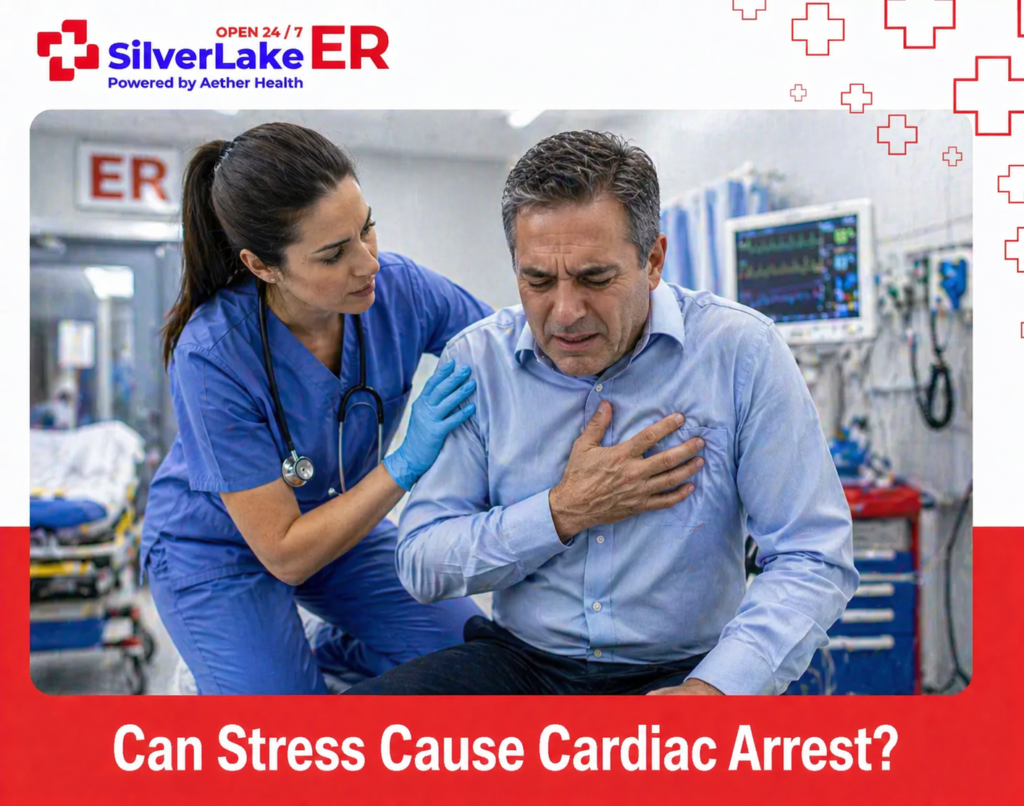
Stress is often called a “silent killer,” but can it really lead to something as serious as cardiac arrest? The answer is more complex than a simple yes or no. While stress alone is rarely the direct cause, it can significantly increase the risk and act as a trigger, especially in vulnerable individuals.
This comprehensive guide answers “can stress cause cardiac arrest,” and what science actually says.
What Is Cardiac Arrest?
Cardiac arrest is a sudden loss of heart function, where the heart stops beating effectively due to an electrical problem called an arrhythmia. Unlike a heart attack (which is caused by blocked blood flow), cardiac arrest happens when the heart’s rhythm becomes chaotic and can no longer pump blood to the brain and body.
This is a medical emergency that must be treated immediately with CPR and defibrillation. The commonest occurs in patients with preexisting heart disease, anatomic abnormality or electrical dysfunction. In case you are feeling a pain in the chest or discomfort around this area, it’s better to get yourself evaluated timely at the best cardiac arrest emergency care nearby.
Can Stress Cause Cardiac Arrest?
Stress itself usually does not cause cardiac arrest but can be a risk factor and trigger serious heart events including cardiac arrests, especially in those with pre-existing heart conditions.
Studies show that intense emotional stress can precipitate fatal heart arrhythmias and sudden cardiac death.
A strong association between mental stress and heart health has been shown by studies in the past, which indicate that people with chronic stress or disorders associated with anxiety had a greater risk of developing out-of-hospital cardiac arrest.
In simple terms:
Although often considered the only cause, it is rare for stress alone to be responsible; however, in specific situations, it may place the heart at risk of a potentially fatal condition.
How Stress Affects the Heart
Stress incites the body to enter its “fight or flight” state, and with this comes hormonal secretions (like adrenaline) and releases of hormones such as cortisol. This response is beneficial for acute responses but repeated or chronic activation can negatively impact the cardiovascular system.
Elevated Heart Rate And A Rise In Blood Pressure
Researchers found that stress makes the heart beat faster and increases blood pressure. This repeated stress could undermine the heart over time, raising exposure to heart disease.
Inflammation and Reduced Blood Flow
Long-lasting anxiety results in inflammation and impaired blood flow to the heart, both of which are associated with life-threatening heart ailments.
Electrical Instability in the Heart
Stress can mess with the heart’s electrical system and cause arrhythmias (abnormal heart rhythms) which is a common reason for a cardiac arrest.
Hormonal Overload
Chronic stress can lead to an increase in hormones that are harmful to blood vessels and impair how the heart works.
Can Emotional Stress Cause Cardiac Arrest?
Absolutely, in some cases acute emotional stress serves as a trigger. Emotional triggers, including grief, fear and surprise can trigger an outpouring of stress hormones flooding the body and pressing directly on the heart.
The medical proof that emotional stress will cause:
- Dangerous arrhythmias.
- Heart attacks.
- Sudden Death: Rare Occurrence.
People with existing heart disease are at high risk, particularly if they are unaware of that fact.
The Relationship Between Stress And “Broken Heart Syndrome”
Stress can exert significant influence on the heart, as witnessed by a classic condition known to cardiologists: Takotsubo cardiomyopathy (more widely known as “broken heart syndrome”).
It is provoked by emotional or physical exhaustion and the following dysfunctions may be observed:
- Sudden weakening of the heart muscle.
- Pain in the chest like a heart attack.
- Temporary heart dysfunction.
Although most people recover, in severe cases it can lead to complications, including arrhythmias and cardiac arrest. This condition highlights how emotional stress can have real, physical effects on heart function.
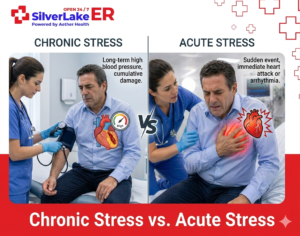
Chronic Stress vs. Acute Stress
Before we get into more details on can stress cause cardiac arrest, it is important to differentiate between short and long term stresses.
Acute Stress (Short-Term)
Short bursts of stress are usually not harmful and may even be beneficial in certain situations. However, extreme acute stress can trigger sudden cardiac events in high-risk individuals.
Chronic Stress (Long-Term)
Chronic stress is worse, it is a perpetual presence in the body. It can lead to:
- High blood pressure.
- Heart disease.
- Unhealthy behavior (cigarettes, diet).
Accumulated over years and decades, these risks cause serious events, including cardiac arrest, where the heart suddenly and unexpectedly stops beating effectively.
Warning Signs to Watch For
Stress-related heart problems may not always be obvious. However, warning signs include:
- Chest pain or discomfort.
- Rapid or irregular heartbeat.
- Shortness of breath.
- Dizziness or fainting.
- Extreme fatigue.
If these symptoms occur, especially during stress, immediate medical attention is essential.
How to Reduce the Risk
Stress Management is an important part of Heart Health. By managing stress effectively, you are also preventing a possible cardiac arrest in the near future.
Practice Stress Management
You can practice deep breathing techniques, meditation, and mindfulness which will lower the stress and enhance overall well-being.
Stay Physically Active
Exercise reduces stress hormones and strengthens the heart.
Maintain a Healthy Lifestyle
A healthy diet, refraining from smoking and sporadic alcohol intake can help decrease overall heart risk.
Get Enough Sleep
Less Sleep, More Stress: Poor Sleep Leads to Stress and Heart Problems
Seek Professional Help
Speaking to a healthcare provider or a therapist can do wonders if stress or anxiety are severe.
When to Seek Emergency Care
Seek immediate medical help in the nearest emergency room or visit a hospital if you experience:
- Sudden chest pain.
- Collapse or loss of consciousness.
- Severe shortness of breath.
- Irregular heartbeat with dizziness.
These may be signs of a serious cardiac event, including cardiac arrest, and require urgent treatment.
Final Thoughts
So, can stress cause cardiac arrest?
The answer is: not directly in most cases, but it can significantly increase the risk and act as a trigger, especially in people with underlying heart conditions.
Stress affects the heart in powerful ways, from raising blood pressure to disrupting heart rhythm. Managing stress is not just about mental health, it is also essential for protecting your heart and preventing life-threatening complications.
FAQs
Can stress alone cause cardiac arrest?
Stress alone rarely causes cardiac arrest, but it can trigger it in people with underlying heart conditions.
Can anxiety lead to sudden cardiac arrest?
Severe anxiety and stress can increase the risk of arrhythmias, which may lead to cardiac arrest in some cases.
What is broken heart syndrome?
It is a stress-related condition where intense emotions temporarily weaken the heart, sometimes leading to serious complications.
Is chronic stress dangerous for the heart?
Yes, long-term stress can increase the risk of heart disease, high blood pressure, and cardiac events.
How can I reduce stress-related heart risks?
Managing stress through exercise, relaxation techniques, healthy habits, and medical support can significantly lower the risk.