
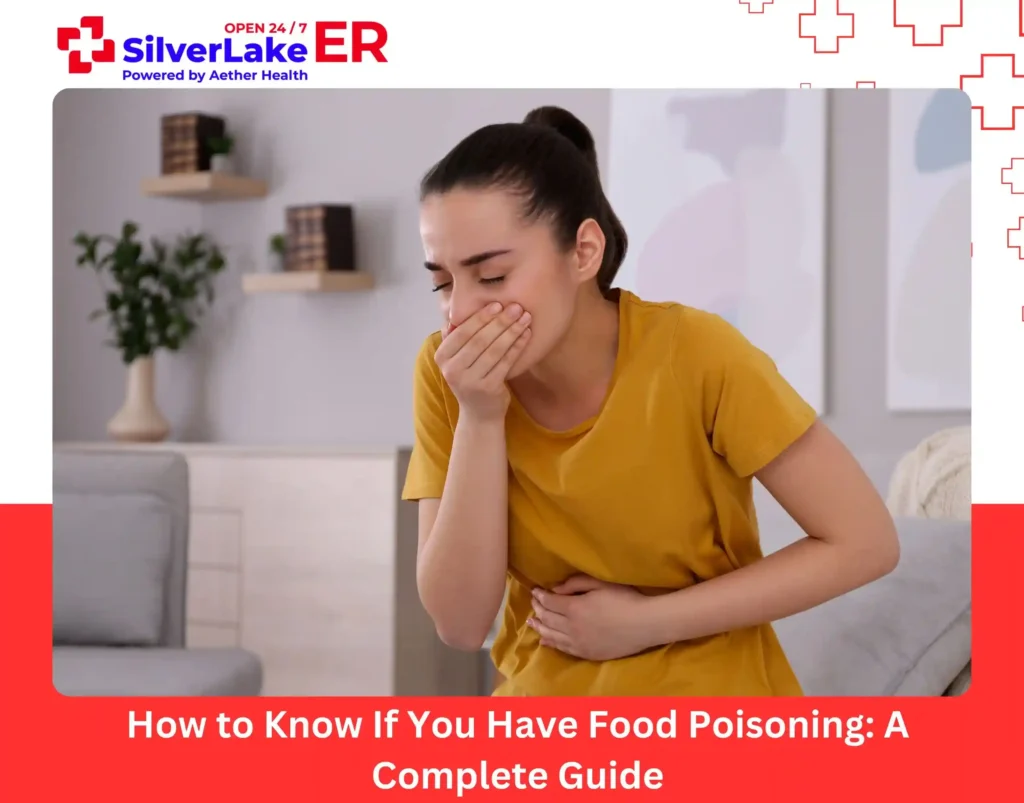
Food poisoning can feel sudden, intense, and confusing, especially because its symptoms often overlap with other illnesses like the stomach flu. Many people wonder: is this something I ate, or something I caught? Knowing the signs can help you identify food poisoning early and take the right steps.
This comprehensive guide answers how to know if you have food poisoning, key symptoms, timing, and how to tell it apart from other conditions.
What Is Food Poisoning?
Food poisoning, also called foodborne illness, occurs when you consume contaminated food or drinks containing harmful bacteria, viruses, parasites, or toxins.
These contaminants irritate your digestive system and trigger symptoms as your body tries to eliminate them. In most cases, the illness is short-lived, but symptoms can range from mild discomfort to severe dehydration.
If you are experiencing symptoms of food poisoning, make sure to get yourself checked at the 24/7 nearest emergency room for timely care.
Key Signs You May Have Food Poisoning
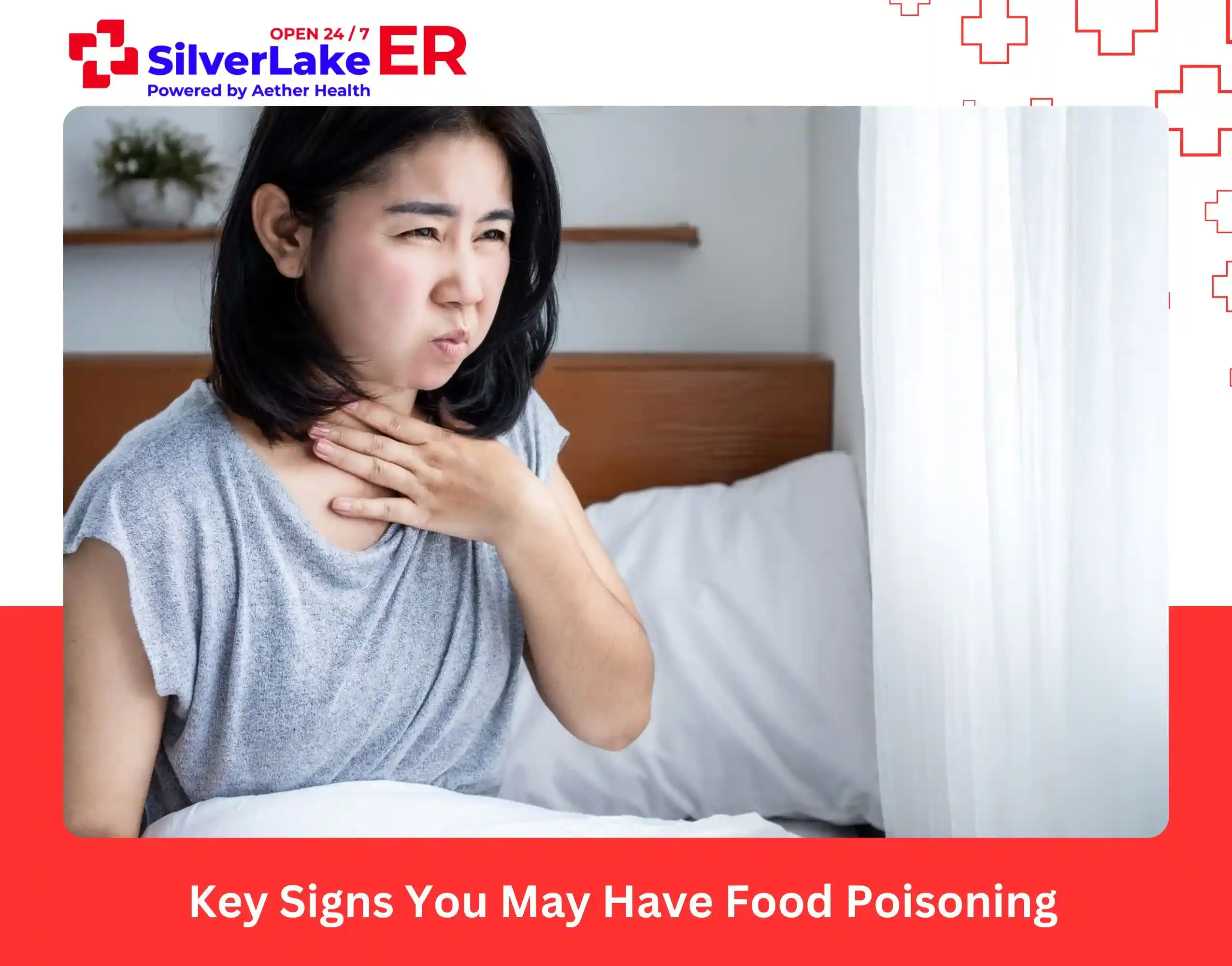
The most reliable way to know if you have food poisoning is by recognizing a combination of digestive symptoms, especially if they appear after eating.
Sudden Nausea and Vomiting
One of the earliest signs is feeling nauseous or suddenly needing to vomit. This is your body’s immediate response to harmful substances in the stomach.
Vomiting may start quickly and can be intense, especially in toxin-related food poisoning.
Diarrhea (Sometimes Severe)
Diarrhea is one of the most common symptoms and may range from mild to severe. In some cases, it can become watery or even contain blood.
This happens because your intestines are trying to flush out harmful bacteria or toxins.
Stomach Pain and Cramping
Sharp or constant abdominal cramps are another clear sign. These cramps occur as your digestive system reacts to irritation and inflammation.
The pain may come in waves and can feel similar to severe stomach discomfort or gas pain.
Fever and Chills
Food poisoning, particularly from bacteria, often is accompanied by a mild to moderate fever. Fever is how your body combats infection.
The fever may also be accompanied by chills, perspiration and malaise.
Weakness and Fatigue
Feeling unusually tired or weak is common. This happens because your body is losing fluids and energy while fighting the illness.
Dehydration from vomiting and diarrhea can make this symptom worse.
Headache and Body Aches
Some people experience headaches or muscle aches, especially when fever and dehydration are present.
While these symptoms are not always the first sign, they often develop as the illness progresses.
How Quickly Do Symptoms Appear?
Timing is one of the biggest clues.
Food poisoning symptoms can start:
- Within a few hours after eating.
- Or up to several days later, depending on the cause.
Many common cases begin within 2 to 6 hours, especially when toxins are involved.
If you suddenly feel sick after a recent meal, food poisoning becomes more likely.
How To Tell If It’s Food Poisoning or Something Else
Food poisoning is often confused with viral infections like norovirus (stomach flu). While symptoms overlap, there are some key differences.
Food Poisoning
- Symptoms appear quickly after eating.
- Often linked to a specific meal.
- More likely to cause intense diarrhea.
- Usually affects only the person who ate the contaminated food.
Stomach Flu (Norovirus)
- Symptoms take 1–2 days to develop.
- Spread from person to person.
- Often causes more nausea and vomiting.
- May affect multiple people in a household.
If multiple people who ate the same food get sick, it strongly points to food poisoning.
Other Clues That Suggest Food Poisoning
Beyond symptoms, certain patterns can help confirm your suspicion:
- You ate leftovers, undercooked food, or food left out too long.
- Symptoms started suddenly and intensely.
- Others who ate the same food also became ill.
- You feel better within 24–48 hours
Most cases resolve quickly as the body clears the toxins.
When It Might NOT Be Food Poisoning

Sometimes symptoms may look similar but have a different cause. It may not be food poisoning if:
- Symptoms develop slowly over several days.
- There is no clear link to food.
- You have respiratory symptoms (like cough or sore throat).
- The illness lasts longer than expected without improvement.
In these cases, another infection or condition may be responsible.
When to Seek Medical Attention
While most cases are mild, some require medical care. You should seek help if you experience:
- High fever.
- Blood in stool.
- Severe dehydration (dry mouth, dizziness, little urination).
- Persistent vomiting.
- Symptoms lasting more than a few days.
Certain groups, such as children, older adults, pregnant women, and people with weakened immune systems are at higher risk for complications.
What to Do If You Think You Have Food Poisoning
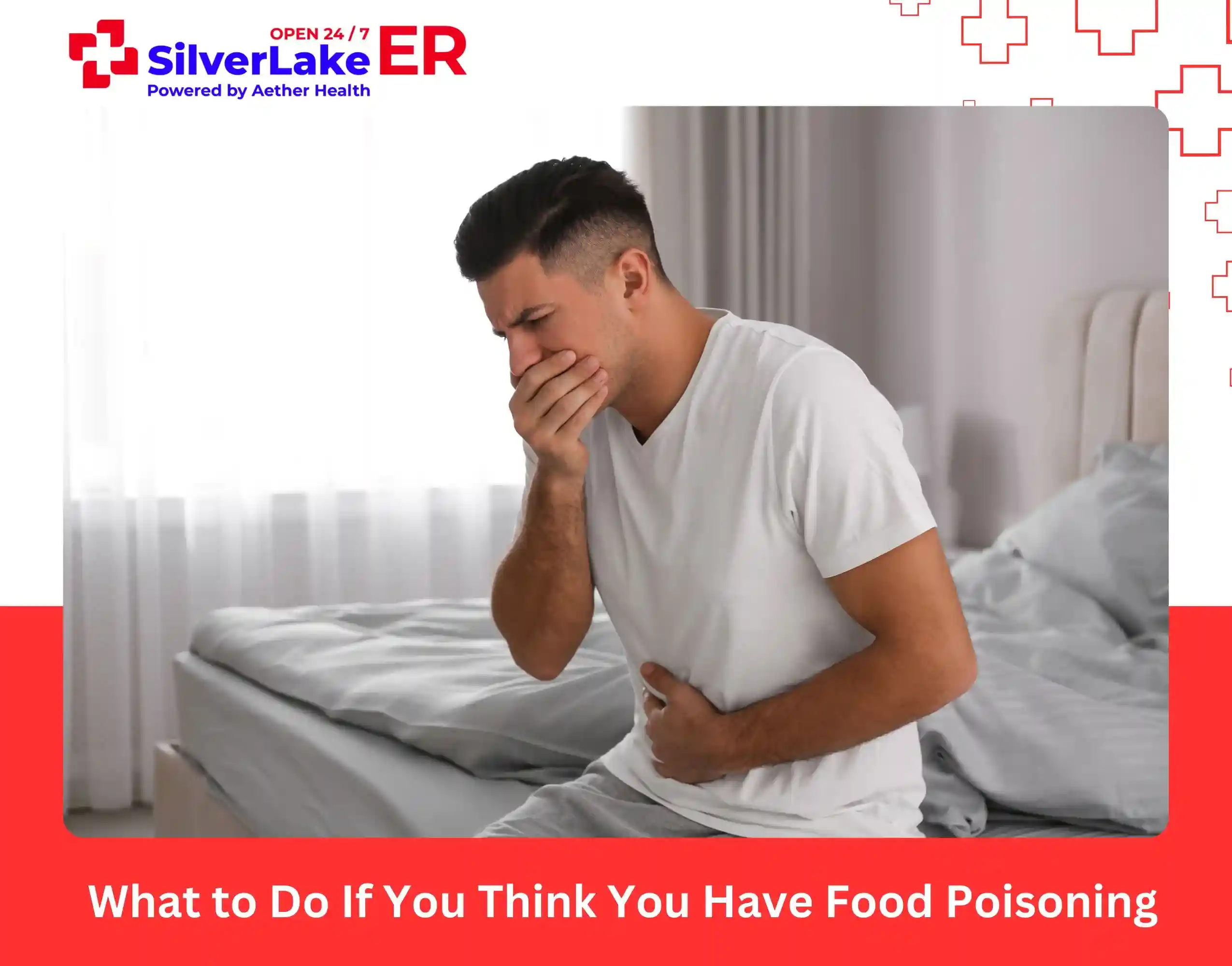
If it is food poison, treat with supportive care:
- Stay hydrated with water or electrolyte drinks
- Rest and avoid heavy or greasy foods
- Eat light, bland meals when able
You should also keep track of what you ate and when symptoms started. In some cases, healthcare providers may recommend testing to identify the cause.
Final Thoughts
So, how to know if you have food poisoning?
The clearest signs are sudden nausea, vomiting, diarrhea, stomach cramps, and fever, especially if they begin within hours of eating.
If symptoms start quickly after a meal and mainly affect your digestive system, food poisoning is the likely cause.
FAQs
What is the first sign of food poisoning?
Nausea and vomiting are often the earliest signs, especially within hours of eating contaminated food.
How do I confirm food poisoning?
It is usually identified based on symptoms and timing, though medical tests can confirm the cause if needed.
Can food poisoning go away on its own?
Yes, most cases resolve within 1–2 days without treatment.
Is diarrhea always present in food poisoning?
It is very common but not always present in every case.
How do I know if it’s food poisoning or a virus?
Food poisoning usually starts quickly after eating, while viruses take longer and can spread between people.