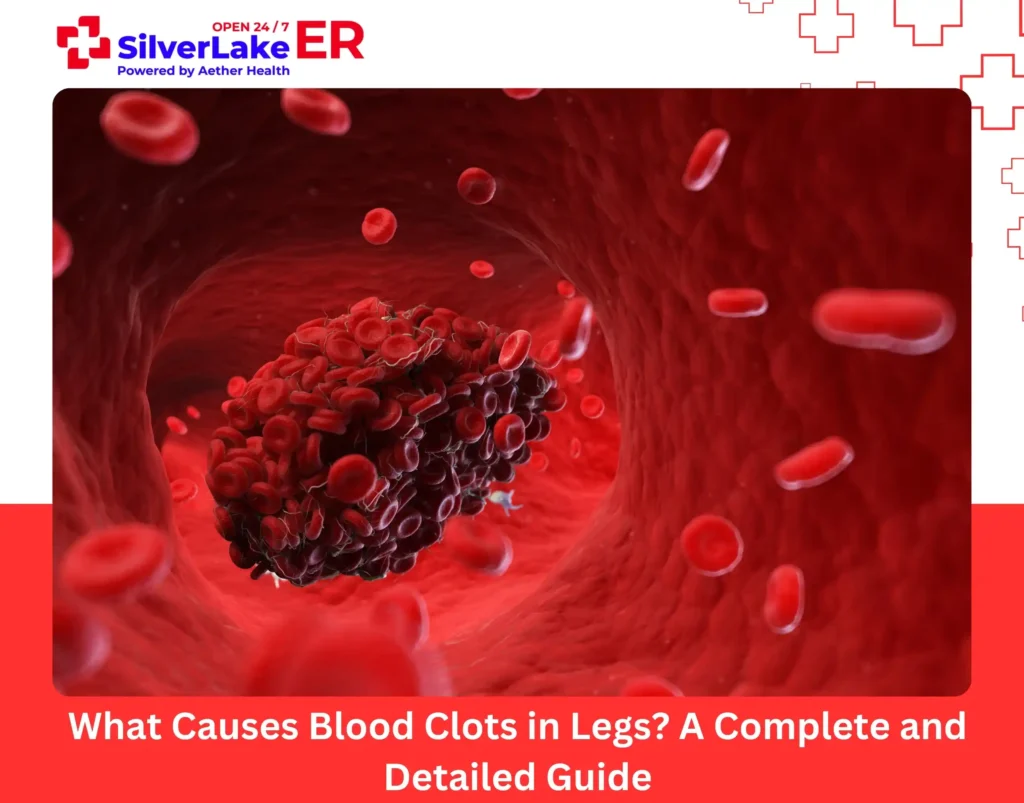
Blood clots in the legs are a serious health condition that can become life-threatening if not treated promptly. Medically known as deep vein thrombosis (DVT), these clots form in the deep veins, usually in the calf or thigh and can block normal blood flow.
Understanding what causes blood clots in legs is essential for prevention, early detection, and timely treatment. This comprehensive guide explains all major causes, risk factors, symptoms, and prevention strategies in detail.
What Is a Blood Clot in the Leg?
A blood clot is a clump of blood that has thickened and formed a solid or semi-solid mass. While clotting is a normal process that helps stop bleeding, clots can become dangerous when they form inside veins without injury.
In the case of DVT:
- The clot forms in a deep vein.
- Blood flow becomes restricted.
- Pressure builds up in the affected area.
If part of the clot breaks off and travels to the lungs, it can cause a pulmonary embolism, which is a medical emergency. If you are experiencing symptoms of blood clots, be sure to opt for timely blood clot emergency care near you.
How Do Blood Clots Form?
Blood clots in the legs usually develop due to a combination of three main factors, often referred to as Virchow’s triad:
- Slow or reduced blood flow.
- Damage to blood vessels.
- Increased tendency for blood to clot.
When one or more of these factors are present, the risk of clot formation increases significantly.
Main Causes of Blood Clots in the Legs
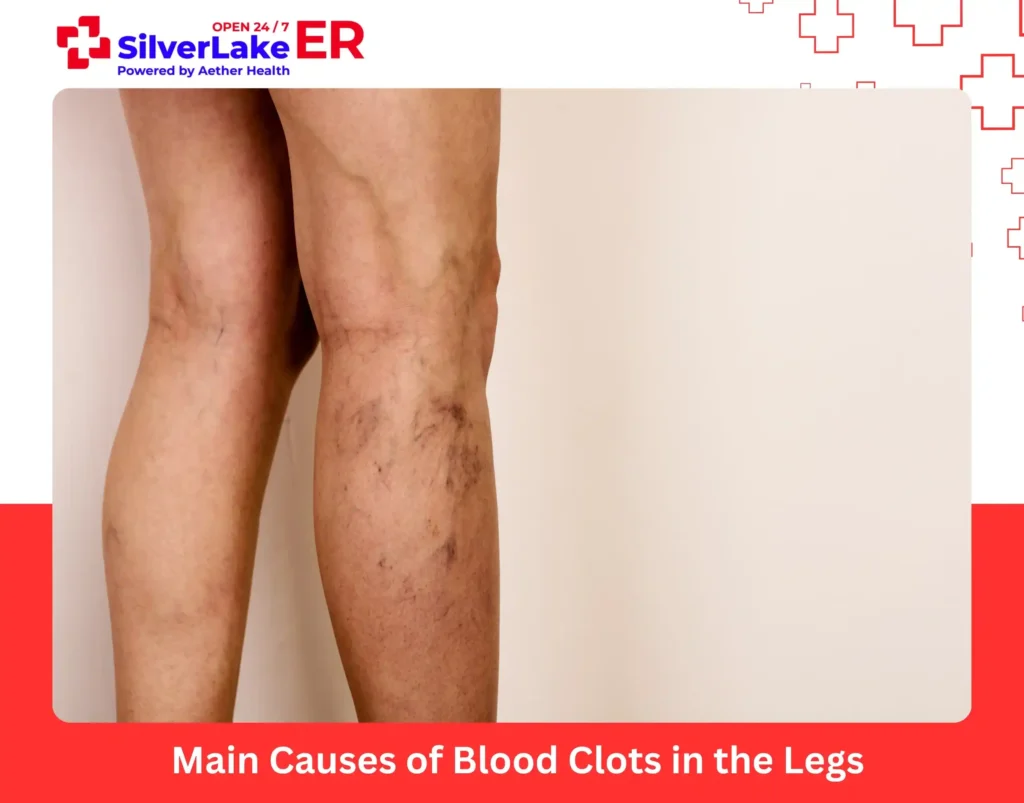
1. Prolonged Immobility
One of the most common causes of blood clots is staying still for long periods.
This can happen during:
- Long flights or road trips.
- Extended bed rest after illness or surgery.
- Sitting for hours without movement.
When the legs remain still, blood flow slows down, especially in the deep veins. This creates the perfect environment for clots to form.
2. Surgery and Injury
Surgical procedures, particularly those involving the lower body, significantly increase the risk of blood clots.
This happens because:
- Blood vessels may be damaged during surgery.
- The body’s clotting response becomes more active.
- Recovery often involves reduced movement.
Injuries such as fractures or muscle damage can also trigger clot formation.
3. Medical Conditions
Certain health conditions make the blood more likely to clot.
These include:
- Heart disease.
- Inflammatory conditions.
- Blood clotting disorders.
Some people inherit conditions that make their blood clot more easily, increasing their lifetime risk.
4. Hormonal Factors
Hormones can influence how blood clots.
Risk increases with:
- Birth control pills.
- Hormone replacement therapy.
These hormonal changes can make the blood thicker and more prone to clotting.
5. Obesity and Lifestyle Factors
Excess body weight puts pressure on veins and slows circulation in the legs.
Other lifestyle factors that increase risk include:
- Lack of physical activity.
- Poor diet.
These factors contribute to reduced blood flow and increased clotting risk.
6. Age
The risk of blood clots increases with age, especially after 60.
As people age:
- Blood vessels may become less flexible.
- Circulation slows down.
- Other health conditions become more common.
This combination makes clot formation more likely.
7. Previous Blood Clots
If you’ve had a blood clot before, your risk of developing another one is significantly higher.
This may be due to:
- Ongoing underlying conditions.
- Permanent changes in blood vessels.
- Increased clotting tendency.
Symptoms of Blood Clots in the Legs
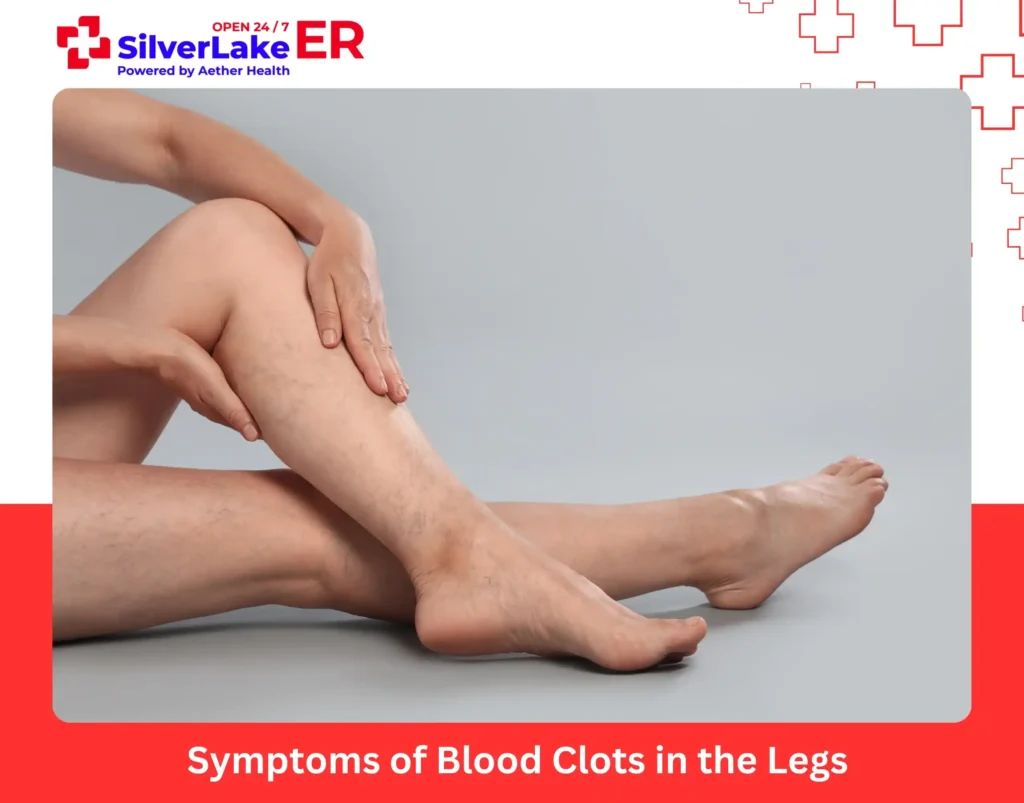
Blood clots don’t always cause obvious symptoms, but when they do, they may include:
- Swelling in one leg.
- Pain or tenderness (often in the calf).
- Warmth in the affected area.
- Red or discolored skin.
These symptoms may develop gradually or suddenly and should not be ignored.
Why Blood Clots in the Legs Are Dangerous
The biggest danger of a blood clot is that it can break loose and travel to the lungs, causing a pulmonary embolism.
This can lead to:
- Sudden shortness of breath.
- Chest pain.
- Rapid heart rate.
This is a life-threatening emergency that requires immediate medical attention.
How to Prevent Blood Clots in the Legs
Stay Active
Regular movement is one of the best ways to prevent clots. Even simple actions like walking or stretching help maintain healthy blood flow.
Avoid Sitting for Long Periods
If you must sit for long hours:
- Take breaks to stand and move.
- Stretch your legs.
- Flex your feet regularly.
This is especially important during travel.
Maintain a Healthy Weight
Keeping a healthy weight reduces pressure on veins and improves circulation.
Stay Hydrated
Proper hydration helps keep blood from becoming too thick, reducing clot risk.
Follow Medical Advice After Surgery
Doctors may recommend:
- Blood thinners.
- Compression stockings.
- Early movement.
Following these instructions is critical for preventing complications.
When to Seek Medical Help
You should seek immediate medical attention or visit the nearest emergency room, if you experience:
- Sudden leg swelling.
- Severe leg pain.
- Difficulty breathing.
- Chest pain.
These symptoms may indicate a serious complication and require urgent care.
Final Thoughts
So, what causes blood clots in legs?
They are usually caused by a combination of reduced blood flow, vessel damage, and increased clotting tendency, often triggered by factors like immobility, surgery, or underlying health conditions.
Blood clots can be dangerous, but understanding the causes and taking preventive steps can significantly reduce your risk.
FAQs
What is the most common cause of blood clots in the legs?
Prolonged immobility, such as sitting for long periods, is one of the most common causes.
Are blood clots in the legs dangerous?
Yes, they can become life-threatening if they travel to the lungs.
How do I know if I have a blood clot in my leg?
Symptoms include swelling, pain, warmth, and redness in one leg.
Can blood clots go away on their own?
Some may resolve, but medical treatment is often needed to prevent complications.
How can I prevent blood clots in my legs?
Stay active, avoid long periods of sitting, stay hydrated, and follow medical advice if at risk.