Few medical questions get asked more quietly than this one. People think about it after losing someone to sudden cardiac death. They think about it when a family member’s heart condition worsens. They think about it alone at night when their own health weighs on their mind. Is it painful to go into cardiac arrest? The reassuring part of the answer is that the moment itself, the collapse and loss of consciousness, is generally not painful in the way most people fear.
The complete picture is more nuanced. Many cardiac arrests follow warning signs that can involve chest pain, pressure, or shortness of breath in the minutes or hours before collapse. These advance symptoms are often what people later describe as the painful part. The cardiac arrest event itself, the point when the heart stops and consciousness fades, happens too quickly for most people to register pain. Understanding the difference matters for how you process a loss, what you watch for, and when to seek help.
| Quick Answer
No, the cardiac arrest event itself is generally not painful. When the heart stops pumping, the brain loses oxygen within seconds and consciousness fades quickly, usually in 5 to 15 seconds. Most survivors do not recall the moment of collapse. However, the minutes or hours leading up to a cardiac arrest can involve pain, especially if the cause is a heart attack. Chest pressure, shortness of breath, nausea, or anxiety may precede the event. These warning signs are often what people describe as painful, not the arrest itself. |
What Cardiac Arrest Actually Does to Awareness
When the heart stops pumping blood, the brain is the first organ to notice. Blood pressure drops to zero within seconds, and the brain runs out of oxygen almost immediately. According to MedlinePlus, the U.S. National Library of Medicine’s resource on cardiac arrest, unconsciousness typically occurs within 10 to 20 seconds of the heart stopping, well before most people could process pain.¹
The brain shuts down awareness in a specific order. Higher thought processes fade first, followed by awareness of surroundings, then sensory perception. By the time the body is fully unresponsive, the brain has already stopped registering sensation. Our detailed guide on why cardiac arrest happens explains the underlying electrical failure that triggers this entire cascade.
Survivors who regain consciousness after successful resuscitation most often recall the symptoms before collapse, not the collapse itself.
IN SHORT: Cardiac arrest causes rapid loss of consciousness within 10 to 20 seconds. The brain shuts down faster than it can register pain, which is why survivors rarely remember the event.
The Experience Second by Second

Understanding the physical sequence of a cardiac arrest helps answer the pain question more precisely. Here is what happens in the first critical seconds.
Seconds 0 to 5 The heart stops effective pumping. The person may feel a brief sensation of lightheadedness, dizziness, or a strange flutter. Some describe it as a wave of weakness. Others feel nothing at all before they collapse.
Seconds 5 to 15 Loss of consciousness begins. Blood pressure drops to zero. Vision darkens. Awareness fades. By about 10 to 15 seconds, most people are fully unconscious and no longer processing pain or sensation.
Seconds 30 and beyond Agonal breathing or stillness. Some people exhibit agonal gasping, which looks and sounds alarming to witnesses but is a brainstem reflex, not conscious breathing. The person is unaware at this point.
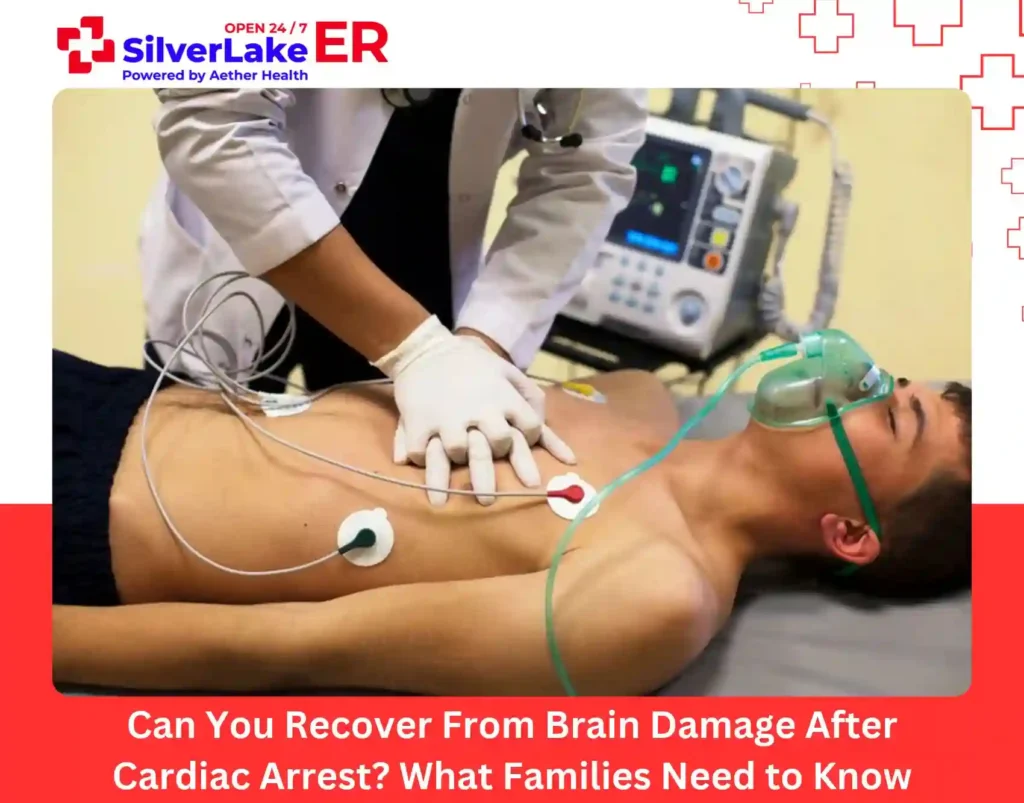
Minutes 2 and beyond Brain tissue begins to suffer. Without CPR, brain cells start dying from oxygen deprivation. The person has no awareness, no pain, and no experience of what is happening. This is why bystander CPR within the first minutes is life-saving.
Physical Changes vs. Subjective Experience
This reference matches each physical stage of cardiac arrest with what the person experiences, if anything, during it.
| Stage | What’s Happening Physically | What the Person Experiences |
| Before the arrest | Warning signs from heart stress | Chest pressure, shortness of breath, nausea, anxiety |
| Moment of arrest | Heart stops pumping effectively | Brief lightheadedness, weakness, or nothing |
| First 15 seconds | Blood pressure drops, brain loses oxygen | Fading awareness, darkening vision |
| After 15 seconds | Complete unconsciousness | No awareness, no pain, no memory |
| Minutes later (no CPR) | Brain cell damage begins | No experience at all |
Pain Reports From Cardiac Arrest Survivors
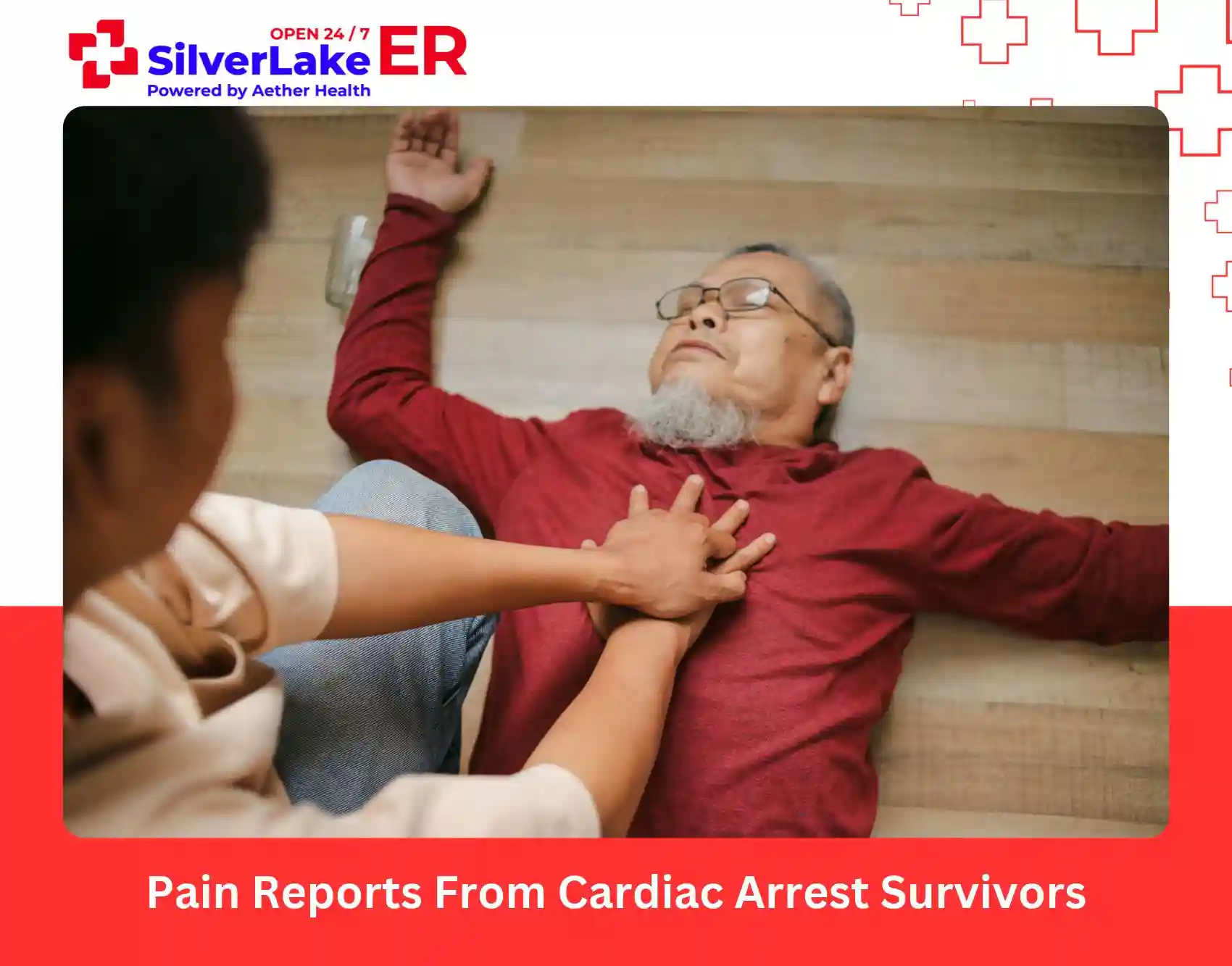
Research on near-death experiences and interviews with resuscitated cardiac arrest patients produces remarkably consistent accounts. Most survivors remember feeling unwell in the minutes or hours before collapse. Common descriptions include a sense of impending doom, crushing chest discomfort if a heart attack triggered the event, breathlessness, cold sweating, or a strange feeling of dread.
Very few survivors describe pain during the actual loss of consciousness. Those who do typically report it as brief and fading, consistent with the rapid shutdown of pain perception. Understanding the 5 warning signs of cardiac arrest helps you recognize when the painful advance symptoms are happening, which is the window when action can prevent the event entirely. For anyone with a known cardiac condition, our cardiac arrest emergency care team at Silverlake ER is equipped to handle both pre-arrest intervention and full resuscitation around the clock.
Cardiac Arrest vs. Heart Attack Pain: Not the Same Thing
Many people use the words cardiac arrest and heart attack interchangeably, but they are different events with different pain profiles. The Centers for Disease Control and Prevention emphasizes that a heart attack is a circulation problem (a blocked artery), while cardiac arrest is an electrical problem (the heart stops pumping). Each produces a distinct experience.²
A heart attack can be painful, and the pain can last minutes to hours. People describe it as crushing, squeezing, or like an elephant on the chest. Awareness remains intact throughout, which is why heart attack pain registers so vividly and is something survivors can describe.
A cardiac arrest happens too fast for pain to register. Loss of consciousness arrives in seconds. If a heart attack triggers a cardiac arrest, the pain is from the heart attack phase, not the arrest itself. For evaluation of suspicious chest symptoms before they progress, our chest pain emergency care team provides on-site EKG, cardiac blood tests, and rapid triage. For a confirmed or suspected heart attack, our heart attack emergency care team handles the full spectrum of cardiac events, including fast evaluation of symptoms that could lead to arrest if ignored.
When Warning Signs Give You a Chance to Act
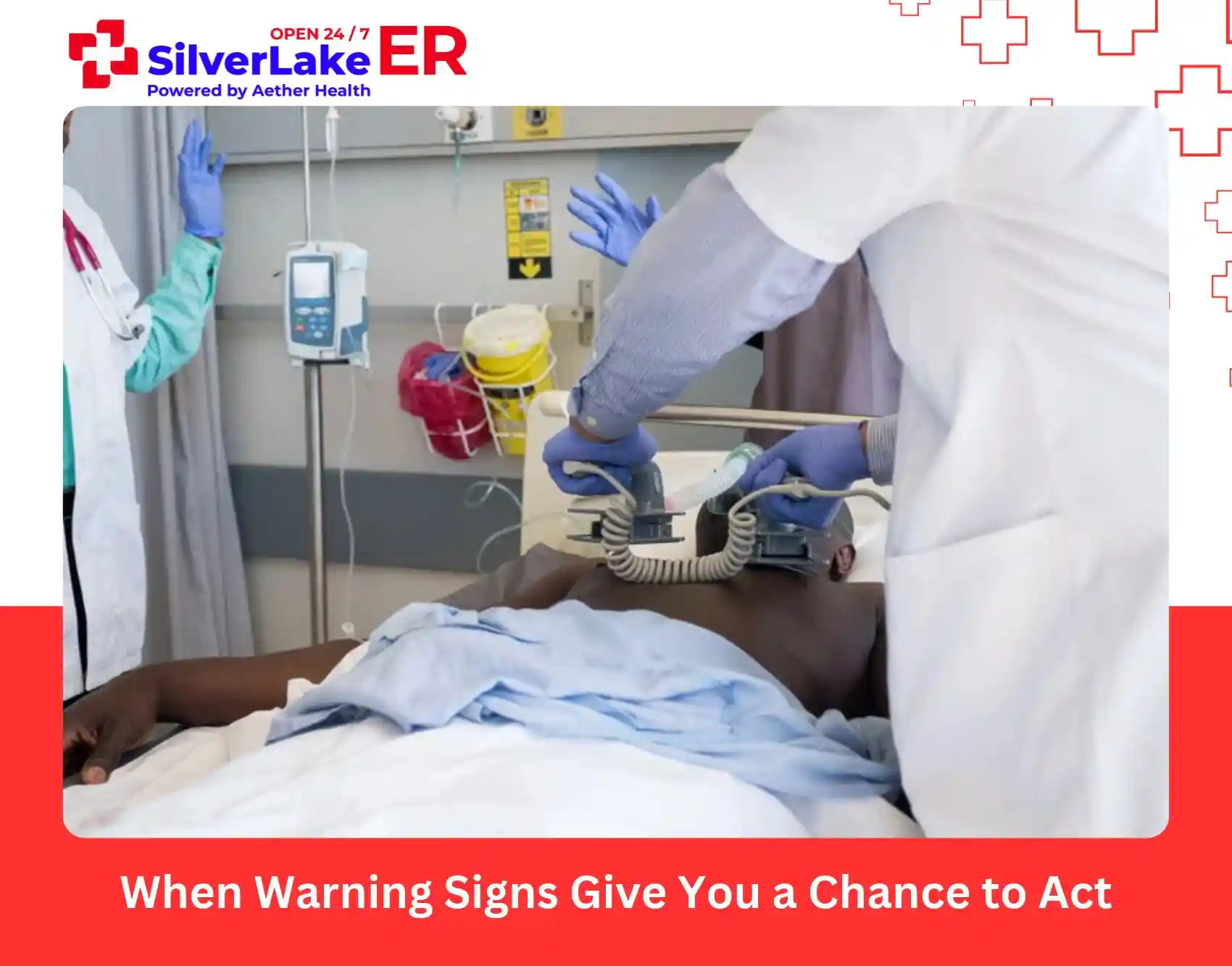
About half of cardiac arrests happen with no warning. The other half follow symptoms that appear minutes to days before the event. Recognizing these signs is the difference between a survivable emergency and a preventable death.
- Chest pain or pressure lasting more than a few minutes, especially with sweating or nausea.
- Shortness of breath at rest or with mild activity.
- Fainting or near-fainting, especially during exertion.
- Heart palpitations that feel unusually fast, slow, or erratic.
- Severe anxiety or a sense of impending doom combined with any cardiac symptom.
- Unusual fatigue or weakness that comes on suddenly.
These warning signs are your chance to act before the painless-but-fatal event occurs. For severe or sudden cardiac symptoms, our severe emergency care center provides rapid triage, EKG, cardiac blood tests, and imaging in one visit so treatable causes can be addressed before they progress.
Frequently Asked Questions
Does cardiac arrest hurt when it happens?
Generally no. Consciousness fades within 10 to 20 seconds of the heart stopping, before the brain can process pain. Most survivors do not recall the event itself, though many remember symptoms that preceded the collapse.
What does cardiac arrest feel like just before it happens?
Some people feel lightheadedness, chest pressure, shortness of breath, heart palpitations, or a sense of impending doom. Others feel nothing at all and simply collapse. Experiences vary depending on the underlying cause.
Is cardiac arrest the same as a heart attack?
No. A heart attack is a blockage that cuts off blood flow to heart muscle. Cardiac arrest is an electrical failure that stops the heart from pumping. A heart attack can trigger cardiac arrest, which is why rapid treatment matters.
Do people feel pain while being resuscitated?
During resuscitation, the person is unconscious and does not feel pain, even when receiving CPR or defibrillation. Chest compressions can cause injury (such as broken ribs), but the person is not aware while it is happening.
Can you prevent cardiac arrest if you feel it starting?
Sometimes. If warning signs appear and you call 911 fast, treatment can prevent cardiac arrest from happening. Sit or lie down, call for help immediately, and do not drive yourself. Fast medical response is your best chance.
Concerned About Cardiac Symptoms in Pearland?
Chest symptoms or cardiac warning signs deserve fast professional evaluation. Silverlake ER is a freestanding emergency room open 24/7 at 2752 Sunrise Blvd, Pearland, TX 77584, with EKG, cardiac blood tests, imaging, and board-certified emergency physicians on-site. Call +1 (713) 528-8703, walk in anytime, or contact our team with questions.
Call 911 immediately for sudden collapse, no breathing or gasping breaths, no pulse, or unresponsive person. Start hands-only CPR right away while someone calls 911. Chest pain or pressure lasting more than a few minutes also warrants a 911 call before cardiac arrest can develop.
External References Links :
1.MedlinePlus, the U.S. National Library of Medicine’s resource on cardiac arrest
2.Centers for Disease Control and Prevention