A low platelet count — known medically as thrombocytopenia — can make your body more prone to bleeding and bruising. Platelets (or thrombocytes) are tiny blood cells that help form clots to stop bleeding. When they drop below the normal range (150,000–450,000 per microliter of blood), even small injuries can cause noticeable bleeding.
Let’s explore the signs of low platelet count so that you can prevent serious complications and ensure timely diagnosis and treatment.
What Does a Low Platelet Count Mean?
Thrombocytopenia occurs when your body either:
- Doesn’t produce enough platelets (due to bone marrow problems or certain infections),
- Destroys platelets too quickly (as in immune or drug-related reactions), or
- Uses them up faster than they can be replaced (in conditions like sepsis or disseminated intravascular coagulation).
Mild cases may go unnoticed, but moderate to severe platelet drops can cause visible signs and bleeding that require urgent care.
Symptoms of a Low Platelet Count
A low platelet count, medically known as thrombocytopenia, may not always cause noticeable symptoms. People with mildly low platelet levels can sometimes feel completely normal, especially when the decrease is discovered during a routine blood test. However, as platelet levels drop, the risk of unusual bruising and bleeding may increase.
Skin and Surface Signs
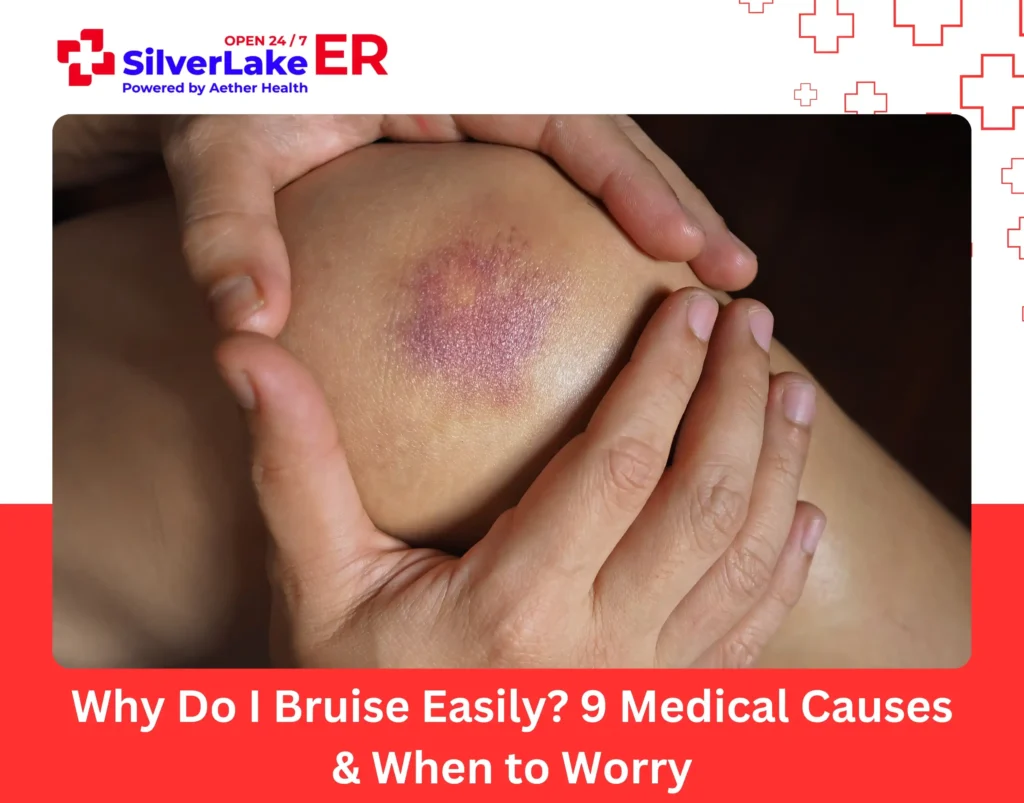
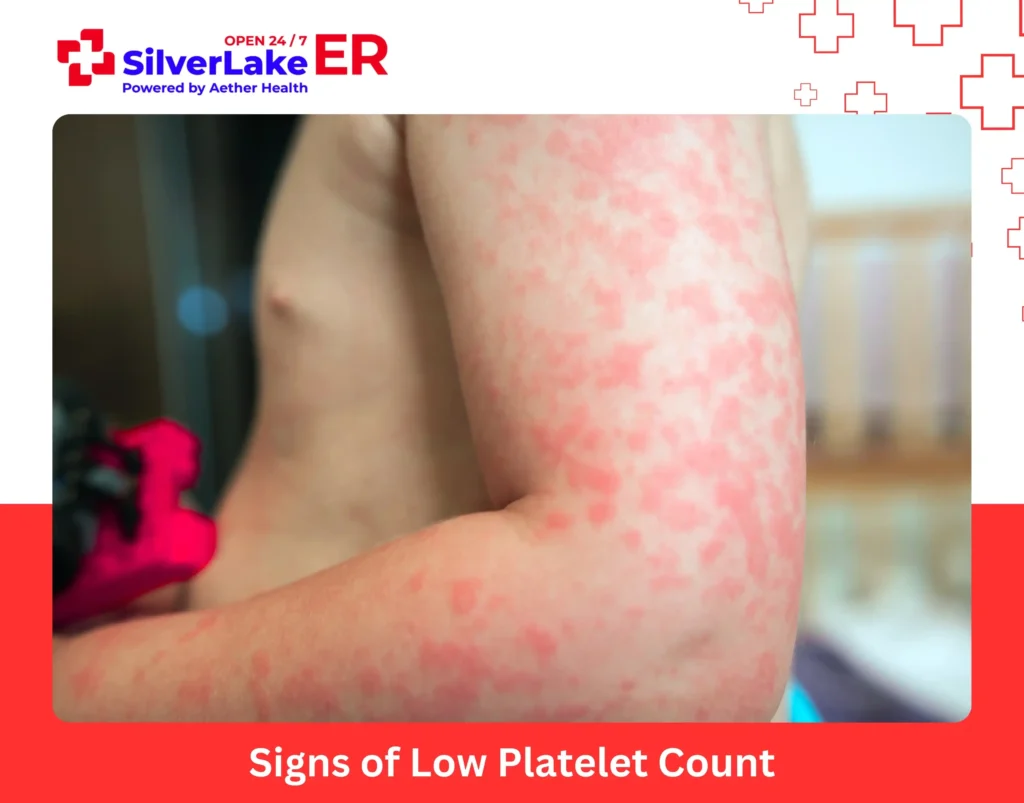
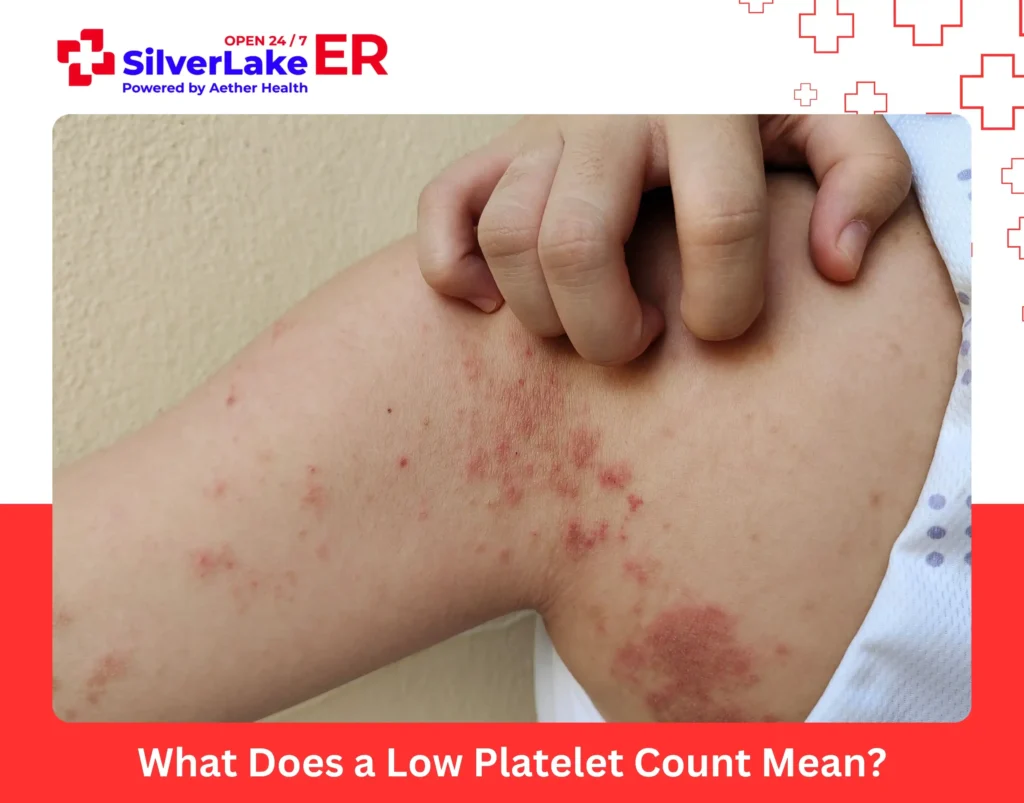
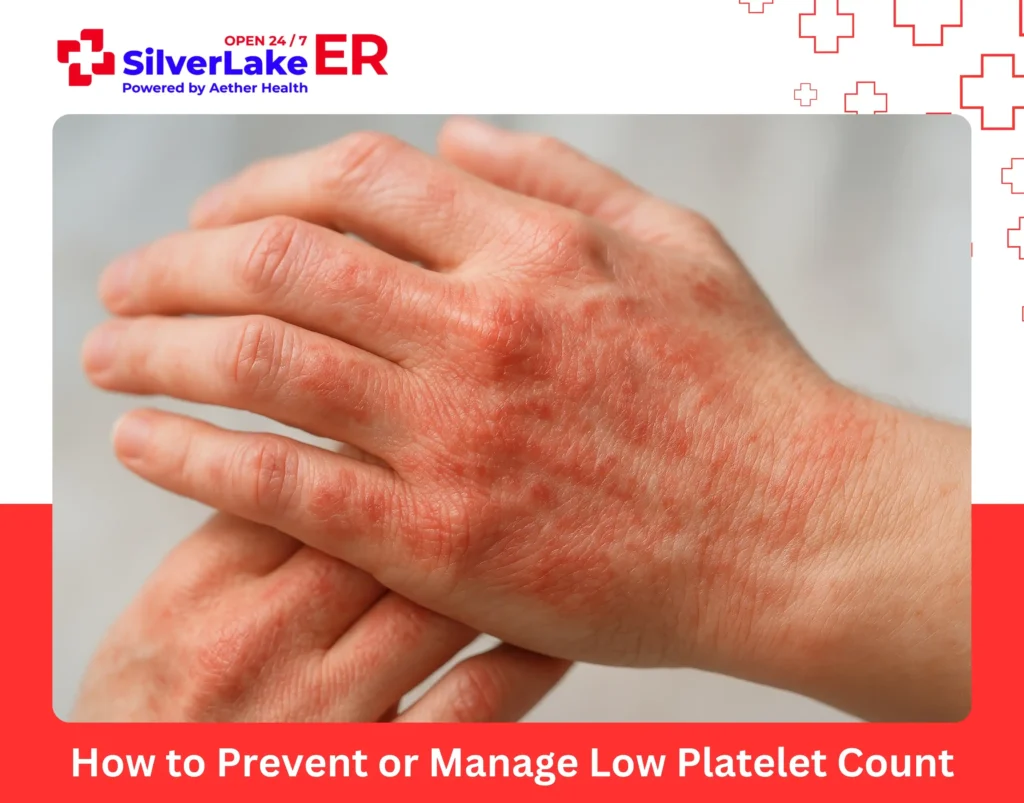
One of the first signs of a low platelet count may be changes in the skin or unexplained bleeding. You may notice that bruises develop more easily than usual or that even minor cuts take longer to stop bleeding. Small pinpoint spots known as petechiae may also appear on the skin. These tiny red, purple, or brown spots can resemble a rash and may develop when small blood vessels bleed beneath the skin.
Other possible signs include frequent nosebleeds, bleeding gums while brushing or flossing, and larger purple or reddish areas of bruising known as purpura. While these symptoms can have different causes, persistent or unexplained bleeding should be evaluated by a healthcare professional.
Internal and Heavy Bleeding
In some cases, a significantly low platelet count can lead to heavier or more noticeable bleeding. Women may experience unusually heavy or prolonged menstrual bleeding. Blood may also appear in the urine or stool, causing urine to look pink, red, or brown or stools to appear bright red or black and tarry.
Other concerning symptoms can include vomiting blood or coughing up blood. These symptoms may indicate internal bleeding or another serious medical condition and should not be ignored.
Common Signs of Low Platelet Count
1. Easy or Excessive Bruising (Purpura)
Unexplained or frequent bruises, especially on arms, legs, or torso, are among the earliest signs of low platelet count. They occur because damaged blood vessels leak under the skin when clotting is impaired.
2. Tiny Red or Purple Dots (Petechiae)
Petechiae are pinpoint spots that appear on the skin, often on the lower legs, ankles, or inside the mouth. They don’t blanch (fade) when pressed and are caused by bleeding under the skin.
3. Prolonged Bleeding from Cuts
If minor wounds or nosebleeds take unusually long to stop, it may suggest inadequate platelets for proper clot formation.
4. Bleeding Gums or Nosebleeds
Frequent gum bleeding while brushing or spontaneous nosebleeds (epistaxis) are classic warning signs of thrombocytopenia.
5. Heavy or Irregular Menstrual Periods
Women with low platelet counts often experience menorrhagia (abnormally heavy periods) or prolonged bleeding between cycles.
6. Blood in Urine or Stool
Visible blood (red or dark-colored urine or black/tarry stool) may indicate internal bleeding in severe cases.
7. Fatigue and Weakness
Ongoing blood loss or platelet disorders can cause anemia and fatigue due to reduced oxygen delivery to tissues.
8. Enlarged Spleen or Yellow Skin
In conditions like viral infections or liver disease, the spleen may trap platelets, causing low counts and mild jaundice.
When to Seek Immediate Medical Help for Low Platelet Count
Contact a healthcare provider right away if you notice:
- Bleeding that won’t stop
- Vomiting or coughing up blood
- Severe headache or vision changes
- Blood in stool or urine
- Unexplained, spreading bruises or rash
- Shortness of breath or chest discomfort
These could indicate dangerously low platelet levels or internal bleeding requiring emergency treatment.
Causes of Low Platelet Count
Some of the most common causes include:
- Infections: Viral illnesses such as dengue, HIV, hepatitis C, or Epstein-Barr virus.
- Medications: Heparin, antibiotics (sulfa drugs), anticonvulsants, and chemotherapy agents.
- Autoimmune diseases: Lupus or immune thrombocytopenic purpura (ITP).
- Bone marrow disorders: Leukemia, aplastic anemia, or myelodysplastic syndromes.
- Chronic liver disease: Impaired clotting factor synthesis and splenic sequestration.
- Nutritional deficiencies: Low vitamin B12 or folate affecting blood cell production.
How Doctors Diagnose Low Platelet Count
If low platelets are suspected, doctors may order lab tests, including:
- Complete blood count (CBC): To measure platelet levels.
- Peripheral blood smear: To assess platelet size and morphology.
- Bone marrow biopsy: If bone marrow production problems are suspected.
- Viral tests and liver function tests: To detect infections or systemic diseases.
Treatment Options for Low Platelet Count
Treatment depends on the cause and severity:
- Mild cases: May only need monitoring and avoidance of certain drugs (like NSAIDs).
- Immune thrombocytopenia (ITP): Managed with corticosteroids, IV immunoglobulin (IVIG), or platelet transfusions.
- Severe or life-threatening bleeding: Requires urgent platelet transfusions and hospitalization.
- Addressing underlying cause: Stopping offending medications, treating infections, or managing chronic liver or autoimmune disease.
How to Prevent or Manage Low Platelet Count
- Eat a balanced diet rich in vitamin B12, folate, and iron.
- Avoid unnecessary use of aspirin or NSAIDs, which can impair platelet function.
- Limit alcohol, which can suppress bone marrow.
- Protect yourself from infections by maintaining hygiene and getting recommended vaccines.
- Consult your doctor before starting any new medicine or supplement.
When Should You Seek Medical Care?
If you experience unexplained bruising, frequent bleeding, or symptoms that seem unusual or persistent, it is important to seek medical evaluation. A simple blood test, such as a complete blood count (CBC), can help determine whether your platelet count is low.
Seek prompt medical attention if you have active or heavy bleeding, bleeding that does not stop, blood in your vomit or stool, or other sudden and concerning symptoms. Getting evaluated can help identify the cause of the symptoms and determine whether further testing or treatment is needed.
Frequently Asked Questions
1. What is the normal platelet count?
A normal platelet count is between 150,000 and 450,000/µL of blood. Counts below 100,000 indicate thrombocytopenia.
2. Can low platelets make you feel tired?
Yes, chronic blood loss or bone marrow suppression can cause fatigue and weakness.
3. Can diet improve platelet levels?
Yes, foods rich in folate, vitamin B12, and iron help red and platelet cell production.
4. Is low platelet count dangerous?
Yes, low platelet count can be dangerous. Severe thrombocytopenia may lead to internal bleeding or even life-threatening hemorrhage if untreated.
5. When should I see a doctor?
Any persistent or unexplained bleeding, bruising, or petechiae warrants medical evaluation.