Bruising easily can result from minor bumps, fragile skin, aging, medicines, or a condition that affects clotting. Some people who bruise easily are otherwise healthy. However, a sudden change in your usual pattern, repeated unexplained bruises, or bruising with other bleeding symptoms deserves medical attention.
If you are asking “why do I bruise so easily,” consider when the change began, which medicines you take, and whether you have noticed unusual bleeding. The pattern gives your clinician more useful information than the color of one bruise.
What Does It Mean to Bruise Easily?
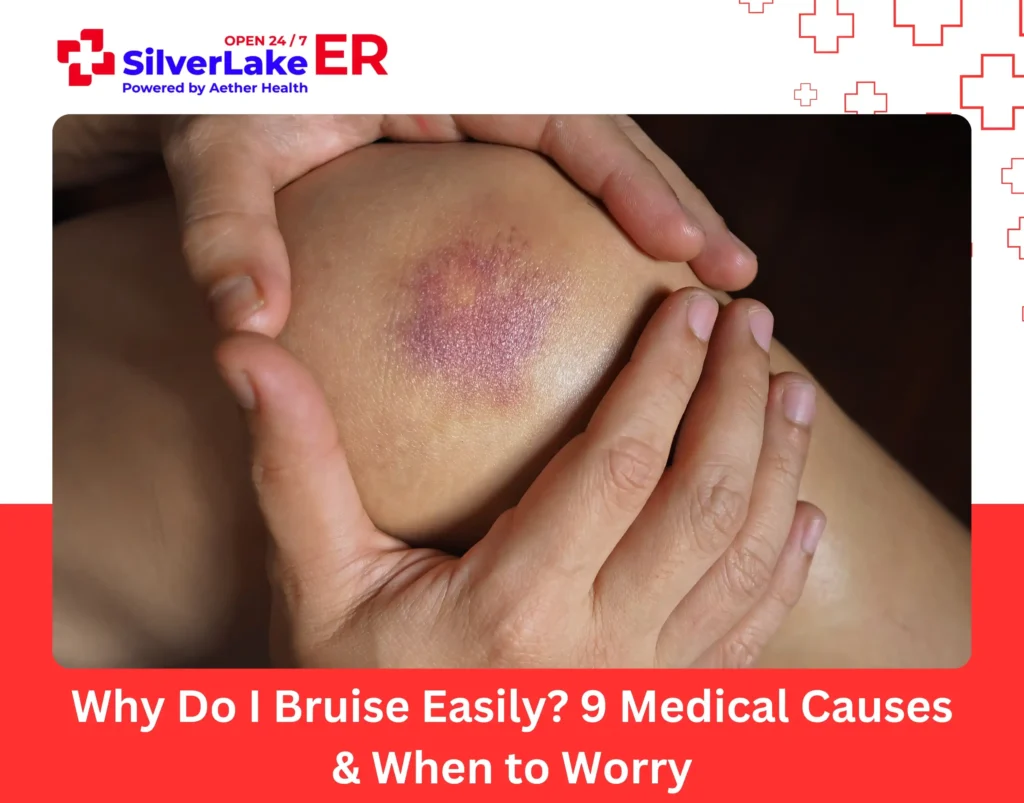
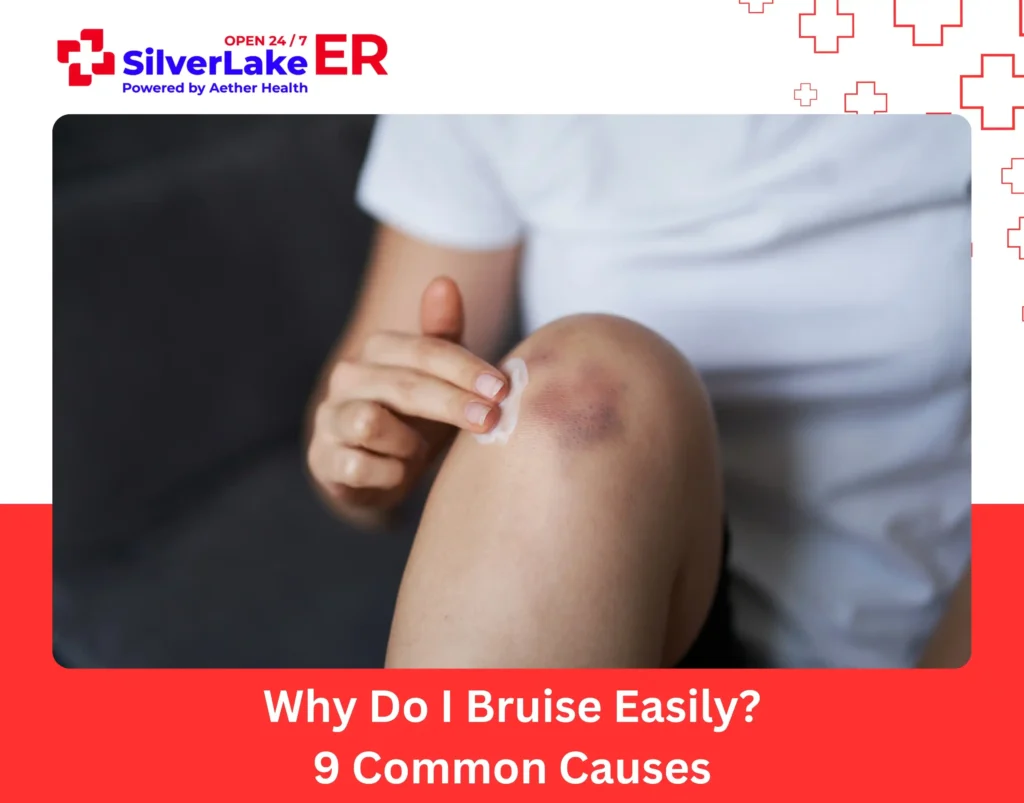
A bruise forms when small blood vessels are damaged and blood collects beneath the skin. It may appear after an obvious injury or after a small impact you do not remember. The body gradually reabsorbs the blood as the area heals.
Bruises may look red, purple, blue, or brown depending on skin tone and their stage of healing. Color alone cannot reliably show the age of a bruise or identify its cause.
Abnormal vs Normal Bruising
Normal bruising occurs on exposed areas like your shins, arms, or thighs after noticeable impacts. Abnormal bruising appears frequently with minimal trauma, develops in protected areas like your back or abdomen, or takes unusually long to heal.
Key warning signs include bruises that appear without any remembered injury, multiple bruises in various healing stages, or bruising accompanied by other symptoms like fatigue or unusual bleeding.
Why Do I Bruise Easily? 9 Common Causes
Bruising easily can result from various causes, ranging from harmless age-related changes to serious medical conditions. Let’s understand the common triggers to help you determine whether your bruising warrants medical attention.
1. Aging and Skin Thinning
We have a protective fat layer beneath the blood vessels that protects us from any trauma. As you age, this layer thins out, making blood vessels more fragile. This makes older adults more likely to sustain bruises from minor bumps that wouldn’t affect younger people.
2. Senile Purpura
Senile purpura appears as dark purple or red patches on forearms and hands. Unlike typical bruises, these marks don’t change color over time and result from excessive sun exposure weakening blood vessel walls. The damage accumulates over decades, making vessels so fragile they rupture from minimal contact.
While senile purpura is cosmetically concerning, it’s medically harmless and indicates chronic sun damage rather than underlying disease. However, it signals increased fragility that makes these areas prone to skin tears and injuries.
3. Medications
Certain medications increase bruising by affecting blood clotting or weakening blood vessels. Examples of such medications include:
- Blood thinners: Warfarin, aspirin, and clopidogrel reduce clotting ability
- NSAIDs: Ibuprofen and naproxen can interfere with platelet function
- Corticosteroids: Long-term prednisone use weakens skin and blood vessels
Certain herbal products and dietary supplements may also contribute to easy bruising or affect how blood clots. Supplements such as fish oil and other products that may influence platelet function can increase the likelihood of bruising in some people, particularly when combined with blood-thinning medications.
If you notice increased bruising after starting a new supplement, review it with your healthcare provider or pharmacist. Do not stop prescribed medications without medical advice.
If you observe unexplained bruises following a recent medication change, consult your doctor about potential alternatives.
4. Vitamin Deficiencies
Your body needs specific nutrients to maintain healthy blood vessels and proper clotting. The following vitamin deficiencies can lead to easy bruising:
- Vitamin C: Builds collagen that strengthen blood vessel walls
- Vitamin K: Essential for effective blood clotting
- Vitamin B12 and folate: Support healthy blood cell production
Poor diet, digestive disorders, or absorption problems can lead to these deficiencies.
5. Blood Disorders
Low platelets, platelet function problems, or disorders affecting clotting proteins can cause easy bruising. Examples include immune thrombocytopenia, von Willebrand disease, and hemophilia.
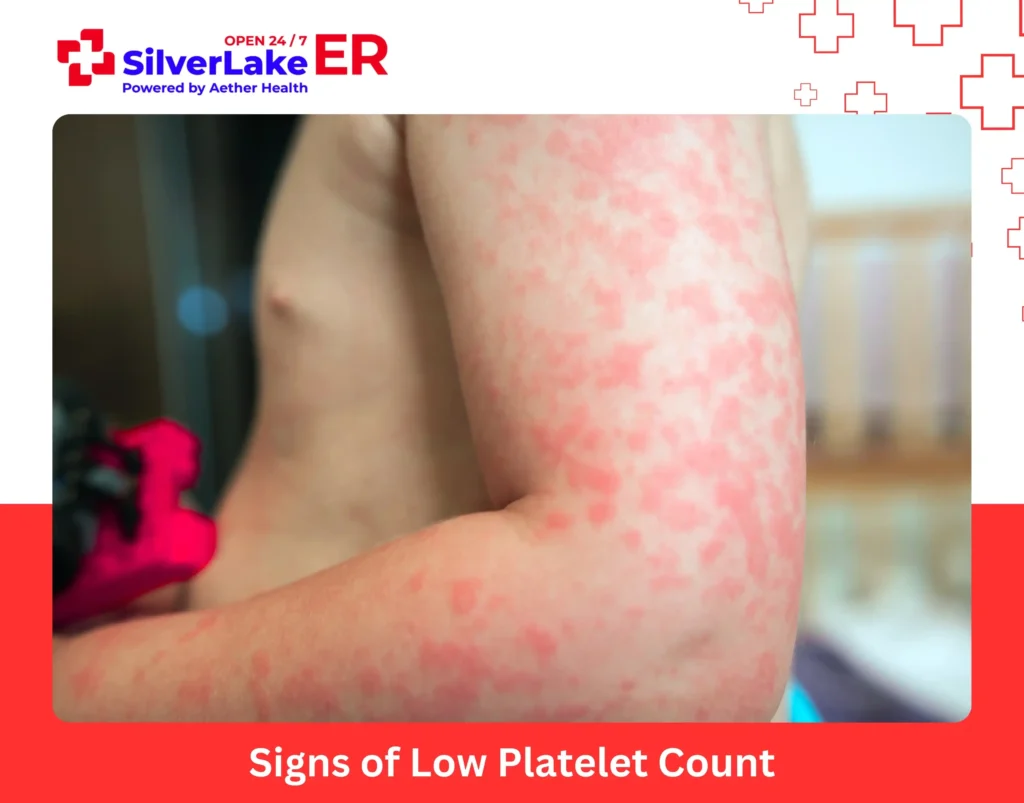
Certain bone marrow diseases or blood cancers can also affect blood cell production, but bruising alone does not establish these diagnoses. Your clinician considers other symptoms and laboratory findings. Read more about signs of low platelet count if bruising occurs alongside bleeding.
6. Family and Genetic History
Some people inherit a tendency toward easy bruising without having any specific disorder. If easy bruising runs in your family and medical tests rule out other conditions, genetics may be the answer.
7. Liver Disease
Your liver produces essential clotting factors that prevent excessive bleeding. When liver function becomes impaired through cirrhosis, hepatitis, or fatty liver disease, it can’t manufacture adequate clotting components, leading to easy bruising.
Liver-related bruising often appears with jaundice, abdominal swelling, or fatigue. The bruising may be more severe than expected and takes longer to heal. People with chronic alcohol use, viral hepatitis, or metabolic disorders face higher risk of liver-related clotting problems.
8. Intensive Workouts and Stress Trauma
Activities that involve heavy lifting, contact sports, or frequent bumping into objects can lead to bruises, even if you don’t remember the incident. People with physically demanding jobs or fitness routines may notice this more often.
9. Autoimmune Conditions
Autoimmune diseases like vasculitis cause inflammation that weakens blood vessel walls. When your immune system attacks healthy blood vessels, they become fragile and prone to rupture from minimal trauma.
Vasculitis-related bruising often appears as small red or purple spots that may cluster on legs. Unlike typical bruises, these marks may be accompanied by joint pain, fever, or rash. The challenge is that bruising may be the first symptom before other disease signs appear.
When Does Easy Bruising Require Medical Attention?
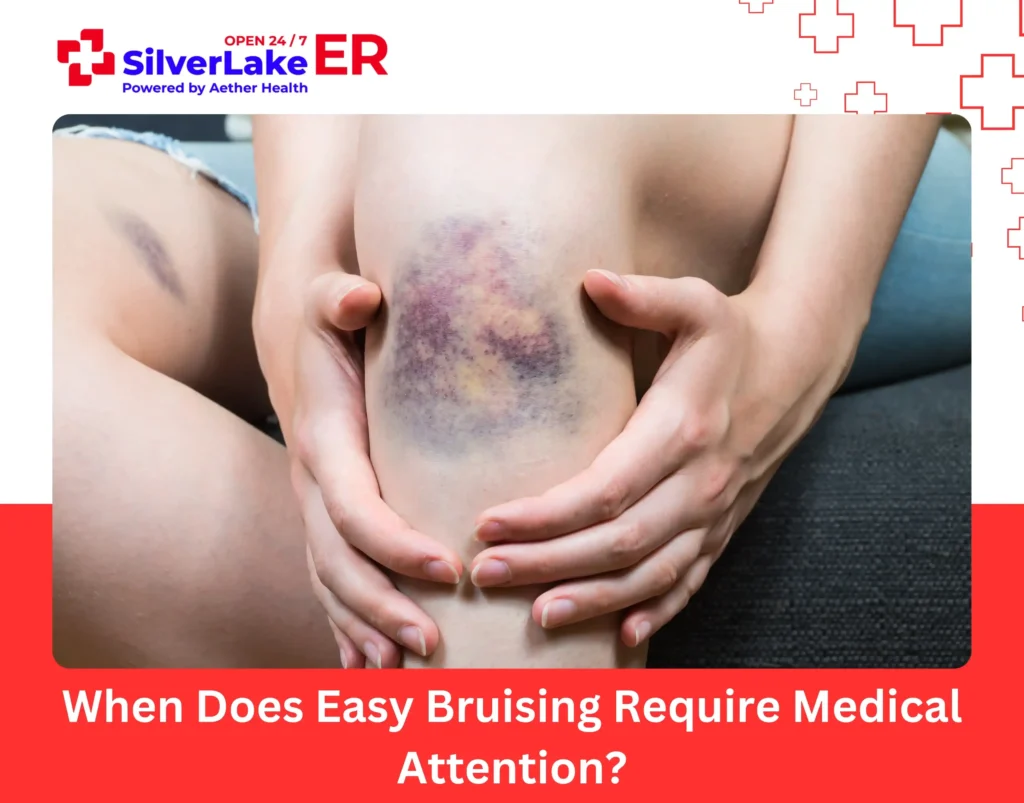
While most bruises are harmless and heal within two weeks, certain signs and symptoms indicate that easy bruising may require medical attention.
- Spontaneous bruising: Marks appearing without any remembered impact or injury
- Frequent bruising: Developing multiple bruises from minimal impact or normal daily activities
- Unusual locations: Bruising on your torso, back, or face where trauma is less likely
- Slow healing: Bruises lasting longer than two weeks or failing to change color
- Large size: Bruises bigger than a quarter or painful to a person’s touch and accompanied by swelling or hematomas
- Additional symptoms: Bruising accompanied by fatigue or unusual bleeding from nose, gums, or in urine and stool
How to Treat and Prevent Easy Bruising
The R.I.C.E. protocol helps reduce pain and swelling while accelerating healing:
1. Rest
Avoid activities that might worsen the bruised area. Give your body time to begin the healing process without additional trauma.
2. Ice
Apply an ice pack wrapped in a thin cloth for 15-20 minutes during the first 48 hours. Repeat 2-3 times daily. Cold therapy reduces blood flow to the area, minimizing swelling and numbing pain.
3. Compression
Gently wrap the area with an elastic bandage if swelling occurs. Make sure the wrap isn’t too tight; you should still feel circulation in the area.
4. Elevation
When possible, raise the bruised area above heart level. This helps reduce swelling by encouraging fluid drainage.
Preventing Future Bruising
- Improve lighting in your home to avoid bumping into furniture
- Wear protective gear during sports, physical, or outdoor activities
- Address nutritional deficiencies through diet or supplements
- Review medications with your doctor if bruising increases after starting new prescriptions
- Use moisturizer to keep skin healthy and more resilient
- Install safety features like grab bars if balance is an issue
How Long Should a Bruise Last?
Most minor bruises gradually improve and change color as the trapped blood beneath the skin is broken down and reabsorbed. The healing process can vary depending on the size and location of the bruise, but many uncomplicated bruises improve within about two weeks.
A bruise that becomes larger, increasingly painful, significantly swollen, or fails to show signs of improvement may need medical evaluation, especially if you are also experiencing frequent unexplained bruising or unusual bleeding.
Understanding Your Bruising Patterns
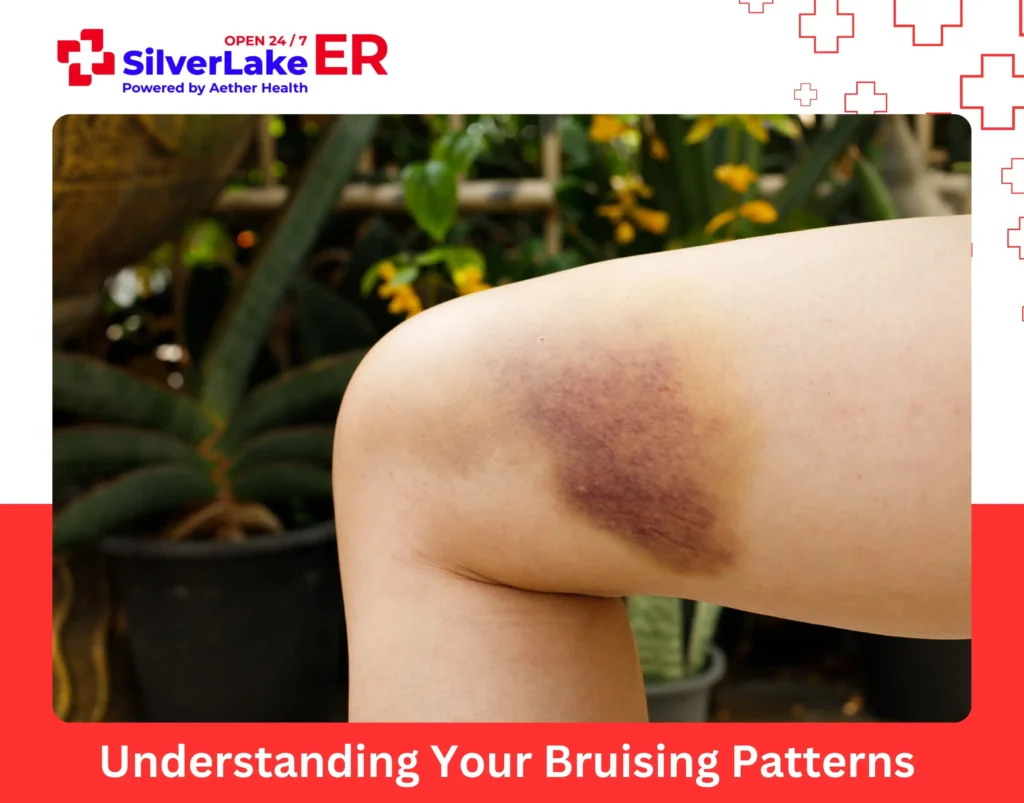
Most easy bruising stems from harmless causes like aging skin or certain medications. However, when bruising occurs alongside symptoms like fatigue, prolonged bleeding, or appears in unusual locations, it may indicate blood disorders or other medical conditions requiring evaluation.
Paying attention to your body, noting any changes, and seeking medical advice when necessary can help catch issues early and ensure your health stays on track.
Frequently Asked Questions
Why do some people bruise more easily than others
Differences in skin fragility, age, medicines, activity, and clotting can all contribute. A sudden change from your usual pattern is more important than comparing yourself with someone else.
Does bruising easily mean I have low platelets
Not necessarily. Low platelets are one possible cause. A blood test is needed to check the count, and other conditions can cause similar symptoms.
Can I tell how serious a bruise is from its color
No. Consider the injury, swelling, pain, progression, and any additional bleeding. Color is not a reliable diagnostic test.
Should I stop my blood thinner if I notice bruises
Do not stop it independently. Contact the prescriber about new or worsening bruising. Seek urgent care for significant bleeding or concerning injury symptoms.