

A spinal cord injury (SCI) is often associated with loss of movement or sensation in the body, but its effects go far beyond the spine. Many people don’t realize that a spinal cord injury can also significantly affect the brain, altering how it functions, processes information, and communicates with the body.
It is important to understand this connection because recovery is not just about healing the spine, it also involves changes in the brain’s structure, function, and adaptability. This guide explains in detail ‘how does a spinal cord injury affect the brain,’ why these changes happen, and what it means for recovery.
What Is a Spinal Cord Injury?
A spinal cord injury occurs when there is damage to the spinal cord, which is the main pathway that carries signals between the brain and the rest of the body.
This damage can result from:
- Trauma (car accidents, falls, sports injuries).
- Medical conditions (tumors, infections).
Depending on the severity, SCI can cause:
- Partial or complete paralysis.
- Loss of sensation.
- Changes in reflexes and body functions.
Because the spinal cord acts as a communication bridge, any disruption affects how the brain sends and receives signals. If any recent impact is making you suspicious of having such an injury, it’s better to visit the nearest emergency room for effective spinal injuries care.
The Brain–Spinal Cord Connection
The brain and spinal cord form the central nervous system, working together to control movement, sensation, and automatic body functions.
- The brain sends commands (like moving your arm).
- The spinal cord delivers those signals to the body.
- Sensory information travels back to the brain.
When the spinal cord is injured, this communication pathway is interrupted. As a result, the brain no longer receives accurate information from the body, and its outgoing signals may not reach their destination.
How a Spinal Cord Injury Affects the Brain
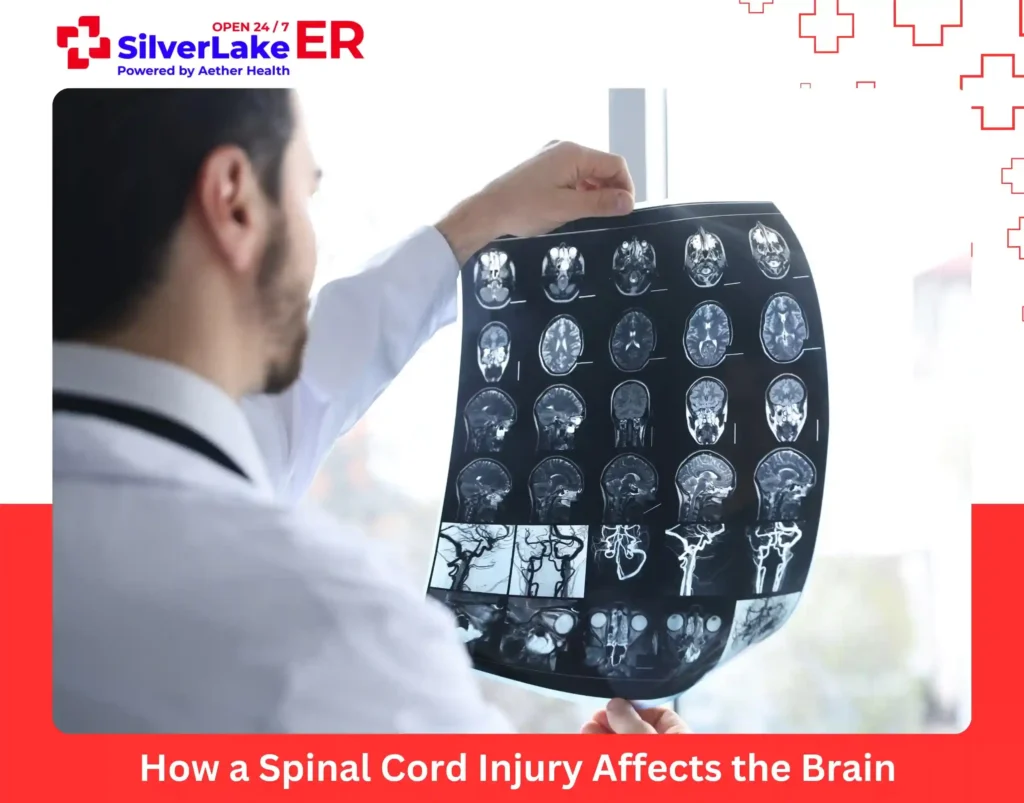
1. Changes in Brain Structure (Neuroplasticity)
One of the most important effects of SCI is neuroplasticity, which is the brain’s ability to reorganize itself.
After an injury:
- Areas of the brain that once controlled movement may shrink.
- Other areas may become more active to compensate.
Neural connections are reorganized
This means the brain adapts to the loss of input from the body. While this can support recovery, it can also lead to long-term changes in how the brain functions.
2. Reduced Sensory Input to the Brain
The brain relies on constant sensory feedback from the body. After SCI:
- Signals from affected areas no longer reach the brain.
- The brain receives incomplete or altered information.
- Sensory processing becomes disrupted.
This lack of input can lead to changes in how the brain interprets sensations, sometimes causing abnormal feelings or loss of awareness in certain body parts.
3. Impact on Motor Control
The brain continues to send signals for movement, but due to the injury:
- Signals cannot pass through the damaged spinal cord.
- Muscles do not respond as expected.
- Coordination and control are affected.
Over time, the brain may adjust its motor planning, but without proper pathways, movement remains limited.
4. Changes in Brain Activity and Connectivity
Research shows that SCI can alter how different parts of the brain communicate with each other.
After injury:
- Brain networks may become less efficient.
- Connectivity between regions may weaken or strengthen abnormally.
- Functional patterns in the brain may change.
These changes can affect not only physical functions but also cognitive processes.
5. Effects on Cognitive Function
Although SCI primarily affects the body, it can also influence cognitive abilities.
Some individuals may experience:
- Difficulty concentrating due to trauma.
- Slower processing speed.
- Memory challenges.
These effects may result from reduced brain stimulation, stress, or associated injuries.
6. Emotional and Psychological Impact
The brain is also affected emotionally after a spinal cord injury.
Common effects include:
- Depression
- Anxiety
- Emotional stress
These changes are partly due to the life-altering nature of SCI and partly due to changes in brain chemistry and activity.
7. Chronic Pain and Brain Changes
Many people with SCI experience chronic pain, even in areas where sensation is reduced.
This happens because:
- The brain misinterprets signals.
- Pain pathways become overactive.
- Neural circuits adapt abnormally.
This type of pain is known as neuropathic pain and is directly linked to changes in the brain.
Why These Brain Changes Happen
The brain depends on continuous communication with the body. When this connection is disrupted:
- The brain tries to adapt to new conditions.
- Unused areas may shrink or reorganize.
- New neural pathways may form.
This process is the brain’s way of coping with injury, but it can lead to both positive and negative outcomes.
Can the Brain Recover After a Spinal Cord Injury?
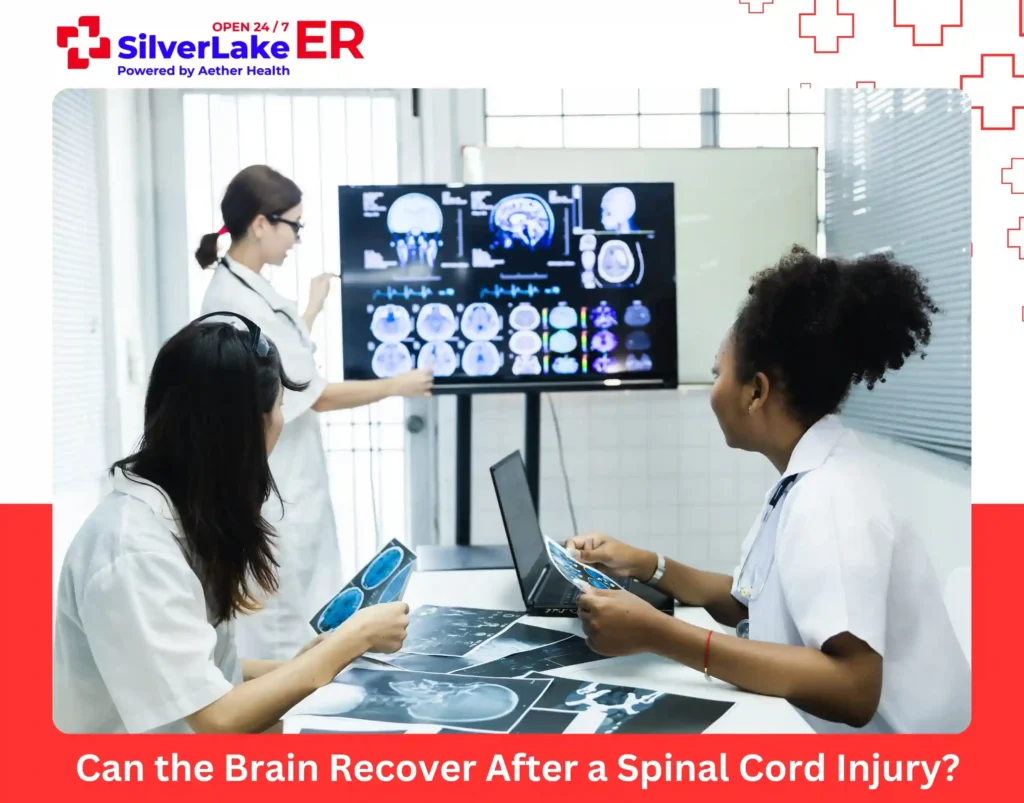
The brain has a strong ability to adapt, but full recovery depends on several factors:
- Severity of the injury.
- Location of damage.
- Rehabilitation efforts.
- Overall health.
With proper therapy, the brain can:
- Strengthen alternative pathways.
- Improve function through training.
- Support partial recovery.
However, recovery is often gradual and may not restore all lost functions.
Role of Rehabilitation in Brain Recovery
Rehabilitation plays a critical role in helping the brain adjust after SCI.
Physical Therapy
Helps retrain the brain and body to work together, even with limited signals.
Occupational Therapy
Focuses on improving daily activities and adapting to new physical abilities.
Neurological Rehabilitation
Targets brain function directly, encouraging neuroplasticity and recovery.
Consistent therapy can help the brain form new connections and improve outcomes over time.
Long-Term Effects on the Brain
Over time, spinal cord injuries can lead to lasting changes in the brain, including:
- Altered brain structure.
- Changes in connectivity.
- Persistent pain processing issues.
However, with ongoing care and rehabilitation, many individuals can adapt and maintain a good quality of life.
When to Seek Medical and Neurological Support
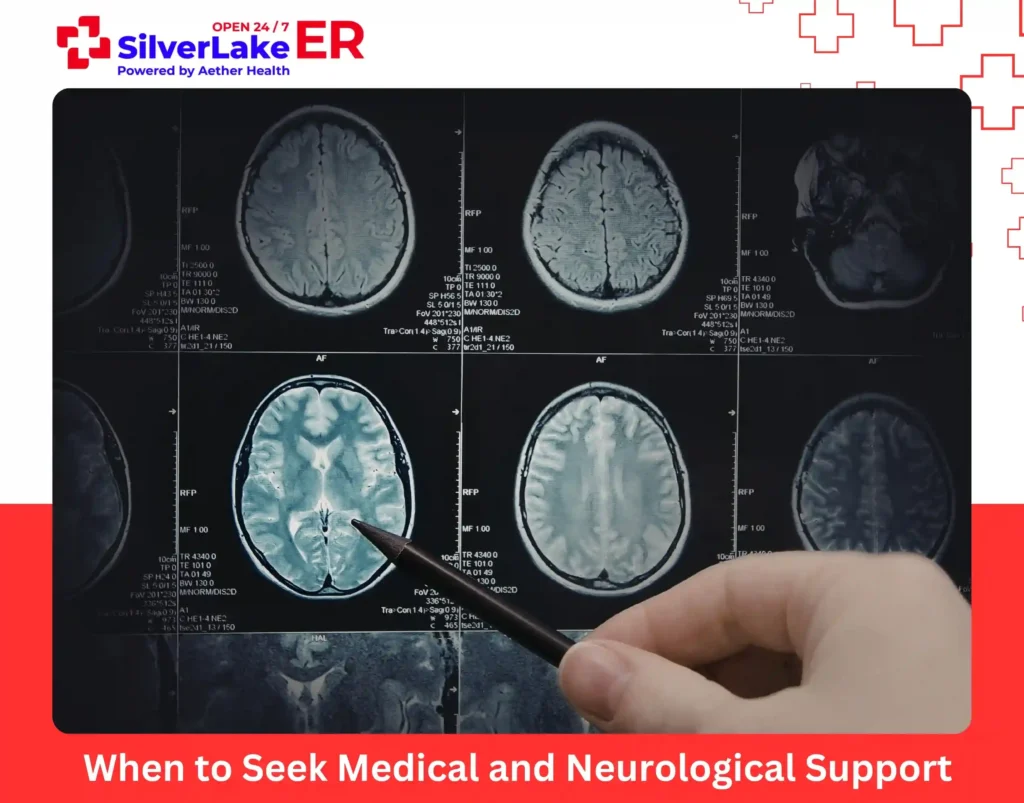
Anyone with a spinal cord injury should receive ongoing medical care or visit the nearest 24/7 emergency room, especially if they experience:
- New or worsening symptoms.
- Changes in mental function.
- Severe emotional distress.
- Persistent pain.
Early and continuous care helps manage both spinal and brain-related effects.
Final Thoughts
So, how does a spinal cord injury affect the brain?
It disrupts the communication between the brain and body, leading to changes in brain structure, function, and activity. These changes can affect movement, sensation, cognition, and emotional well-being.
A spinal cord injury is not just a physical condition, it also reshapes how the brain works, making rehabilitation and long-term care essential for recovery.
FAQs
Does a spinal cord injury affect the brain?
Yes, it can change brain structure, activity, and how it processes signals.
Can the brain recover after a spinal cord injury?
The brain can adapt through neuroplasticity, but recovery varies depending on the injury.
Why does SCI cause chronic pain?
The brain may misinterpret signals, leading to neuropathic pain.
Does SCI affect memory or thinking?
Some people may experience mild cognitive changes after injury.
What helps the brain recover after SCI?
Rehabilitation, therapy, and consistent care support brain adaptation and recovery.