
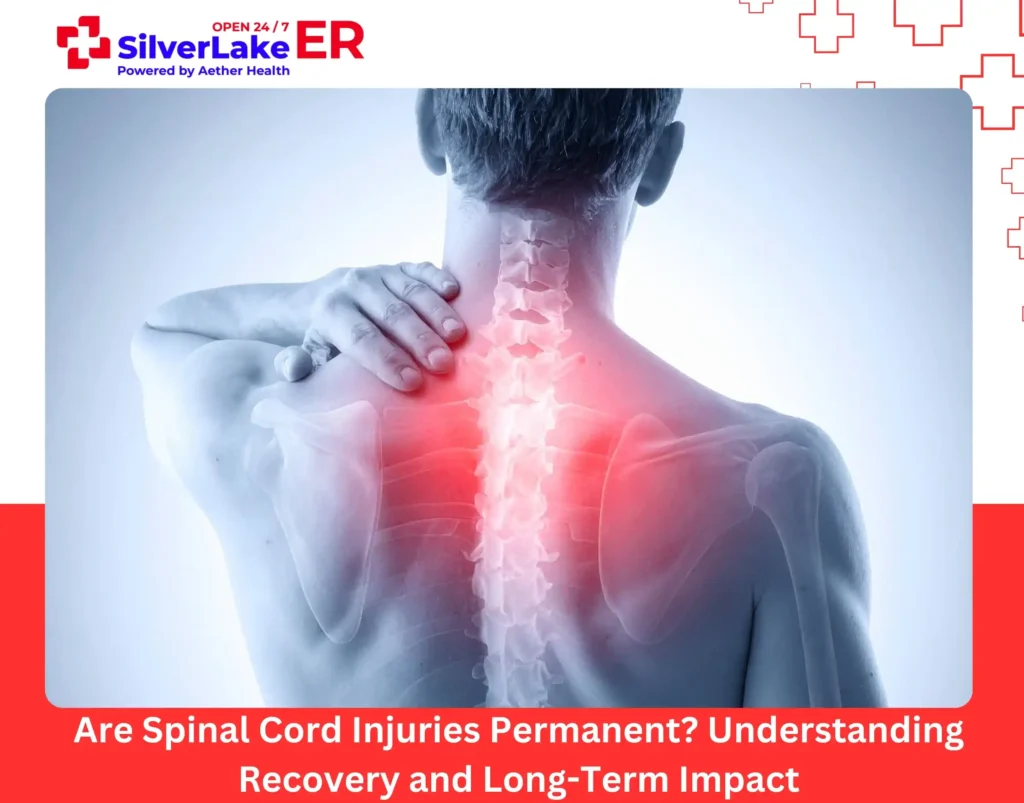
Spinal cord injuries (SCI) are among the most serious and life-altering medical conditions. They can affect movement, sensation, and overall quality of life. A common and important question people ask is: are spinal cord injuries permanent?
The answer is complex. While many spinal cord injuries do result in long-term or permanent damage, some individuals experience partial recovery depending on the severity and type of injury.
Knowing how these injuries occur and what influences recovery is essential for patients and caregivers.
What Is a Spinal Cord Injury?
A spinal cord injury occurs when there is damage to the spinal cord that disrupts communication between the brain and the rest of the body. The spinal cord is a bundle of nerves that carries signals responsible for movement, sensation, and autonomic functions.
According to a recent study, spinal cord injuries most commonly result from traumatic events such as:
- Motor vehicle accidents (leading cause globally).
- Falls, especially in older adults.
- Sports and recreational injuries.
- Violence, including gunshot wounds.
Non-traumatic causes can also lead to spinal cord damage, including tumors, infections, degenerative diseases, and inflammatory conditions.
The level of injury (cervical, thoracic, lumbar) determines which parts of the body are affected. For example:
- Cervical injuries may affect the entire body (quadriplegia).
- Lower spinal injuries may affect only the legs (paraplegia).
If you have any such impact on your back, don’t think twice on opting for spinal injury emergency care for the timely evaluation and treatment.
Are Spinal Cord Injuries Permanent?
In many cases, spinal cord injuries are permanent, particularly when the damage is severe or complete. However, not all injuries result in total and irreversible loss of function.
Recovery depends on several critical factors:
- Severity of injury: Mild injuries have better outcomes.
- Type of injury: Complete vs. incomplete.
- Location: Higher injuries tend to be more severe.
- Time to treatment: Early intervention improves outcomes.
According to the National Institute of Neurological Disorders and Stroke, the spinal cord has limited regenerative ability, meaning damaged nerve cells do not easily repair themselves. However, some patients, especially those with incomplete injuries, may regain partial function over time.
Types of Spinal Cord Injuries
Getting to know the classification of spinal cord injuries is key to predicting recovery.
Complete Spinal Cord Injury
A complete injury affects the brain and nervous system that results in:
- Total loss of sensation below the injury level.
- Complete paralysis below the injury.
- No communication between the brain and affected areas.
These injuries have the lowest likelihood of recovery because nerve pathways are fully disrupted.
Incomplete Spinal Cord Injury
An incomplete injury means:
- Some nerve signals can still pass through.
- Partial movement or sensation remains.
- Recovery potential is significantly higher.
Types of incomplete injuries include:
- Anterior cord syndrome.
- Central cord syndrome.
- Brown-Séquard syndrome.
Each affects the body differently and influences recovery outcomes.
Why Are Spinal Cord Injuries Often Permanent?
Limited Ability to Regenerate
Unlike skin or bone, the spinal cord does not regenerate effectively. Once nerve cells are damaged, they are difficult to replace.
Disruption of Neural Pathways
The spinal cord is responsible for transmitting signals between the brain and body. When these pathways are interrupted:
- Movement signals cannot reach muscles.
- Sensory signals cannot return to the brain.
Secondary Injury Processes
After the initial trauma, additional damage occurs due to:
- Swelling and inflammation.
- Reduced blood flow (ischemia).
- Cellular damage and scar formation.
This secondary phase can worsen the injury significantly within hours to days.
Can Recovery Happen?
Although full recovery is uncommon in severe injuries, meaningful improvement is possible.
Early Recovery Phase
In the first few weeks:
- Swelling decreases.
- Some nerve function may return.
- Initial improvements are often seen.
- Rehabilitation and Therapy.
Rehabilitation is critical and may include:
- Physical therapy to strengthen muscles.
- Occupational therapy to regain daily function.
- Assistive devices such as wheelchairs or braces.
Consistent therapy can help maximize independence.
Neuroplasticity
The nervous system has some ability to adapt. This process, known as neuroplasticity, allows:
- Healthy nerves to take over some functions.
- New neural connections to form.
While not a cure, it can improve function over time.
Emerging Treatments
Research is ongoing into:
- Stem cell therapy.
- Nerve regeneration techniques.
- Advanced rehabilitation technologies.
These may improve outcomes in the future.
Symptoms of a Spinal Cord Injury
Symptoms vary depending on the location and severity of the injury.
Immediate Symptoms:
- Loss of movement (partial or complete paralysis).
- Loss of sensation (touch, pain, temperature).
- Severe back or neck pain.
Delayed Symptoms:
- Muscle weakness or spasms.
- Breathing difficulties (in high-level injuries).
- Loss of bladder or bowel control.
Symptoms may evolve as swelling and inflammation develop.
Long-Term Effects of Spinal Cord Injuries
Spinal cord injuries often lead to chronic complications that require lifelong management.
Physical Complications:
- Chronic pain or nerve pain.
- Muscle stiffness (spasticity).
- Pressure sores due to immobility.
Systemic Effects:
- Respiratory problems.
- Cardiovascular issues.
- Digestive and urinary complications.
Emotional and Psychological Impact:
- Depression and anxiety.
- Reduced independence.
- Lifestyle adjustments.
Long-term care often involves a multidisciplinary approach.
How Treatment Affects Outcomes

Early and effective treatment plays a critical role in preventing further damage.
Emergency Care
Immediate care focuses on:
- Immobilizing the spine.
- Maintaining breathing and circulation.
- Preventing additional injury.
- Surgical Intervention.
Surgery may be required to:
- Remove pressure from the spinal cord.
- Stabilize fractured vertebrae.
- Prevent further damage.
Long-Term Rehabilitation
Rehabilitation improves:
- Mobility and strength.
- Independence in daily activities.
- Overall quality of life.
When Is It an Emergency?
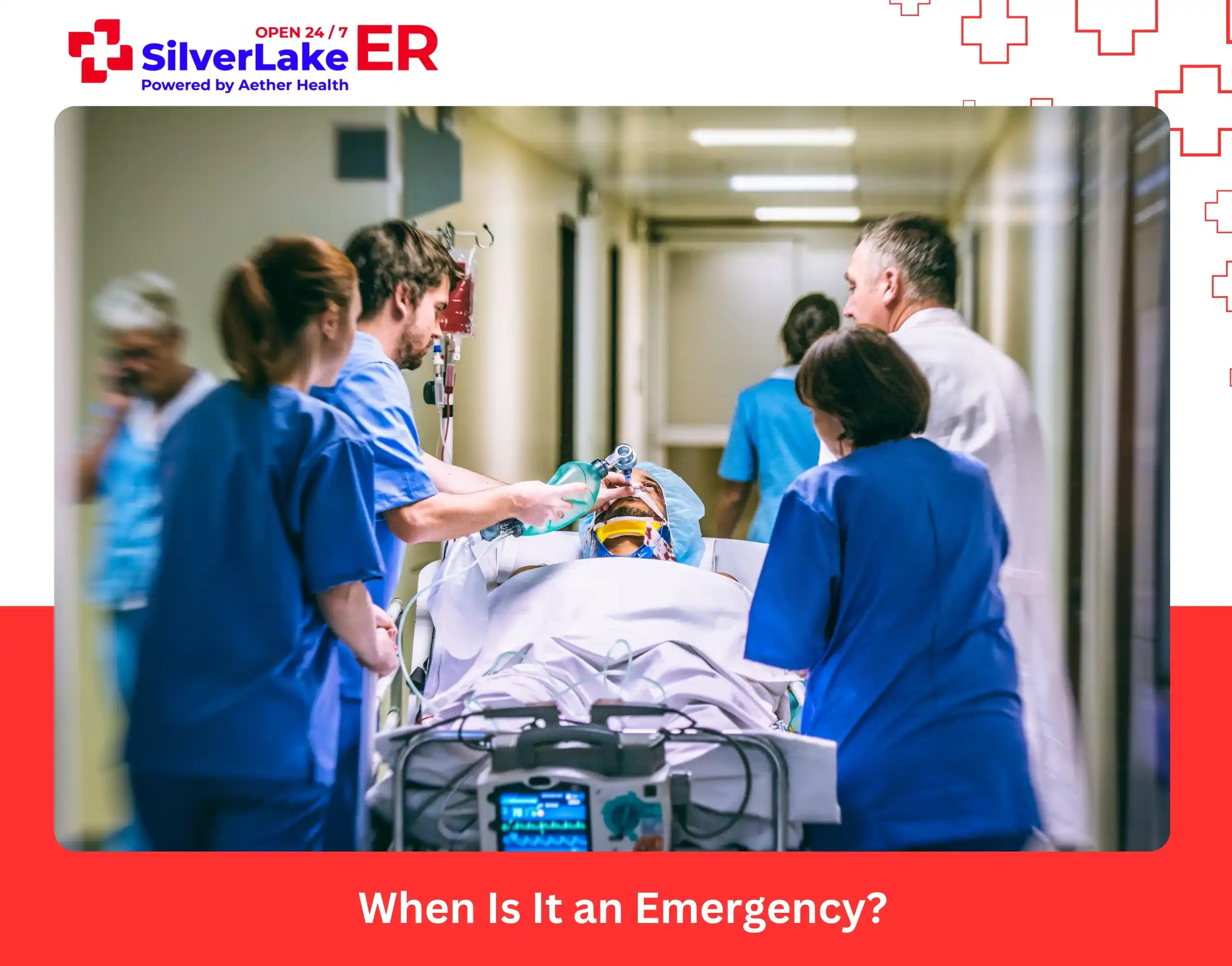
A suspected spinal cord injury requires immediate medical attention.
Seek emergency care or visit the nearest 24/7 emergency room, if someone experiences:
- Severe neck or back pain after trauma.
- Weakness or inability to move limbs.
- Loss of sensation.
- Difficulty breathing.
- Loss of bladder or bowel control.
Do not move the person unless absolutely necessary, as improper movement can worsen the injury.
Key Takeaway
So, are spinal cord injuries permanent? In many cases, Yes! Especially when the injury is severe or complete. However, incomplete injuries may allow for partial recovery with timely treatment and rehabilitation.
While current medical science cannot fully reverse most spinal cord injuries, early intervention, proper care, and ongoing therapy can significantly improve outcomes and quality of life.
Frequently Asked Questions (FAQs)
Can spinal cord injuries heal completely?
Complete healing is rare, but partial recovery is possible in incomplete injuries.
How long does recovery take?
Recovery varies widely and may continue for months or years after the injury.
Can paralysis be reversed?
In some cases, partial movement can return, but complete reversal is uncommon.
What improves recovery chances?
Early treatment, rehabilitation, and overall health play key roles.
Is spinal cord injury always life-threatening?
Not always, but severe injuriesespecially high cervical injuriescan affect breathing and become life-threatening.