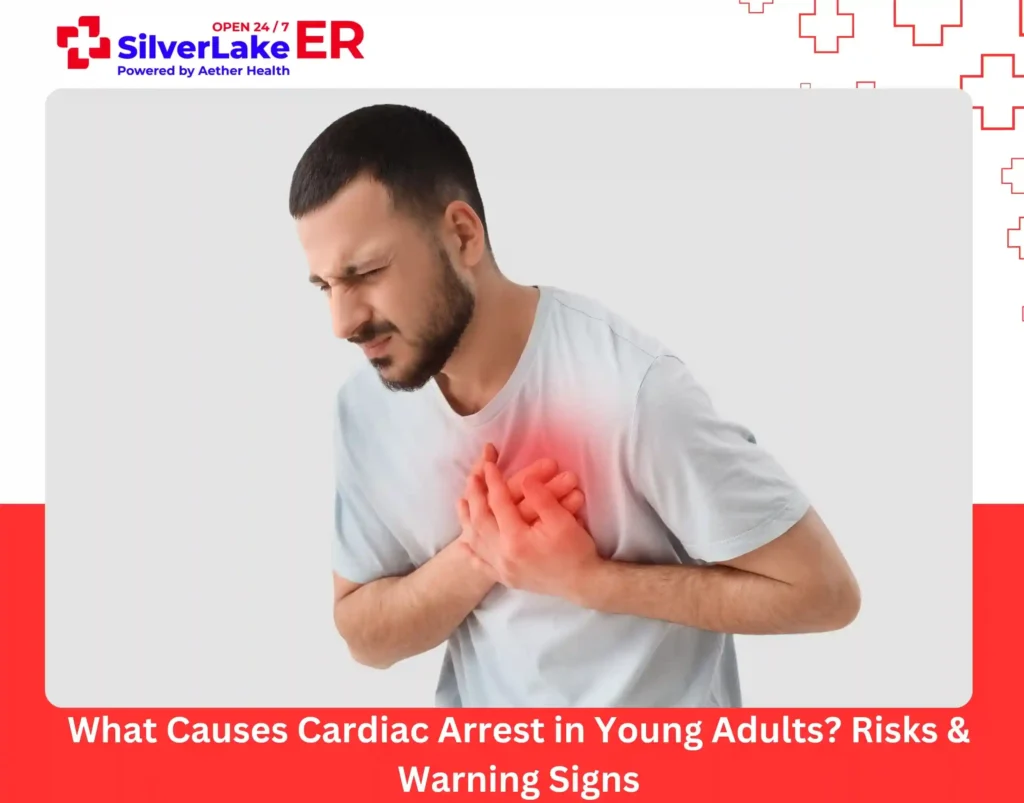
Cardiac arrest is often associated with older adults, but it can also occur in younger individuals, sometimes without warning. This raises an important question: what causes cardiac arrest in young adults?
Unlike heart attacks, cardiac arrest is a sudden loss of heart function caused by an electrical disturbance. In young adults, the causes are often different and may involve genetic, structural, or lifestyle-related factors.
Understanding these causes is essential for early detection, prevention, and potentially saving lives.
What Is Cardiac Arrest?
Cardiac arrest occurs when the heart suddenly stops beating effectively due to an abnormal heart rhythm (arrhythmia). This prevents blood from reaching the brain and other vital organs.
Studies reveal that the sudden cardiac arrest can lead to death within minutes if not treated immediately with CPR and defibrillation. If you or your loved ones have the symptoms indicating a cardiac arrest, don’t think twice on opting for the cardiac arrest emergency care near you.
What Causes Cardiac Arrest in Young Adults?
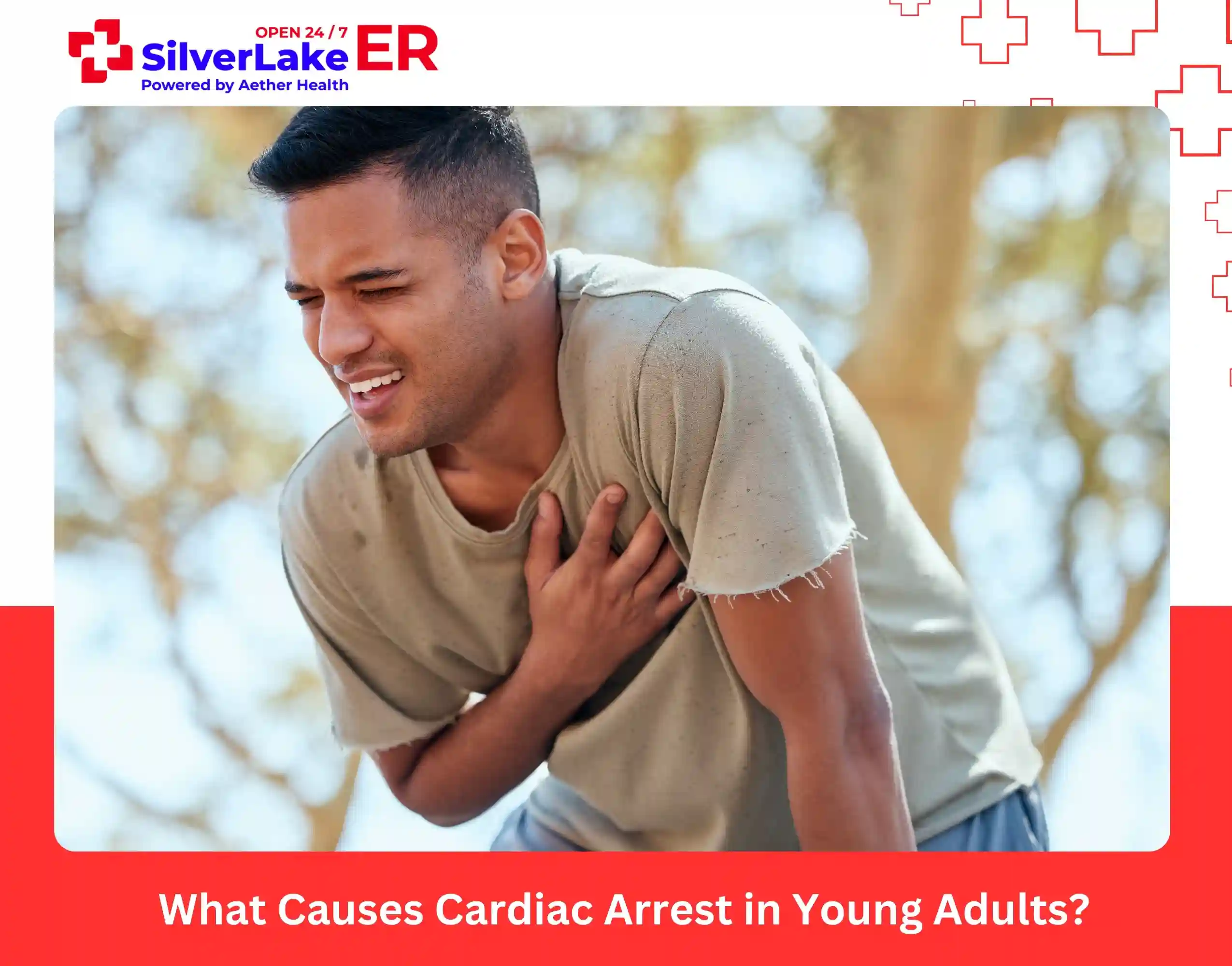
The causes of cardiac arrest in young adults are often linked to underlying heart conditions that may go undiagnosed.
1. Abnormal Heart Rhythms (Arrhythmias)
The most common cause is a dangerous arrhythmia such as ventricular fibrillation.
- Disrupts the heart’s electrical system.
- Prevents effective pumping.
- Can occur suddenly without warning.
These rhythm disturbances are responsible for most sudden cardiac arrest cases.
2. Genetic Heart Conditions
Certain inherited conditions increase the risk of cardiac arrest, including:
- Long QT syndrome,
- Brugada syndrome.
- Hypertrophic cardiomyopathy.
These conditions can affect the heart’s electrical system or structure, sometimes without noticeable symptoms. Inherited heart disorders are a major cause of cardiac arrest in younger populations.
3. Structural Heart Abnormalities
Some individuals are born with abnormalities in the heart’s structure.
- Thickened heart muscle.
- Enlarged heart.
- Congenital heart defects.
These can interfere with normal blood flow and electrical activity, increasing the risk of sudden cardiac arrest.
4. Intense Physical Activity
In rare cases, cardiac arrest can occur during or after intense exercise.
- Often linked to undiagnosed heart conditions.
- Common in athletes with structural or genetic abnormalities.
While exercise is generally safe, underlying issues can make high-intensity activity dangerous.
5. Substance Use
Drugs and stimulants can trigger cardiac arrest by affecting heart rhythm.
Examples include:
- Cocaine.
- Amphetamines.
- Excessive caffeine or energy drinks,
These substances can disrupt electrical signals in the heart and increase risk.
6. Trauma or Blunt Chest Impact
A sudden blow to the chest (commotio cordis) can disrupt the heart’s rhythm.
Often occurs in sports
Can cause immediate cardiac arrest even in healthy individuals
7. Underlying Medical Conditions
Certain health conditions may increase risk, such as:
- Electrolyte imbalances.
- Severe infections.
- Respiratory failure.
These conditions can interfere with the heart’s electrical system.
How Common Is Cardiac Arrest in Young Adults?
While less common than in older adults, cardiac arrest in younger individuals is not rare.
Research indicates that sudden cardiac arrest can occur in individuals under 40, often linked to undiagnosed heart conditions.
Early screening and awareness can significantly reduce risk.
Warning Signs Before Cardiac Arrest
In some cases, warning signs may appear hours or days before an event:
- Fainting or unexplained loss of consciousness.
- Chest pain or discomfort.
- Shortness of breath.
- Palpitations or irregular heartbeat.
- Extreme fatigue.
However, cardiac arrest can also occur suddenly without prior symptoms.
What Happens During Cardiac Arrest?
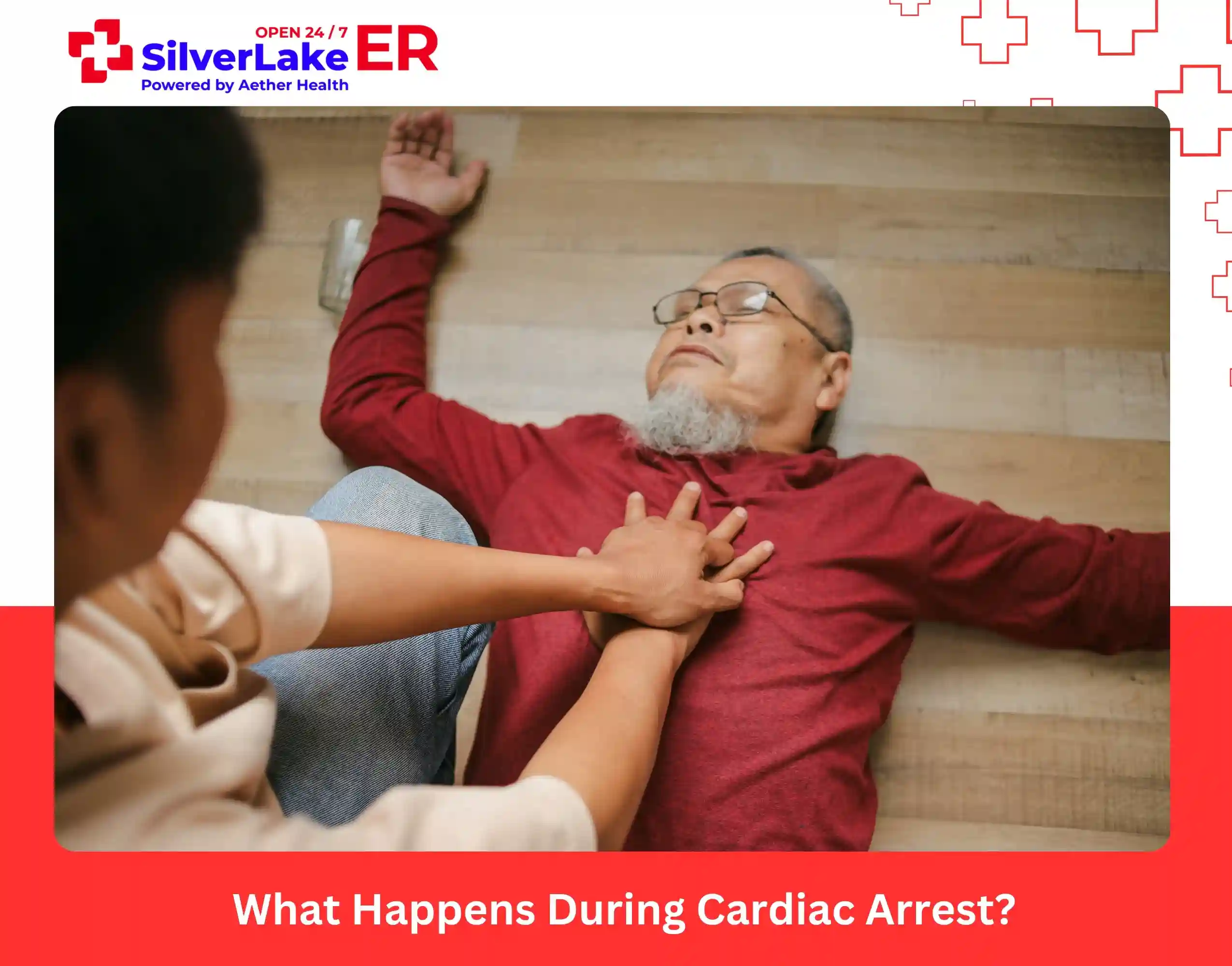
When cardiac arrest occurs:
- The heart stops pumping effectively.
- Blood flow to the brain stops.
- Loss of consciousness occurs within seconds.
- Death can occur within minutes without treatment.
Immediate action is critical for survival.
How to Reduce the Risk
While not all cases are preventable, certain steps can lower risk:
Regular Health Checkups
Screening can detect underlying heart conditions early.
Know Your Family History
Genetic conditions often run in families.
Avoid Substance Abuse
Limit or avoid drugs and excessive stimulants.
Manage Existing Conditions
Control blood pressure, cholesterol, and other health issues.
Pay Attention to Symptoms
Do not ignore fainting, chest pain, or palpitations.
When Is It an Emergency?
Call emergency services immediately or visit the 24/7 nearest emergency room, if someone:
- Collapses suddenly.
- Is unresponsive.
- Is not breathing normally.
As a first step, start CPR and use an AED (automated external defibrillator) if available. Early intervention significantly increases survival chances.
Key Takeaway
So, what causes cardiac arrest in young adults? The most common causes include abnormal heart rhythms, genetic conditions, structural heart issues, and external triggers like substance use or trauma.
Although it can occur without warning, understanding risk factors and recognizing early symptoms can help prevent fatal outcomes. Prompt medical attention and awareness are key to saving lives.
Frequently Asked Questions (FAQs)
Can a healthy young adult have cardiac arrest?
Yes. Even healthy individuals can experience cardiac arrest, often due to undiagnosed genetic or structural heart conditions.
Is cardiac arrest the same as a heart attack?
No. A heart attack is caused by blocked blood flow, while cardiac arrest is caused by an electrical problem in the heart.
What is the most common cause of cardiac arrest in young adults?
Abnormal heart rhythms (arrhythmias) are the leading cause.
Can cardiac arrest be prevented?
Not always, but risk can be reduced through screening, healthy lifestyle choices, and awareness of symptoms.