Blood clots are one of the most underestimated medical threats in the U.S. The CDC estimates that as many as 900,000 Americans are affected by blood clots each year, and roughly 100,000 die from clot-related complications more than breast cancer, AIDS, and motor vehicle crashes combined. The dangerous part? Most of those clots are preventable.
Knowing how to prevent blood clots is one of the most practical things you can do to protect your heart, your lungs, and your long-term health. This guide walks you through who’s at risk, the everyday habits that lower your risk, the situations that require extra caution, and the warning signs that mean you should head to an emergency room immediately. At Aether Health – Silverlake ER in Pearland, TX, our board-certified emergency physicians treat blood clot emergencies around the clock but the goal is to never need that visit in the first place.
1. What a Blood Clot Is (and the Two Types That Matter Most)
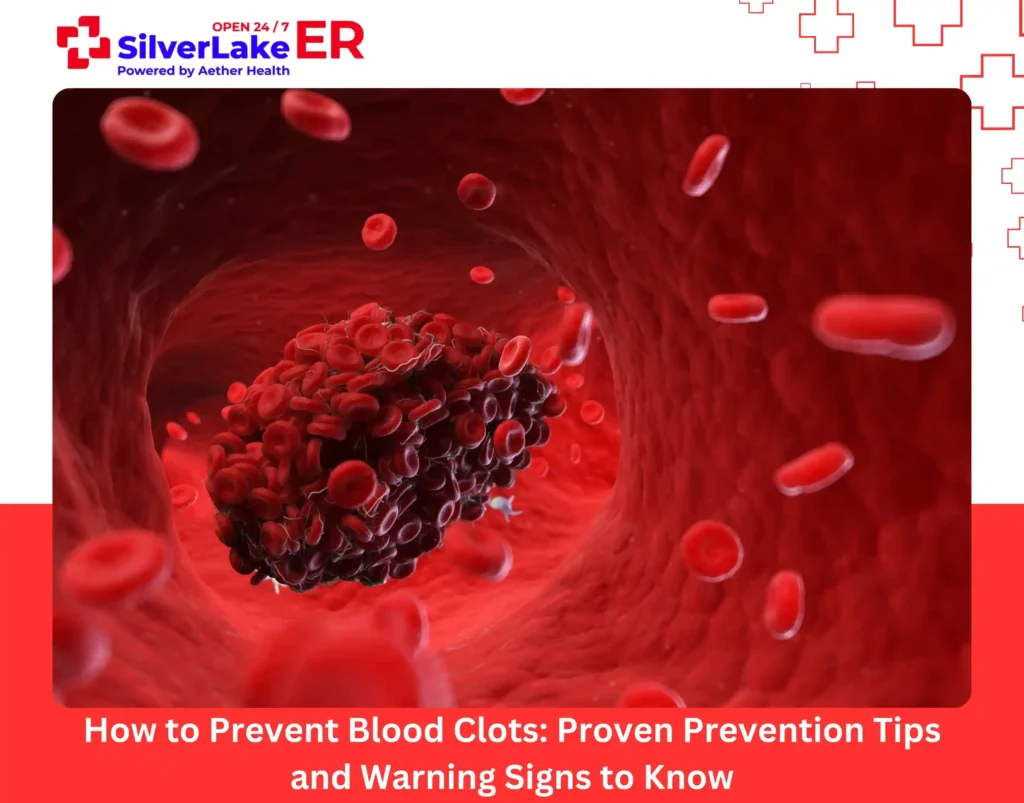
A blood clot is a clump of blood that has changed from a liquid to a gel-like or semi-solid state. Clotting itself is essential; it’s how your body stops bleeding when you get hurt. The problem starts when a clot forms inside a blood vessel where it shouldn’t, and either blocks blood flow on the spot or breaks free and travels somewhere dangerous.
There are two main categories of dangerous clots, and prevention strategies vary between them:
Venous Clots (the Most Common Concern)
These form in the veins, usually in the deep veins of the leg a condition called Deep Vein Thrombosis (DVT). If a piece of that clot breaks loose and travels to the lungs, it becomes a Pulmonary Embolism (PE), which can be fatal within minutes. Venous clots are strongly tied to immobility, surgery, pregnancy, and prolonged sitting.
Arterial Clots
These form in the arteries and are most often the cause of heart attacks and strokes. Arterial clots are usually linked to plaque buildup from coronary artery disease and high cholesterol, so prevention overlaps heavily with general cardiovascular health.
Quick distinction: Venous clots are usually about movement and circulation. Arterial clots are usually about plaque and heart disease. Most of the lifestyle tips that prevent one also help prevent the other.
2. Who Is at Higher Risk for Blood Clots
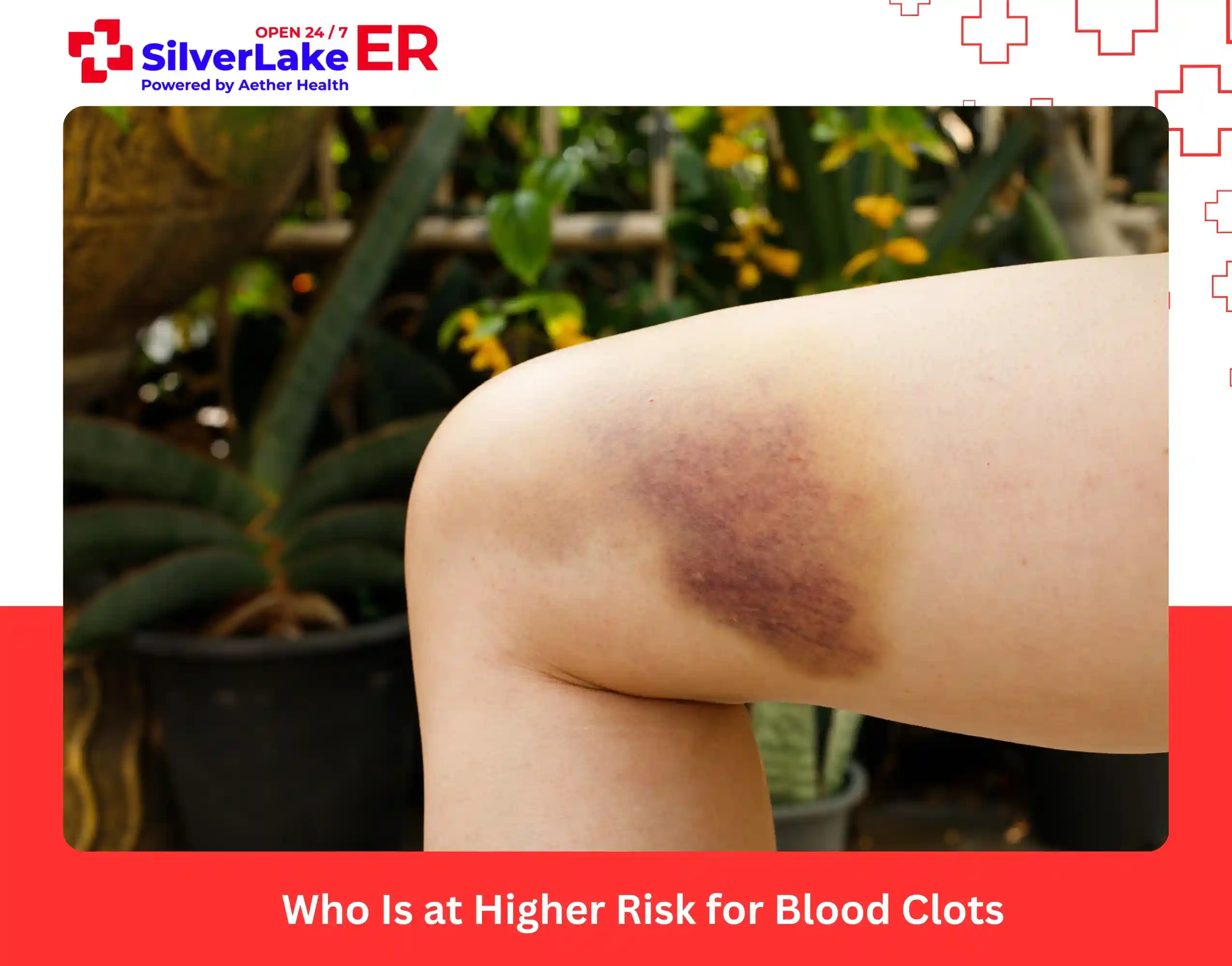
Anyone can develop a blood clot, but some people are far more vulnerable than others. Understanding your personal risk profile helps you decide how aggressive your prevention strategy needs to be.
Risk Factors You Can’t Change
- Age Risk increases significantly after age 60.
- Family or personal history A previous blood clot, or a family history of clotting disorders, raises your risk.
- Inherited clotting disorders Conditions like Factor V Leiden or prothrombin gene mutations make clotting more likely.
- Pregnancy and the postpartum period Hormonal and circulatory changes increase clot risk for up to 12 weeks after delivery.
- Cancer and cancer treatment Certain cancers and chemotherapy regimens significantly elevate clotting risk.
Risk Factors You Can Influence
- Prolonged inactivity Long-haul flights, desk jobs, bed rest, or hospital stays all slow blood flow in the legs.
- Obesity Extra weight places direct pressure on veins, especially in the pelvis and legs.
- Smoking Damages blood vessel linings and makes the blood thicker and stickier.
- Estrogen-containing medications Birth control pills and hormone replacement therapy raise clotting risk, especially when combined with smoking.
- High blood pressure, high cholesterol, and diabetes All three damage blood vessels over time.
- Dehydration Concentrated, slow-moving blood is more prone to clotting.
3. Lifestyle-Based Prevention: What You Control Every Day
For most people, daily habits are the single biggest factor in clot prevention. None of these are dramatic. All of them compound.
Move Consistently
Movement is the most effective natural anti-clotting strategy you have. The leg muscles act as a pump that pushes venous blood back toward the heart. When you sit still, that pump shuts off and blood pools.
- Aim for at least 30 minutes of moderate activity most days of the week.
- If you have a desk job, stand up and move for two to three minutes every hour.
- Simple ankle pumps, calf raises, and leg extensions help keep venous blood moving even when seated.
Stay Well Hydrated
Dehydration thickens the blood and slows circulation. Most adults need roughly half their body weight (in pounds) in ounces of water per day more in hot weather or after exercise. Limit alcohol and excess caffeine, both of which contribute to dehydration.
Maintain a Healthy Weight
Losing even 5–10% of body weight if you’re overweight can significantly reduce clotting risk by easing pressure on veins and improving overall cardiovascular health.
Eat for Vascular Health
A diet that’s good for your heart is good for your veins, too. Focus on:
- Leafy greens, berries, and other antioxidant-rich produce
- Omega-3 sources like salmon, sardines, walnuts, and flaxseed
- Whole grains over refined carbohydrates
- Olive oil instead of saturated fats
Limit processed meats, fried foods, and added sugars all of which contribute to inflammation and vascular damage. If you take prescribed blood thinners, talk to your physician about how vitamin-K-rich foods may interact with your medication.
Stop Smoking
Smoking is one of the most powerful modifiable risk factors for clots. Within weeks of quitting, your circulation improves measurably.
Manage Underlying Conditions
Keep blood pressure, cholesterol, and blood sugar under control with regular checkups, prescribed medication, and lifestyle support. Untreated chronic conditions silently raise clot risk for years before they cause obvious problems.
4. Situational Prevention: High-Risk Windows and What to Do
Certain situations dramatically increase clot risk for a limited time. Knowing what to do during these windows is just as important as your everyday habits.
Long-Distance Travel (Flights Over 4 Hours, Long Drives)
- Stand up and walk the aisle every 1–2 hours on flights.
- On long drives, stop every couple of hours and walk for a few minutes.
- Do calf pumps and ankle circles while seated.
- Drink water throughout the trip and avoid alcohol.
- Wear graduated compression socks if you have any history of clots or significant risk factors.
After Surgery
Post-surgical patients are among the highest-risk groups for DVT and PE. Follow your surgeon’s mobility plan carefully. This typically includes:
- Getting up and walking as soon as your surgical team clears you
- Wearing prescribed compression devices or stockings
- Taking any prescribed blood thinners exactly as directed
- Doing in-bed leg exercises while recovering
Pregnancy and Postpartum
Pregnancy increases clotting factors as a protective measure against childbirth bleeding, but this also elevates clot risk. Stay active throughout pregnancy as your OB approves, stay hydrated, and watch closely for leg swelling that’s one-sided or painful that’s a red flag worth a same-day medical evaluation.
Illness, Injury, or Hospitalization
Being bedridden for any length of time whether from the flu, a broken leg, or an inpatient stay raises clot risk substantially. Move whatever can safely move, do ankle pumps, and follow your medical team’s prevention protocol.
Hormonal Medications
If you’re on birth control pills or hormone replacement therapy and you have other risk factors (smoking, family history, obesity, migraine with aura), talk to your provider about alternative options. The risk is small but real, and it stacks with other factors.
5. Medical Prevention: When Lifestyle Isn’t Enough
For people with high clotting risk a previous DVT, an inherited disorder, recent major surgery, or active cancer lifestyle changes alone aren’t sufficient. A physician may recommend:
- Anticoagulant medications (blood thinners) Drugs like warfarin, apixaban, rivaroxaban, or heparin slow the clotting process. These require regular monitoring and physician oversight.
- Compression therapy Graduated compression stockings or pneumatic compression devices keep venous blood moving.
- Aspirin therapy In specific cases, low-dose aspirin may be recommended to reduce arterial clotting. This is a physician’s decision not something to start on your own.
- Treatment of underlying conditions Aggressive management of atrial fibrillation, heart disease, or autoimmune conditions that elevate clot risk.
Never start, stop, or adjust a blood thinner without talking to your doctor. The margin between protective and dangerous doses can be narrow.
6. Early Warning Signs You Should Never Ignore
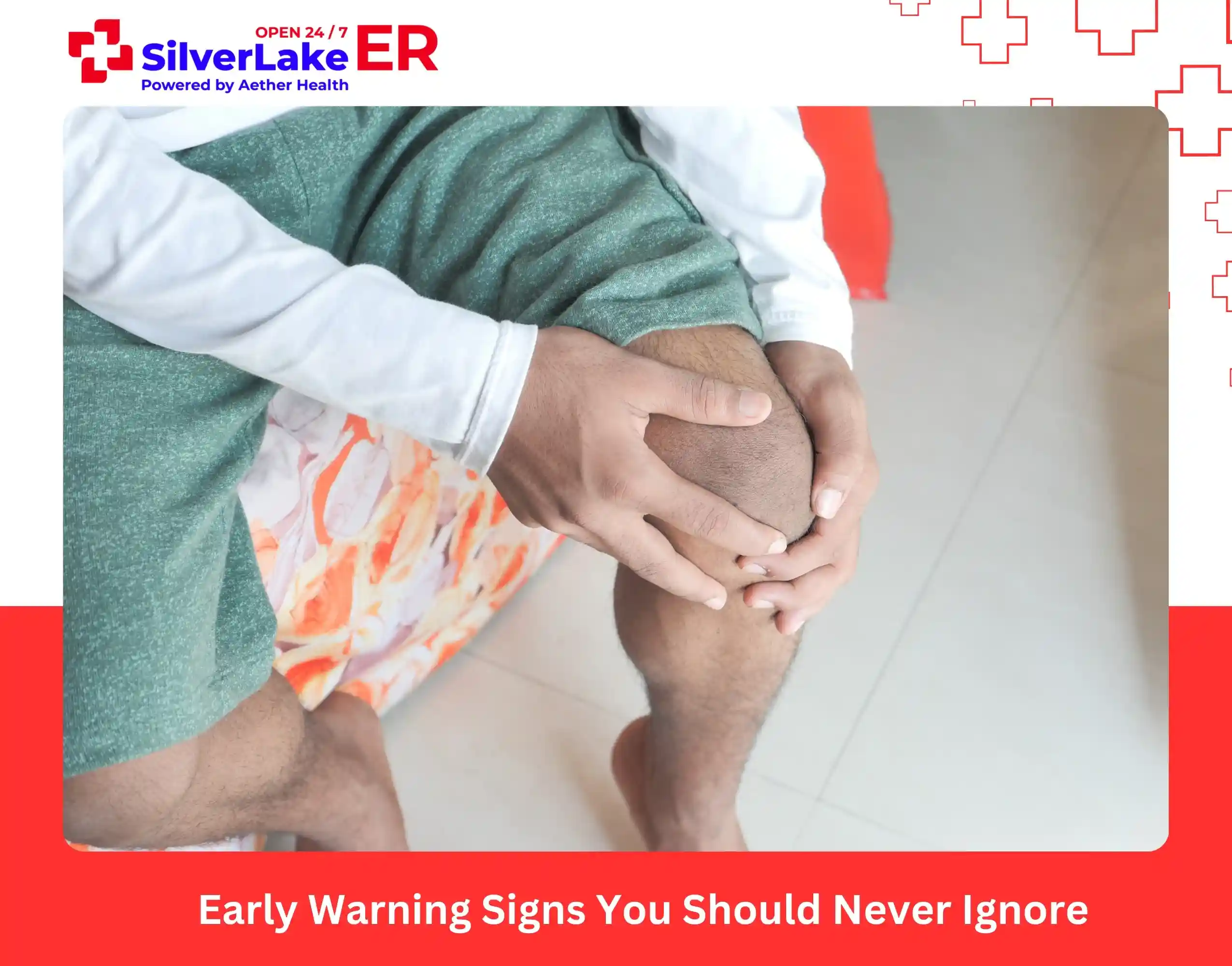
Even with strong prevention, clots can still form. Recognizing the warning signs early can be the difference between a manageable medical issue and a life-threatening emergency.
Signs of a Deep Vein Thrombosis (DVT)
- Swelling in one leg (rarely both)
- Pain, tenderness, or cramping in the calf or thigh
- Skin that feels warm to the touch over the affected area
- Reddish or bluish discoloration of the skin
Signs of a Pulmonary Embolism (PE) Call 911 Immediately
- Sudden shortness of breath
- Sharp chest pain that worsens with deep breathing
- Coughing up blood
- Rapid heartbeat or palpitations
- Lightheadedness or fainting
Signs of an Arterial Clot (Heart Attack or Stroke)
- Chest pain or pressure radiating to the arm, jaw, or back
- Sudden weakness or numbness on one side of the body
- Slurred speech or sudden confusion
- Sudden severe headache
- Vision changes in one or both eyes
If you experience any of these warning signs, do not wait. Call 911 or get to an ER immediately. At Aether Health – Silverlake ER, you’ll be seen by a board-certified emergency physician right away no waiting room delays.
7. When to Seek Emergency Care at Aether Health – Silverlake ER
Blood clots are a true emergency. The longer a clot is left untreated, the higher the risk of permanent tissue damage, organ failure, or death. As a full-service freestanding ER in Pearland, TX, Aether Health – Silverlake ER is equipped to diagnose and stabilize clot-related emergencies 24/7.
Our capabilities include:
- On-site diagnostic imaging, including CT scans and ultrasound
- Full laboratory services for rapid blood testing and D-dimer analysis
- Anticoagulant therapy and emergency stabilization
- Continuous cardiac and oxygen monitoring
- Board-certified emergency physicians on duty around the clock
- Direct hospital transfer coordination when admission is needed
And because we believe medical emergencies shouldn’t come with billing ambushes, Aether Health – Silverlake ER operates on a no balance billing policy for insured patients.
Frequently Asked Questions
Can blood clots dissolve on their own?
Small clots sometimes break down naturally as part of the body’s clot-clearing process. However, you can’t tell from symptoms alone whether a clot is small enough to resolve safely. Any suspected clot needs medical evaluation what looks minor can quickly become dangerous.
Does drinking water actually prevent blood clots?
Hydration alone isn’t a cure-all, but staying well hydrated keeps blood flowing more easily and is one of the simplest prevention measures, especially during travel, illness, or recovery from surgery.
Are blood clots hereditary?
Some clotting disorders are inherited, including Factor V Leiden and prothrombin gene mutations. If a parent or sibling has had unexplained blood clots, talk to your doctor about screening especially before surgery, pregnancy, or starting hormonal medications.
How quickly do I need to act if I think I have a blood clot?
Immediately. DVTs and pulmonary embolisms can progress within hours. If you suspect a clot particularly if you have leg swelling combined with chest pain, shortness of breath, or coughing up blood go to an emergency room right away.
Where is Aether Health – Silverlake ER located?
We’re located at 2752 Sunrise Blvd, Pearland, TX 77584, open 24 hours a day, 7 days a week. Call (713) 528-8703 or walk in anytime.
Worried About a Blood Clot? Get Seen Immediately in Pearland, TX
If you have leg swelling, sudden shortness of breath, chest pain, or any other warning sign of a blood clot, don’t wait it out. Walk into Aether Health – Silverlake ER and you’ll be evaluated by a board-certified emergency physician immediately, no appointment needed, no long waits.
📞 Call: (713) 528-8703
📍 Visit: 2752 Sunrise Blvd, Pearland, TX 77584
🌐 Online: sler247.com
🕒 Hours: Open 24/7, 365 days a year
Medical Disclaimer
This article is for general educational purposes only and is not a substitute for professional medical advice, diagnosis, or treatment. Never change or stop a prescribed medication without speaking to your physician. If you or someone near you is experiencing a medical emergency, call 911 immediately or go to your nearest emergency room.